AI's Blind Spot: Are Tech Leaders Out of Touch with Humanity?
Silicon Valley leaders like Marissa Mayer, Sam Altman, and Mark Zuckerberg are facing criticism for promoting AI's role in personal lives, from child-rearing to social connections. This trend, highlighted by Mayer's use of an AI app for her daughter's description, sparks public debate on AI's impact on meaningful human relationships and the perceived disconnect of tech elites.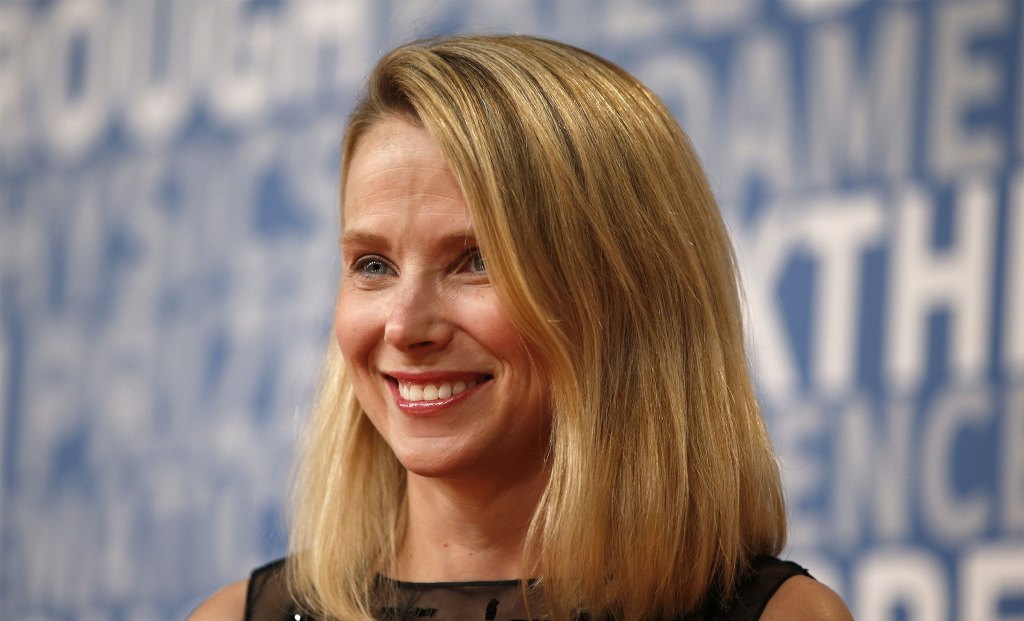
A growing trend among prominent Silicon Valley leaders to leverage artificial intelligence for deeply personal and social tasks, including child-rearing and relationship management, is sparking significant public backlash and raising fundamental questions about the future of human connection. Critics argue that these proposals demonstrate a profound disconnect between the tech elite and the broader human experience, particularly concerning emotional intelligence and the complexities of personal relationships.
Former Yahoo CEO and early Google engineer Marissa Mayer has become a central figure in this debate. During an interview about her new AI app, Dazzle, which learns from a user's camera roll, Mayer recounted using the tool to generate three bullet points about her 10-year-old daughter for a school presentation. Describing her child as “empathetic, creative, and an animal lover,” this anecdote was met with swift condemnation, with progressive activist Leah Greenberg noting that Mayer's willingness to disclose this "deeply diverge[s] the culture of Silicon Valley from the rest of humanity.” Mayer later defended her actions in a lengthy X post, clarifying that she was testing the prototype's ability to resurface forgotten kindergarten projects—like a "snake devenomer" or "sandcat playground"—which indeed illustrated her daughter's creativity and care for animals. However, Mayer also suggested broader applications for Dazzle, such as outsourcing the mental load of "figuring out the theme for your child’s birthday party," planning playdates, booking family vacation activities, deciding on Halloween costumes, and even coordinating plans with her husband's AI assistant. When confronted with the notion of a "frictionless future…planned by AI," Mayer admitted, "I haven’t really thought that through."
Mayer is not alone in facing scrutiny for such views. Last year, OpenAI CEO Sam Altman generated similar controversy when he publicly stated, "I cannot imagine…figuring out how to raise a newborn without ChatGPT." This comment, too, was met with public disapproval. Undeterred, Altman later proposed on X that a "cool use case" for ChatGPT Work would be creating podcasts about children's upcoming birthdays or soccer games to "explain your kids’ interests," prompting a wave of critical responses questioning why parents wouldn't simply engage directly with their children.
The public's discomfort is supported by broader sentiment. A Pew Research Center study revealed that 50% of U.S. adults believe AI will diminish people's capacity to form meaningful relationships, with a mere 5% expecting AI to facilitate such connections. This stark contrast highlights the growing chasm between the optimistic, AI-centric visions of some tech leaders and widespread public apprehension.
Meta CEO Mark Zuckerberg also aligns with his Silicon Valley counterparts in envisioning a future where AI addresses human social needs. Citing statistics that suggest the average American has fewer than three close friends but desires significantly more, Zuckerberg posited that AI could help bridge this gap. He predicted an increasing social acceptance of outsourcing emotional needs to AI therapists or even AI romantic partners. While acknowledging the value of physical connections, Zuckerberg emphasized that "people…feel more alone a lot of the time than they would like," suggesting that virtual-reality embodiments of AI avatars, which Meta is actively developing, could serve as substitutes for human interaction.
This approach appears to stem from a prevailing culture within the tech industry that excessively prioritizes efficiency. From biohacking bodies to optimize productivity to designing electric vehicles, efficiency is often the ultimate goal. However, applying this product-centric, efficiency-driven mindset to the inherently messy and unpredictable realm of human relationships is problematic. Unlike technological products, human connections are not something to be "shipped with as little capital as possible." They are defined by their complexities, vulnerabilities, and the difficult yet profoundly fulfilling experiences they offer. When these interactions are delegated to artificial intelligence, humanity risks surrendering the very essence of what makes being human meaningful.