Google & OpenAI Employees Back Anthropic's Pentagon Stance in Fiery Open Letter
Anthropic is in a tense standoff with the U.S. Department of War over the military's demand for unrestricted access to its AI technology, specifically opposing its use for mass surveillance and autonomous weaponry. This principled stand has garnered significant support from employees at Google and OpenAI, who urge their companies to unite with Anthropic against the Pentagon's demands and threats.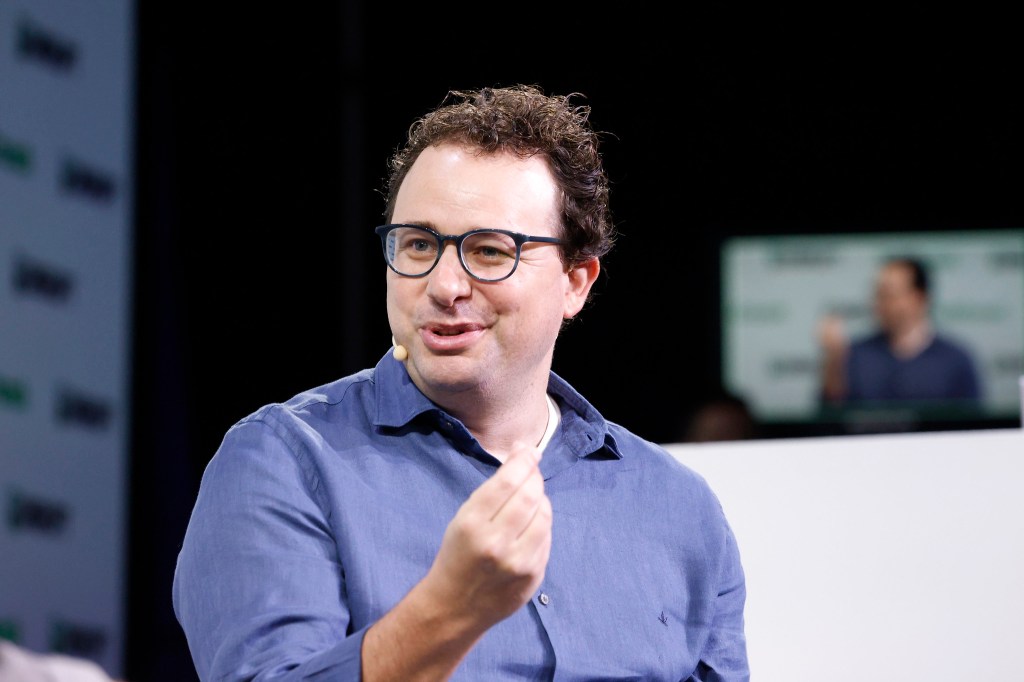
Anthropic, a leading artificial intelligence company, is locked in a tense standoff with the United States Department of Defense (Pentagon) over demands for unrestricted access to its advanced AI systems.
At the center of the dispute is Anthropic’s refusal to allow its technology to be used for domestic mass surveillance or fully autonomous weapons.
The situation escalated as the Pentagon issued a strict deadline, warning of serious consequences if the company failed to comply.
In response, Anthropic CEO Dario Amodei firmly rejected the demands, stating the company could not “in good conscience accede” to requests that violated its ethical boundaries.
He also highlighted the contradiction in the Pentagon’s threats, which simultaneously labeled Anthropic a security risk while claiming its AI was essential to national security.
The confrontation has drawn strong support from across the tech industry.
More than 300 Google employees and over 60 OpenAI staff signed an open letter urging their companies to stand with Anthropic and resist the Pentagon’s pressure.
The letter warned that dividing tech firms would weaken collective resistance and called on leadership to uphold ethical red lines against mass surveillance and autonomous weapons.
OpenAI CEO Sam Altman publicly expressed concern, stating the Pentagon should not be threatening companies with the Defense Production Act.

Google DeepMind’s Chief Scientist Jeff Dean also criticized mass surveillance, warning it could violate civil liberties and be misused for political or discriminatory purposes.
These responses signal growing concern within the tech sector over the military’s expanding interest in AI capabilities.
The Pentagon has threatened to designate Anthropic as a “supply chain risk” or invoke the Defense Production Act to compel cooperation, underscoring the high stakes of the dispute.
The military already uses AI tools such as Grok, Gemini, and ChatGPT for unclassified tasks and is seeking broader integration, including classified operations.
Despite maintaining an existing partnership with the Pentagon, Anthropic remains firm in its refusal to support applications involving domestic surveillance or fully autonomous weaponry.
The standoff highlights a critical moment in the evolution of AI governance, raising urgent questions about ethics, national security, and the balance between technological advancement and civil liberties.