AI Ethics Showdown: Pentagon Clashes with Anthropic on Autonomous Warfare
A significant dispute has erupted between the Pentagon and artificial intelligence company Anthropic, centered on the ethical use of AI in advanced military applications, including fully autonomous weapons and President Donald Trump's future Golden Dome missile defense program. U.S. Defense Undersecretary Emil Michael, the Pentagon’s chief technology officer, has characterized Anthropic’s ethical restrictions on its chatbot Claude as an “irrational obstacle” to the U.S. military's ambition to increase the autonomy of armed drones, underwater vehicles, and other machines to stay competitive with rivals like China.
Michael, speaking on the “All-In” podcast, stressed the military's need for a reliable and steady partner in developing autonomous technologies without a partner that would “wig out in the middle.” This public statement followed the Pentagon’s formal designation of San Francisco-based Anthropic as a supply chain risk, effectively halting its defense work. This designation, based on rules designed to prevent foreign adversaries from compromising national security systems, has prompted Anthropic to vow legal action. Additionally, Trump has ordered federal agencies to cease using Claude immediately, although the Pentagon has been granted a six-month grace period due to the technology’s deep integration into classified military systems, including those used in the Iran war.
Anthropic, for its part, has maintained that its ethical restrictions are narrow and specifically target only two high-level uses: mass surveillance of Americans and fully autonomous weapons. Michael recounted his months-long negotiations with Anthropic CEO Dario Amodei on the podcast, revealing the intensity of the debate. While Michael publicly criticized Amodei on social media, accusing him of a “God-complex” and attempting to personally control the military, he framed the podcast discussion as part of a broader, necessary military shift towards AI integration.
Michael elaborated on the military’s ongoing development of procedures for implementing varying levels of autonomy in warfare based on risk assessments. He cited hypothetical scenarios debated with Anthropic, such as the need for AI in the Golden Dome program to respond to a Chinese hypersonic missile within 90 seconds, where human operators might struggle with discrimination. In such a space-based counterattack, an autonomous system would pose low risk. Another example involved autonomous lasers defending military bases from drones while soldiers sleep.
In response, Anthropic reiterated an earlier statement by Amodei, affirming that “Anthropic understands that the Department of War, not private companies, makes military decisions. We have never raised objections to particular military operations nor attempted to limit use of our technology in an ad hoc manner.”
Michael, who was sworn in last May and assumed responsibility for the military's “AI portfolio” in August, began scrutinizing Anthropic's contracts, some of which predated the Biden administration. He found their terms of use excessively restrictive relative to the military's mission. Initial negotiations involved the Pentagon presenting scenarios, to which Anthropic offered exceptions for specific cases like hypersonic missile defense or drone swarms. However, Michael deemed this approach impractical, stating, “exceptions doesn’t work. I can’t predict for the next 20 years what (are) all the things we might use AI for.”
This led to the Pentagon insisting that Anthropic and other AI companies agree to “all lawful use” of their technology. Anthropic resisted this crucial change, arguing that current leading AI systems “are simply not reliable enough to power fully autonomous weapons.” In contrast, competitors like Google, OpenAI, and Elon Musk’s xAI reportedly agreed to the Pentagon’s terms, though some still require infrastructure preparation for classified military work. Anthropic’s other key objection was against allowing any mass surveillance of Americans through its AI system, which Michael described as “interminable” negotiations. Anthropic has disputed aspects of Michael’s account, emphasizing the narrow scope of its proposed protections. The ongoing dispute is now expected to proceed to court.
You may also like...
Nuggets Stunned: Jamal Murray Suffers Ankle Injury, Awaiting Test Results!
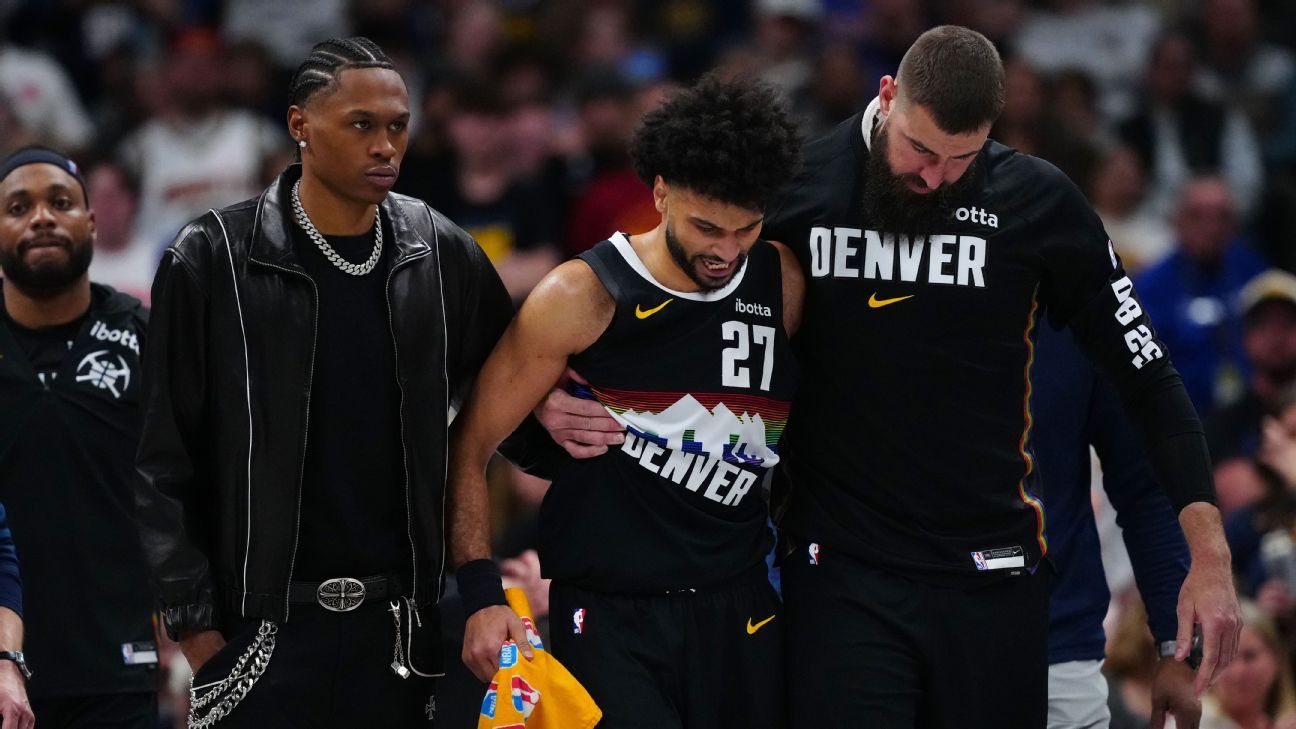
Denver Nuggets All-Star guard Jamal Murray sustained a left ankle injury during Friday's loss to the New York Knicks, le...
Celtics Star Vucevic Suffers Broken Finger, Faces Month-Long Sideline!

Celtics center Nikola Vucevic fractured his right ring finger during Friday's win over the Mavericks and is expected to ...
Pixar Shocks Fans with 'Monsters Inc. 3' Announcement and New Originals

Pixar is developing a third "Monsters Inc." movie, revealed by the Wall Street Journal, marking the franchise's return a...
Major African Fashion Festival Gets Official Endorsement for 2026 Event

The Federal Government of Nigeria has formally endorsed the Meet Africa Fashion Festival (MAFEST) 2026, pledging institu...
Ugandan Heroine Regina Kamoga Shines with Global Award for Antimicrobial Fight

Ugandan health advocate Regina Mariam Namata Kamoga was recognized as a Global Female Trailblazer for her work against A...
Milla Jovovich Ventures Beyond 'Resident Evil' Into New Uncharted Territory!
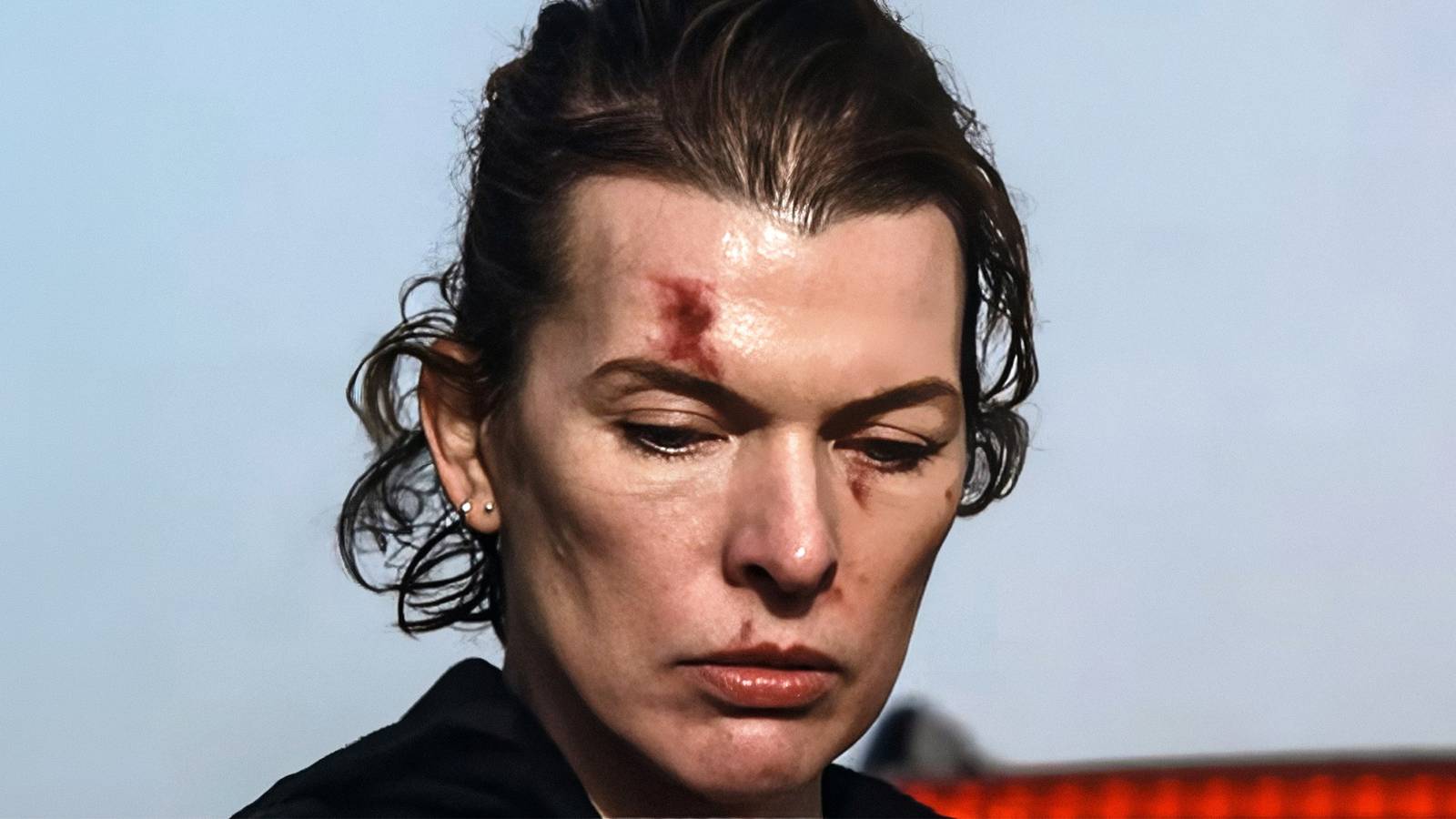
Milla Jovovich stars in "Protector," a deeply personal action film where she plays a mother on a relentless quest to sav...
TV Maestro Bill Lawrence Unveils Expansive Vision for Hit Show Universe!

The new HBO Max comedy "Rooster," from creators Bill Lawrence and Matt Tarses, delves into the complexities of a father-...
AI Ethics Showdown: Pentagon Clashes with Anthropic on Autonomous Warfare
The Pentagon and AI company Anthropic are embroiled in a high-stakes dispute over the ethical use of artificial intellig...