AI Animation: How It Dominated Storytelling in 2025
In 2025, AI animation became the go-to tool for viral storytelling. From TikTok trends to everyday mini-videos, AI transformed the way people share stories online — fast, relatable, and surprisingly human.
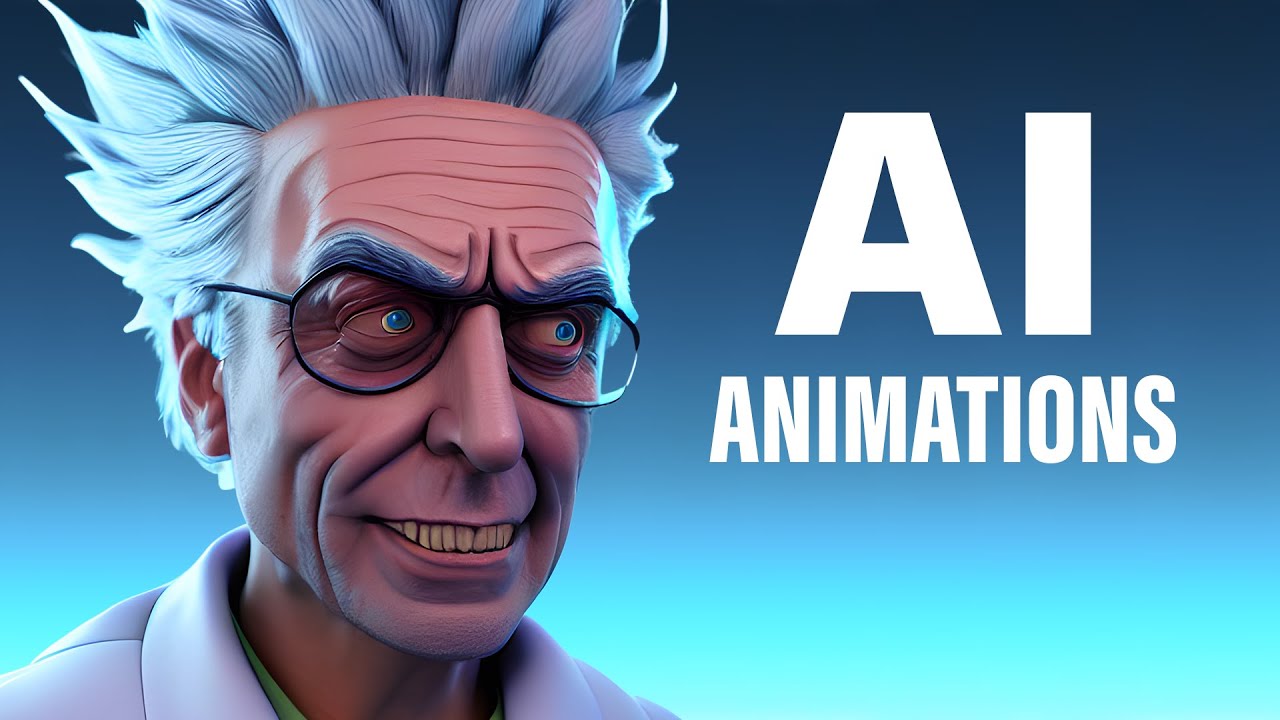
If you’ve spent any time scrolling through TikTok, Instagram, or YouTube this year, you might have noticed a trend that’s impossible to ignore: AI-generated animations have taken over. In 2025, they’re everywhere, from short storytelling videos to viral meme recreations and mini-series created by everyday users.
What makes this year different is not just the rise of AI animation as a tool, but how relatable and accessible it has become. People who once had no idea how to animate or edit videos can now tell stories, share jokes, or create personal narratives in ways that feel immediate and surprisingly professional.
Just a few years ago, AI in creative spaces was mostly experimental. You’d see an AI-generated image online or a fun artistic filter, but nothing that really told a story from start to finish. Now, AI is not just generating pictures, it is building narratives, creating sequences of images, animating them, and turning them into short videos that people actually relate to.
Whether it’s a 15-second TikTok about a bad date, a meme come to life, or a mini-documentary of a family’s weekend, AI animation has moved beyond novelty. It has become a storytelling sidekick that millions of creators rely on to make content that resonates.
These videos aren’t the product of big studios or expensive software; they’re created by regular people, using AI tools that are simple enough for anyone to use. Platforms likeRunway orKaiber make it possible to type a prompt, generate a sequence, and have a mini-video ready in minutes.
The accessibility of AI animation is a major reason why this trend exploded in 2025. What used to require days, if not weeks, of work by professional animators can now be done on a laptop or even a smartphone. Suddenly, storytelling is democratized, anyone can share their imagination, their humor, or even their personal experiences in animated form.
And this isn’t limited to comedic content. Some creators are producing emotional stories, tiny slices of life, or reflections on universal experiences. AI helps bring ideas to life that previously might have stayed as thoughts in someone’s head, especially for people who don’t have formal art or animation training.
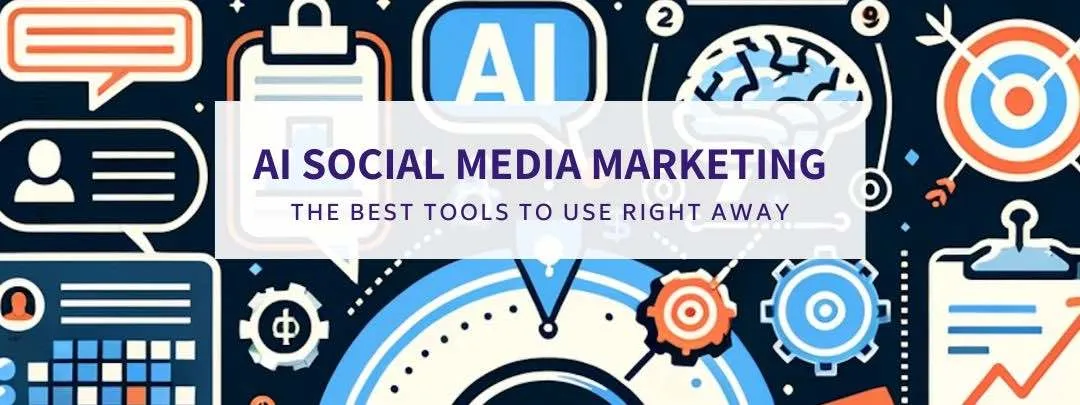
Most social media marketers are now using AI tools daily, with 82 % of them incorporating AI into their workflows. Many of these videos are designed to connect with audiences on a personal level, depicting everyday scenarios like commuting woes, dating fails, family life, or even awkward work situations, all animated with AI.
Another thing that has made AI animation relatable this year is its sheer variety. Some creators use hyper-realistic AI models to generate characters and scenes that could pass for professional CGI. Others use stylized, painterly effects that give videos a whimsical, storybook quality. This versatility allows creators to choose the style that matches their story, whether it’s comedic, dramatic, or fantastical. In doing so, AI has expanded the possibilities for storytelling online, letting people experiment boldly with tone, genre, and aesthetic, without needing advanced technical skills.
It’s not just social media creators who are embracing AI storytelling. Even YouTube personalities and brands have caught on. Short AI-generated narratives are being used in everything from viral social campaigns to mini-series, demonstrating how engaging content can be created quickly, inexpensively, and with a highly relatable angle.
The real magic of 2025 is that AI animation feels human. Despite being created by machines, these videos capture the small moments, emotions, and humor that make them feel authentic. Someone watching an AI animation of a character spilling coffee on their way to work might laugh because they’ve been there, not because the AI is clever.
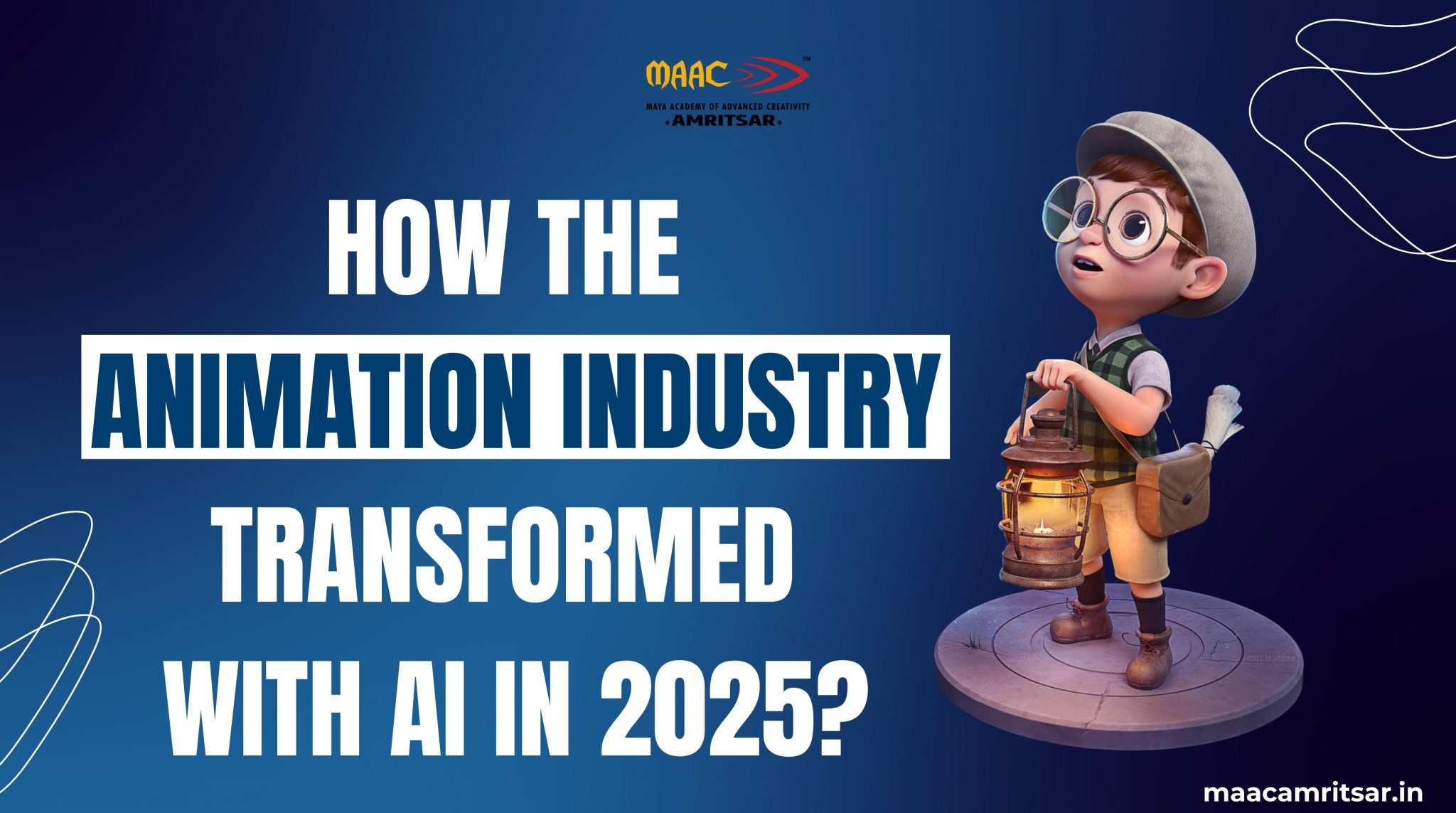
This relatability is what makes AI animation different from traditional animation, it’s not about high-budget spectacle, it’s about seeing yourself, your life, and your experiences reflected in a story, even if it’s only 20 seconds long.
As AI animation continues to grow, creators are pushing the boundaries further. Mini-series, fan art brought to life, and even recreations of viral memes now exist as animated sequences. The tools have become easier to use and more powerful, allowing sequences of images to animate naturally with music, voiceovers, and effects.
By integrating all these elements, AI animation in 2025 isn’t just a passing trend, it’s become a major part of how people communicate stories online, blending humor, emotion, and creativity in a format that anyone can enjoy and share.
Of course, this surge of AI-generated storytelling hasn’t been without discussions about copyright and creative ownership, but for the everyday creator, the focus is usually on the joy of making something quickly and seeing it resonate online. And as more people experiment, new communities and trends continue to form, each pushing the boundaries of what a short AI animation can convey.
By the end of 2025, it’s clear that AI animation is not just for professional animators or tech enthusiasts. It has become part of everyday online culture, shaping how people share stories, jokes, and personal moments. The blend of simplicity, accessibility, and relatability makes AI animation a uniquely 2025 phenomenon: fast, human, and irresistibly shareable.