Accra Newtown Building Collapse: A Tragic Unraveling and the Quest for Accountability
The collapse of an abandoned GETFund project in Accra New Town has tragically claimed three lives and injured 20, sparking a national outcry for accountability and systemic change. Legal experts, local authorities, and engineering institutions are demanding thorough investigations, highlighting persistent failures in building regulation enforcement, monitoring, and emergency response.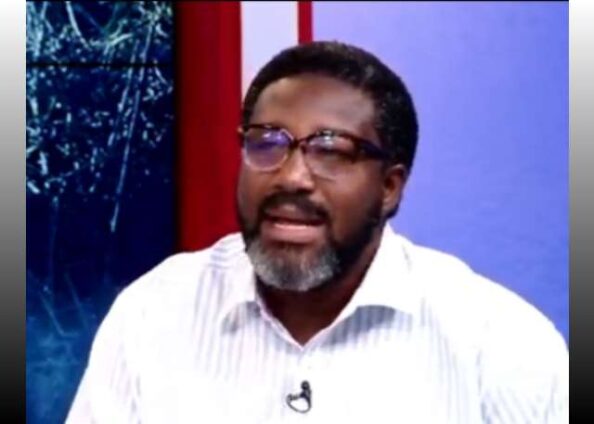
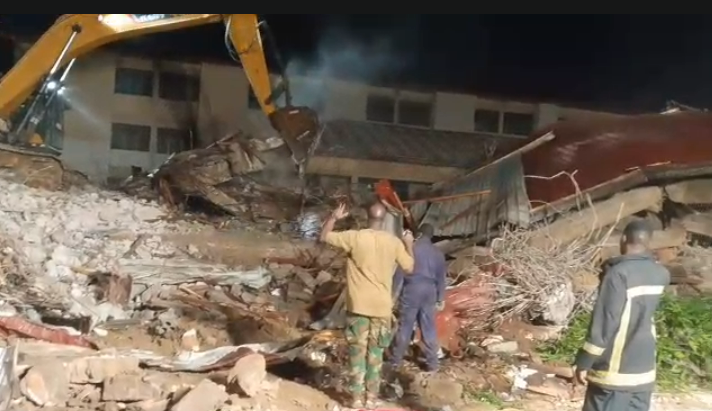
A building collapse in Accra New Town on Sunday, March 29, left three people dead and about 20 injured. The unfinished three-storey structure, located inside a school and also used for church activities, suddenly gave way.
The tragedy has led to growing calls for accountability and a thorough investigation into the cause.
After the tragedy, the Ministry of Gender, Children, and Social Protection (MoGCSP) expressed sadness and sent condolences to the affected families. It also promised that its Social Welfare Department would support survivors and those who lost loved ones.
Dr. Agnes Naa Momo Lartey emphasized the need to follow safety and building rules to help prevent such incidents in the future.
Major (Rtd) Dr. Joseph Bikanyi Kuyon, head of NADMO, confirmed that all people trapped in the collapsed building have been rescued, with help from sniffer dogs. The team is now focusing on clearing the debris safely.
Mohammed Awal, NADMO’s director for Accra New Town, said the agency had no reports about the building before it fell, even though the local chief had warned residents not to stay in unsafe buildings.
He also said four other unsafe buildings in the area, some still occupied, are set to be demolished.
Legal expert Lom Nuku Ahlijah said that in Ghana, victims and their families can seek compensation in court even while the government prosecutes those responsible.
Criminal cases punish lawbreakers, while civil cases help victims get personal redress.
He added that no one is above the law, and public bodies like the Ghana Education Trust Fund (GETFund) must ensure high safety standards.
The collapsed building was an old GETFund project left unfinished for over 10 years. It had been abandoned, became accessible, and was reportedly used by people.
Alfred Asiedu Adjei, President of the National Association of Local Authorities of Ghana (NALAG), called it a “preventable tragedy” and a “wake-up call.”
He blamed poor monitoring, unclear responsibility for stalled projects, and lack of safety enforcement.
This disaster shows that neglecting public projects can be deadly, and stronger oversight is urgently needed.
The Mayor of Accra, Michael Kpakpo Allotey, is calling for answers after a building collapse revealed long-standing safety risks.
He wants a full investigation into how these dangers were ignored and stressed the importance of regular checks on public buildings, especially schools.
The Accra Metropolitan Assembly says it will cooperate with investigators and take action against anyone responsible.
Engineers have raised serious concerns about the collapse.
Emmanuel Aiddoo from the Ghana Institution of Engineering (GhIE) said the concrete used had different types of rocks and aggregates, which could affect the building’s strength.

Experts also worry that quickly clearing the debris may make it harder to find out what really caused the collapse.
Ludwig Annang Hesse, GhIE President, said standard safety rules require careful evidence collection before removing rubble, and important clues may already be gone.
The incident has highlighted the urgent need to ensure the safety of public buildings in Accra.
A building collapse in Accra New Town has raised serious safety concerns, and the Engineering Council, led by Isaac Badu, is investigating with the Ayawaso Central Municipal Assembly to find out what went wrong.
The Institution of Engineering and Technology, Ghana (IET-GH), says such collapses are often caused by poor design, bad construction, weak materials, overloading, or foundation problems.
They called for stricter rules, better quality checks, and modern rescue equipment for emergencies.
Ayawaso Central Municipal Chief Executive, Rudolf Collingwood-Williams, said the Assembly waited for technical advice before acting, and he also told churches on school grounds to stop activities for safety.
The authorities are criticized for weak enforcement and poor emergency response, but NALAG suggested checking all unfinished buildings, assessing risks, and holding builders accountable.
The IET-GH warned the public to avoid unsafe buildings, and this tragedy is a clear reminder that building safety must improve to protect lives.