A Tablet for Headache, an Antibiotic for Fever: When Did This Become Normal?
Frequent and inappropriate use of antibiotics and painkillers can cause serious problems, from antimicrobial resistance to medication-related harm, making responsible medicine use increasingly important.
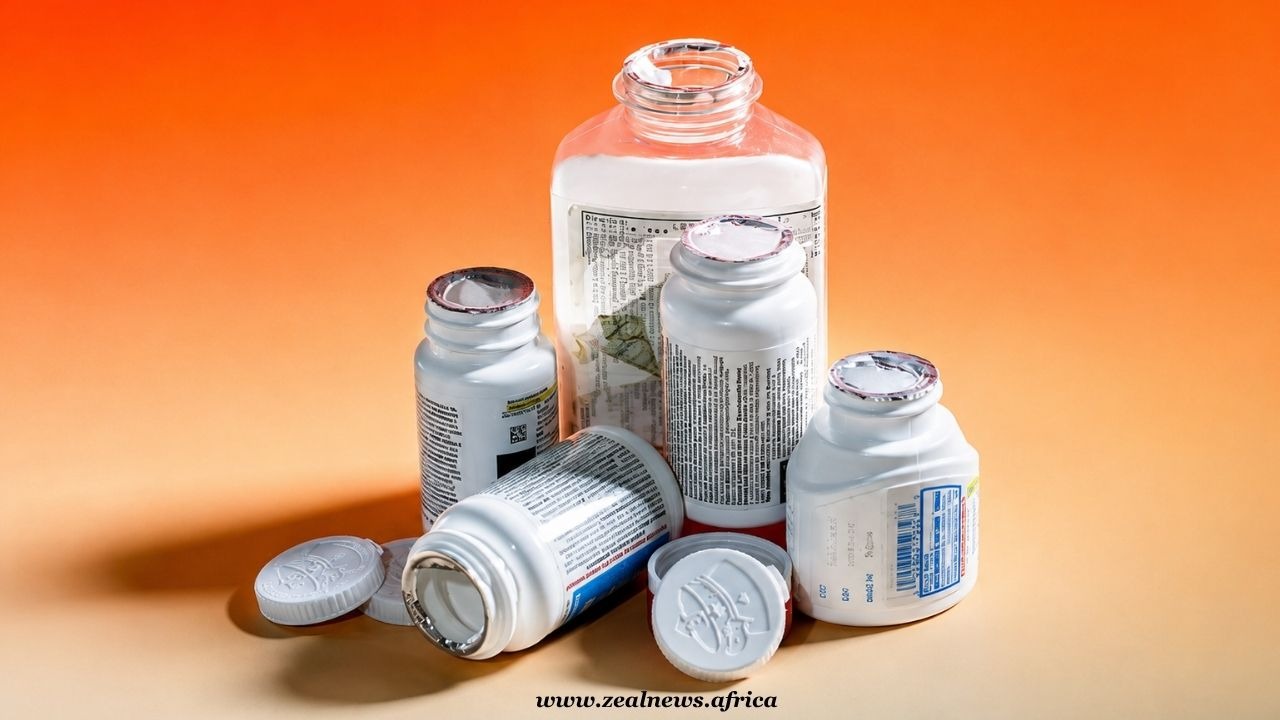
There is a certain familiarity to the way many of us reach for medicine. A headache appears, and before we ask what caused it, a painkiller is already within reach; a fever comes with an antibiotic, sometimes pulled from an old prescription, recommended by a friend, or bought because it worked last time.
The discomfort disappears, or at least becomes easier to tolerate, and the experience quietly teaches us that every unpleasant feeling has a tablet waiting for it.
Over time, taking medicine can become less of a considered decision and more of an automatic response to anything that feels slightly wrong.
When Medicine Becomes the First Response
Analgesics, primarily known as painkillers or pain relievers, have an important place in healthcare. They can reduce pain and fever, basically helping people manage everything resulting from headaches to injuries when used appropriately.
The problem begins when they become the immediate answer to every headache, body ache, or discomfort, particularly when someone repeatedly takes them without understanding what is causing the problem or whether medication is necessary.
A headache after a long day, for example, may have several possible causes, including dehydration, lack of sleep, tension or stress from daily activities.
That does not mean every headache should simply be endured without treatment; rather, it means the symptom deserves some attention before the medicine cabinet becomes the default automatic destination. Rest, hydration, food, sleep, or addressing the source of tension may sometimes help, while persistent, severe, unusual, or worsening pain should be properly assessed by a healthcare professional.
Antibiotics are an even more important case because they are designed to treat bacterial infections, not every fever, cold or illness. Taking an antibiotic when it is not needed does not make the body stronger against infection, and it can contribute to antimicrobial resistance (AMR), a growing global health problem in which bacteria evolve mechanisms that allow medicines designed to kill them or stop their growth to become less effective.
The Problem With Taking What Worked Last Time
There is a comforting logic behind self-medication: I had this before, I took this drug, and I got better. The difficulty is that feeling better does not necessarily prove the medicine was responsible, nor does a previous illness guarantee that the next one has the same cause.
With antibiotics, unnecessary or inappropriate use gives bacteria more opportunities to develop resistance. The result is not that an individual's body becomes "immune" to an antibiotic in the same way it develops immunity to a vaccine; rather, the bacteria causing an infection can become resistant to the medicine.
When that happens, an antibiotic that once worked may no longer be effective against those bacteria, making some infections harder to treat.
Painkillers have a different problem. They do not generally create antimicrobial resistance, but frequent or excessive use can cause other harms depending on the specific medicine, dose, and person's circumstances.
Some painkillers can irritate the stomach, affect the kidneys or liver, increase the risk of bleeding, or interact with other medicines, which is why "it is only a painkiller" should never mean "it cannot cause harm."
This is where the desire for instant relief becomes part of the problem. Modern life encourages us to keep moving: work through the headache, study through exhaustion, attend meetings despite feeling unwell, and return to normal as quickly as possible.
A tablet can make that possible for a while, but sometimes the body is signalling that something needs attention rather than simply asking for another dose.
We Need Better Medicine Habits, Not Less Medicine
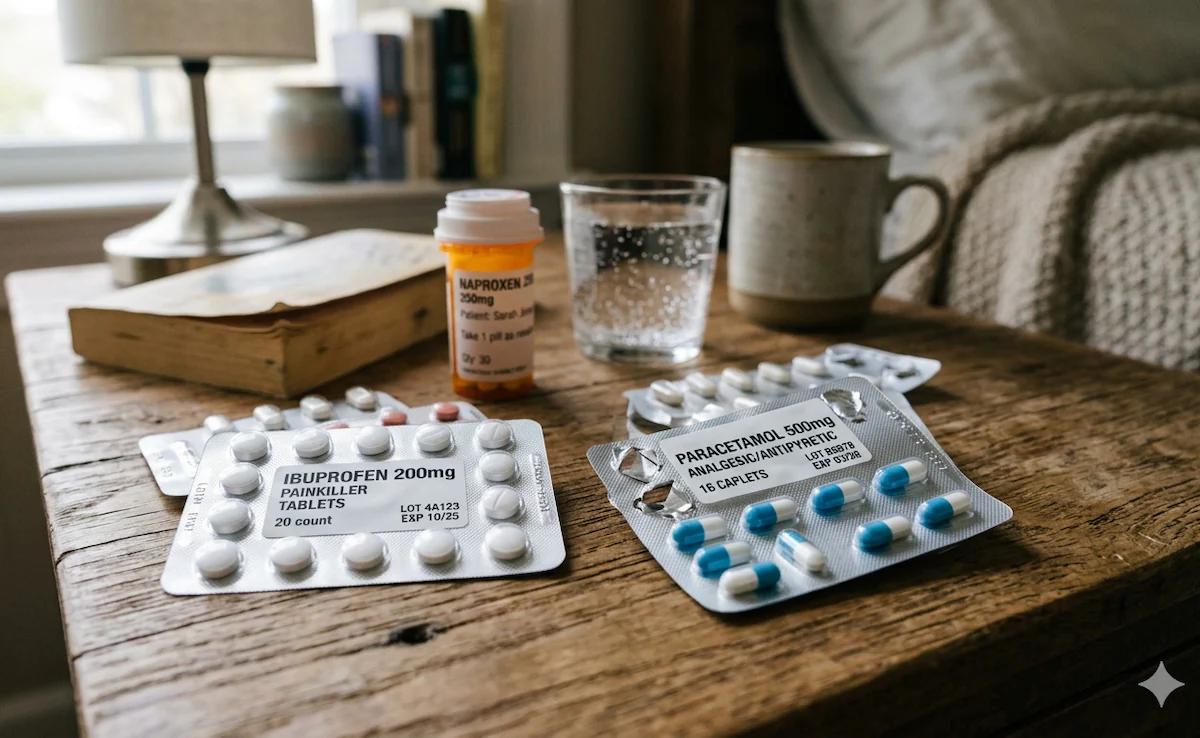
None of this makes medicine the enemy. Antibiotics have transformed modern healthcare, and appropriate pain relief can be enormously valuable. The issue is how casually we sometimes use medicines that deserve more consideration.
A better habit begins with a simple pause: What exactly am I treating? Have I experienced this before, and is it actually the same problem? Do I need professional advice? Am I taking this medicine because it was prescribed for this particular condition, or simply because it is available?
For antibiotics especially, using them only when prescribed and following the prescribed instructions helps protect their effectiveness. For pain, paying attention to patterns can also be useful.
If headaches repeatedly appear after stressful days, poor sleep, or long periods without eating, the answer may involve addressing those factors rather than repeatedly masking the symptom.

The uncomfortable truth is that we have become very good at treating discomfort quickly and sometimes less interested in understanding it. Not every ache requires a pill, just as not every fever requires an antibiotic, but serious or persistent symptoms shouldn't be ignored.
The goal is not to fear medicine; it is to stop treating medicine as an automatic reflex and start treating it as what it is, a tool that works best when used for the right reason, in the right way, and when it is actually needed.