What Does JPMorgan See in Nigeria? The 10 Shifts Behind the Merchant Bank Plan
JPMorgan eyes a Nigerian merchant bank by year-end. See what’s fuelling investor interest, from record reserves to a bond index return, and the hot money risks.

When a global bank announces plans to enter Nigeria, the headlines often arrive before the harder questions. J.P. Morgan intends to launch a merchant bank before the end of 2026, subject to approval from the Central Bank of Nigeria (CBN) and other relevant regulators.
But the announcement did not happen in isolation. Since January, Nigeria’s currency market, foreign reserves, bond yields and capital markets have been moving in ways international investors are watching closely. These developments do not prove what determined J.P. Morgan’s decision, but they help explain why Nigeria is attracting renewed attention.
The proposed merchant bank would deepen J.P. Morgan’s relationship with Nigerian businesses and capital markets, potentially providing services such as corporate financing and dollar-denominated loans.
The plan follows earlier reports in 2025 that the bank was considering converting its Lagos representative office. It is not yet a completed launch, and regulatory approval remains essential.
Ten developments changing Nigeria’s investment story
1. Foreign reserves have strengthened.
By October, CBN Governor Olayemi Cardoso reported gross reserves of about $55 billion and net reserves of $46 billion. Larger buffers can help meet external obligations and reassure investors concerned about getting their money out.

2. The naira has become more stable.
The currency traded around ₦1,333 to the dollar in early October. Stability matters because returns on naira investments can disappear when investors convert their earnings back into dollars at a weaker exchange rate.
3. Foreign capital is returning, but its composition matters.
Nigeria recorded $10.37 billion in capital importation in the first quarter, up 83.8% year-on-year. However, portfolio investment dominated these inflows. Money entering financial assets is not the same as long-term investment in factories, infrastructure or production.
4. The GBI-EM Edge has reopened a door.
On September 14, J.P. Morgan assigned Nigeria a 7.4% weighting in its new Government Bond Index–Emerging Markets Edge. The benchmark covers local-currency government debt across frontier markets. This is not Nigeria’s return to J.P. Morgan’s flagship bond index, nor a stock-market listing. It gives eligible Nigerian bonds fresh visibility among investors tracking the benchmark.
5. Nigerian bonds offer tempting yields.
Eligible securities in the index had an average yield to maturity of 17.1%, compared with 10.39% for the overall benchmark. That gap attracts yield-seeking investors, but high returns can also signal substantial currency, credit and market risks.
6. Real interest rates remain attractive.
August inflation stood at 15.39%, while the CBN’s policy rate was reset to 23% in September. The gap offers investors potentially positive real returns, although actual returns depend on inflation over the investment period, taxes, bond prices and exchange-rate movements.

7. Inflation has eased enough for monetary policy to shift.
After keeping rates high, the CBN reduced the policy rate by 350 basis points in September. Slower inflation can improve confidence and bond-market conditions, but households still face high prices, and one lower inflation reading does not mean the cost of living has fallen.
8. External accounts have improved.

Nigeria recorded a $7.54 billion current-account surplus and a $3.51 billion balance-of-payments surplus in the second quarter. Higher refined petroleum exports have contributed to the improvement, offering another source of foreign exchange beyond crude oil.
9. Diaspora remittances are supplying more dollars.
Formal inflows through international money transfer operators reached $947 million in July, a record at the time. Unlike portfolio flows, remittances support households as well as foreign-exchange supply, though they are not a substitute for productive investment.
10. The financial system and stock market are being reshaped.
Nigeria’s banking recapitalisation raised ₦4.65 trillion, while the NGX All-Share Index gained 61.43% in the first nine months of 2026. These developments signal a market in transition, although rising share prices do not guarantee stronger businesses or broad-based prosperity.
The hot-money question
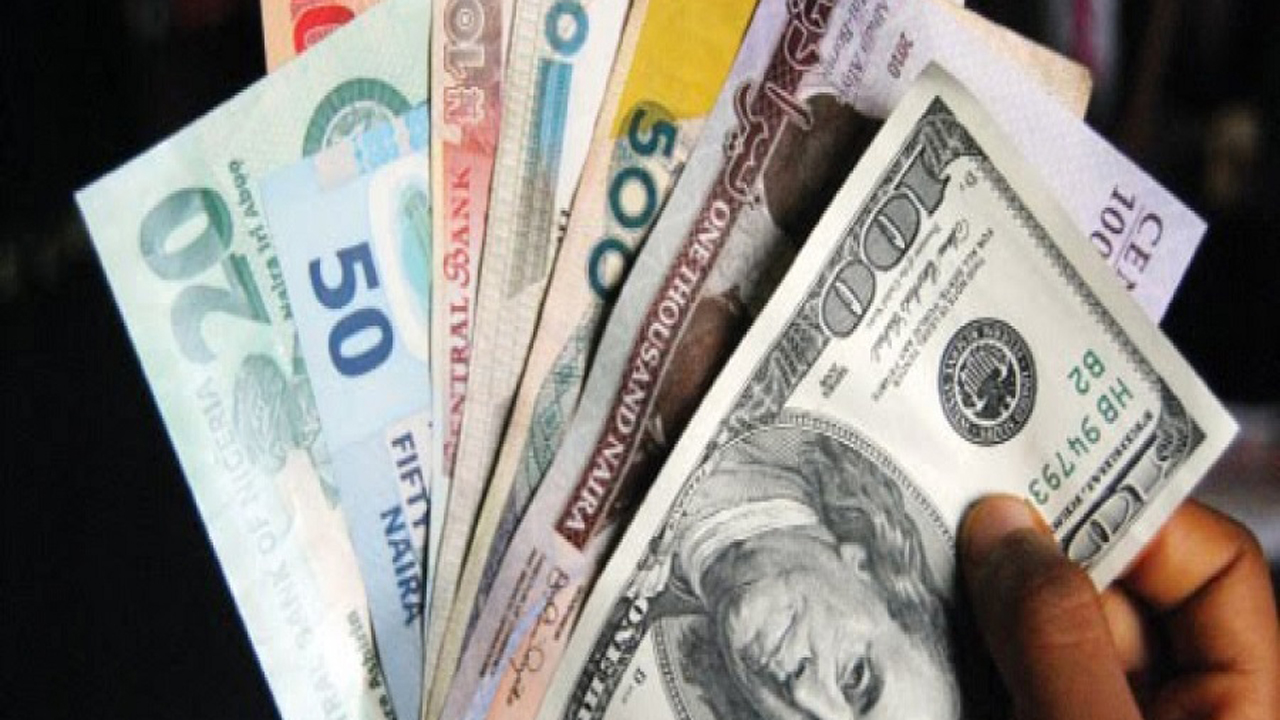
Put together, these developments make Nigeria harder for global investors to ignore. But hot money, capital chasing attractive short-term returns, can leave when yields become less appealing, the naira weakens or global conditions change. Nigeria’s challenge is to turn renewed attention into longer-term investment, stronger businesses and jobs, rather than treating inflows as proof that the economic problem has been solved.