A Country That Wastes 38 Million Tonnes of Food Should Not Be Hungry
Nigeria wastes 38 million tonnes of food each year while millions go hungry. This is not a consumption problem; it is a systemic failure of infrastructure, policy, and political will.
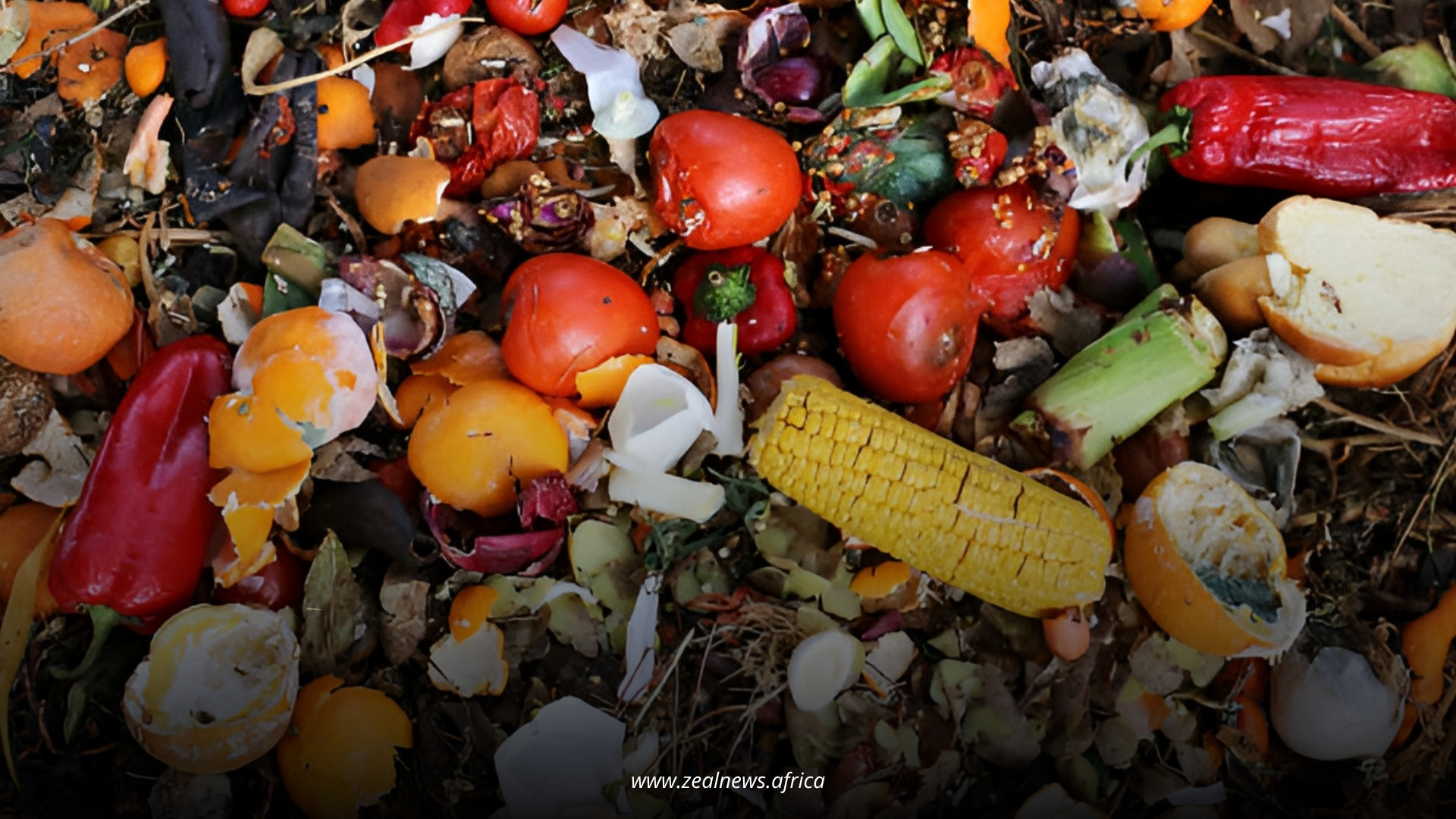
Last week, a representative of the European Union stood in Abuja and delivered a statistic that should have stopped this country in its tracks. Nigeria wastes 38 million tonnes of food every year, more than any other country on the African continent.
The announcement was made during this year's International Zero Waste Day, and it went viral the way Nigerian news usually does: trending for a day, forgotten by the next.
However, this one deserves more than a 24-hour cycle.
Two Sentences, One Country
Currently, 31 million Nigerians are experiencing acute food insecurity. The poverty rate is projected to hit 62 percent this year, roughly 141 million people living below the poverty line.
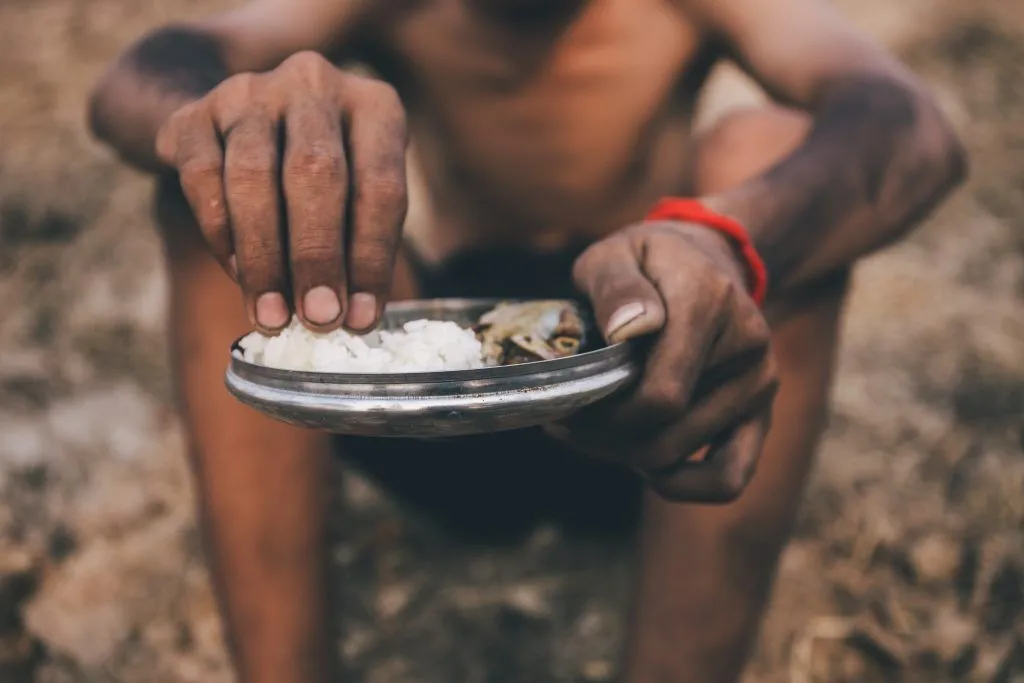
In December 2024, 67 people died in stampedes across three Nigerian cities trying to get food at charity events. Children in Borno State are being pulled out of nutrition clinics because the funding dried up.
Nigeria ranks 115th out of 123 countries on the Global Hunger Index, with a hunger score classified as "serious." The country was named one of the world's hunger hotspots, grouped alongside Yemen, Sudan and South Sudan, countries currently in war.
38 million tonnes of food wasted. 31 million people hungry. Both sentences are true at the same time, in the same country.
The Wrong Villain
It is very easy to read this and feel moral outrage at individual behaviour, possibly at Nigerians throwing food away while their neighbours starve. However, that is barely the case.
The majority of Nigeria's food waste does not happen on dining tables. It happens in the gap between the farm and the table.
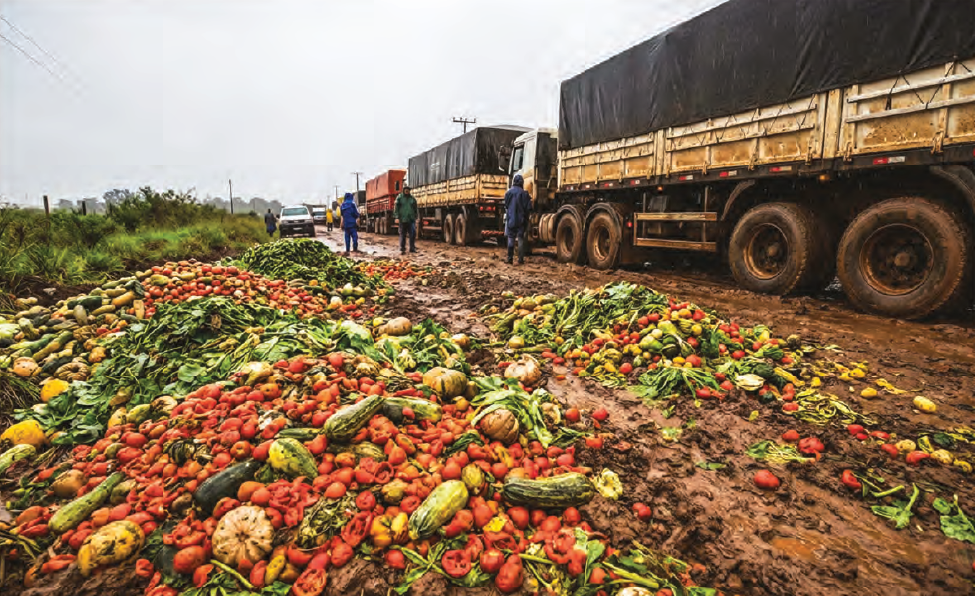
Produce rots in trucks stuck on bad roads. Tomatoes spoil because there is no cold storage in the village. Yam and cassava go bad because smallholder farmers have nowhere to keep their harvest while they wait for buyers.
This is post-harvest loss, largely a structural failure, not a personal one, and it accounts for a staggering share of what gets counted in that 38 million tonne figure.
The conversation is not really about wasteful behaviour. It is about a government that has consistently refused to build the systems that would prevent both problems simultaneously.
Fix the roads, build the cold chains, invest in rural storage and you reduce food waste and food insecurity in the same motion.
They are the same crisis, wearing two faces.
Why Is the EU Telling Us This?
It gets complicated because we should also ask why the EU is the one delivering this information, and what they want in return.
The EU has a significant and openly stated interest in pushing the circular economy agenda into African markets. Their own policy documents frame Nigeria specifically as a strategic partner for circular economy cooperation and this is tied to trade.
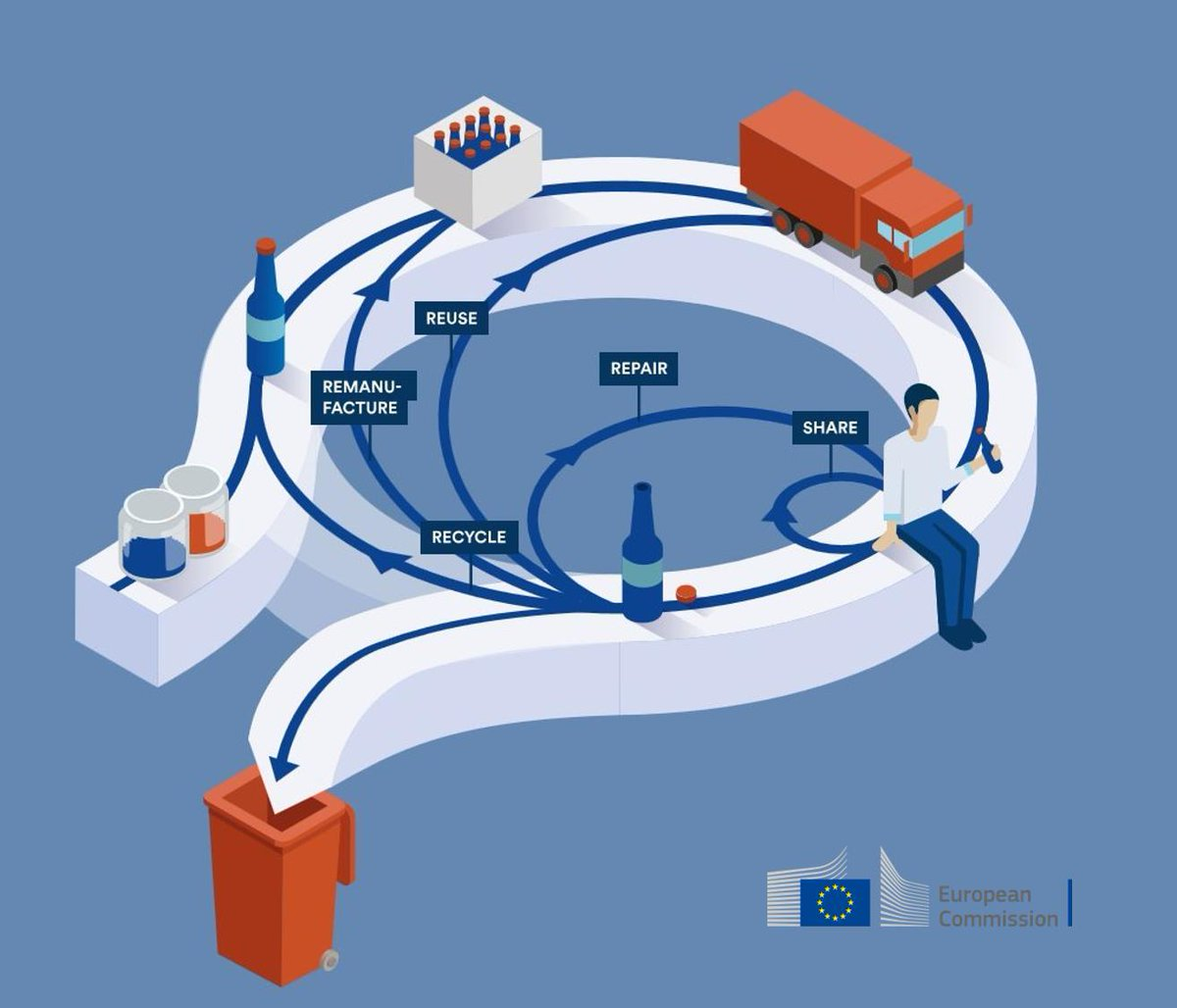
When the EU ambassador recommends that Nigeria invest in agro-processing, cold chains and sustainability education, those are not neutral suggestions. They are recommendations that, if implemented along EU-aligned frameworks, would open Nigeria's markets to European investment, technology and technical cooperation contracts.
The EU's Green Deal is not charity. It is also a trade strategy.
This does not make the food waste statistic false. The data is real, corroborated by the UN's own food waste index going back to 2021. It also means we should receive this "alarm" from a foreign delegation with our eyes open.

The EU is not raising this issue because it is losing sleep over Nigerian hunger. It is raising it because Nigeria's food system represents an infrastructure and investment opportunity, and framing it as a crisis is a useful entry point.
Concern and self-interest are not mutually exclusive but one of them tends to be doing more work than the other.
A Roadmap Is Not a Response
The tragedy is that the Nigerian government's response is to welcome the conversation and flag its Circular Economy Roadmap as evidence of commitment, the roadmap, while people are dying in food stampedes.
This country does not need more roadmaps. It does not need foreign delegations showing up once a year on Zero Waste Day to remind us that we are failing.
It needs functional rural infrastructure. It needs real investment in smallholder farmers, not seasonal announcements.
It needs a government that treats feeding its people as a core function of the state, not a talking point for international events.
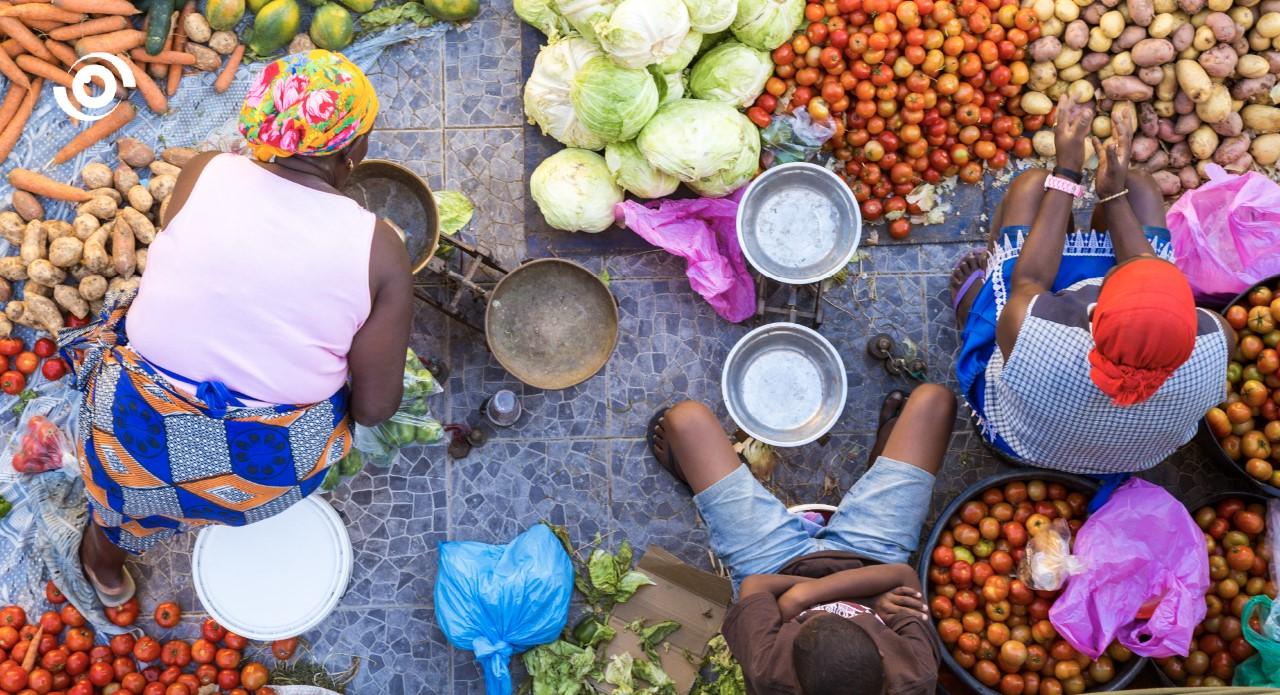
38 million tonnes of food lost every year, in a country where millions go to bed hungry, says a lot about policy choices made and remade every year by people who could fix it and have decided not to.
The irony is hard to miss. Nigeria is wasting enough food to feed itself. It just lacks the political will to make the connection.