9 Countries That Hold About 60% of the World’s Freshwater Resources
Did you know that just nine countries hold most of the world’s freshwater? See which nations are water-rich, and fun facts about their rivers and lakes.
If just nine countries hold about 60% of the World’s freshwater resources, does that mean the rest of the world shares just 40%?
Sounds interesting, let's take a few minutes to understand this.
Freshwater is one of our planet’s most vital resources, yet just a small fraction of Earth’s water is drinkable and accessible for people, farms, and ecosystems.
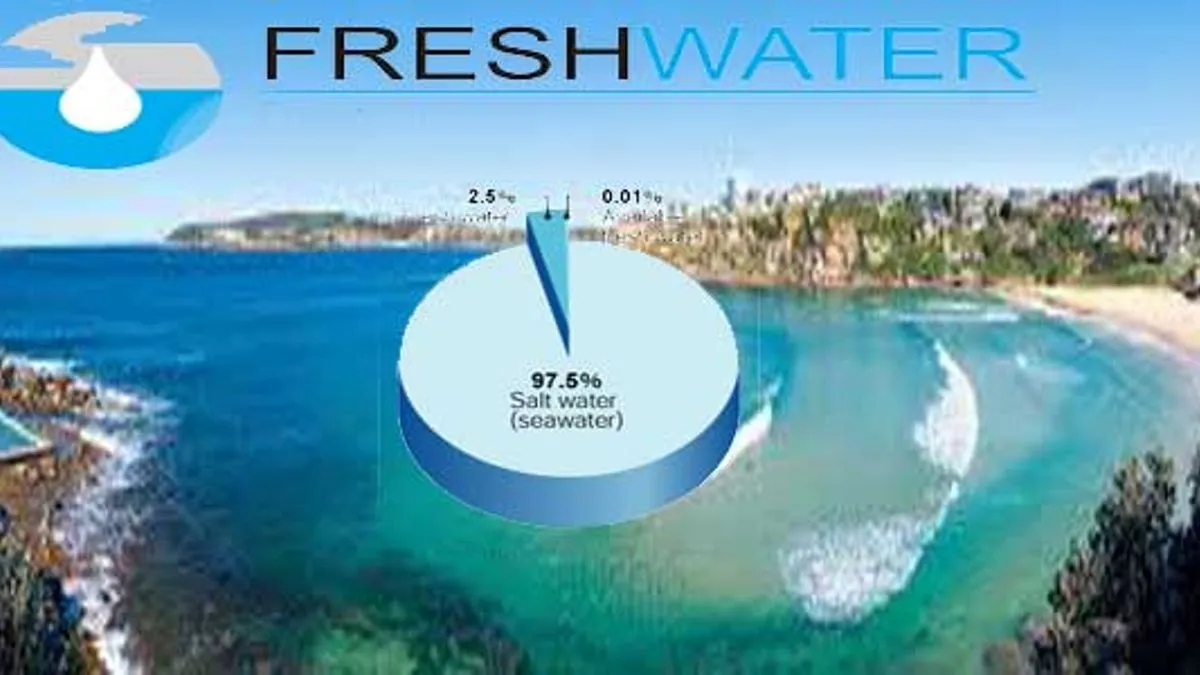
While about 71% of the planet is covered by water, roughly 97.5% of it is saltwater, leaving only 2.5% as freshwater.
Even more remarkably, a handful of countries hold a huge share of the world’s renewable freshwater.
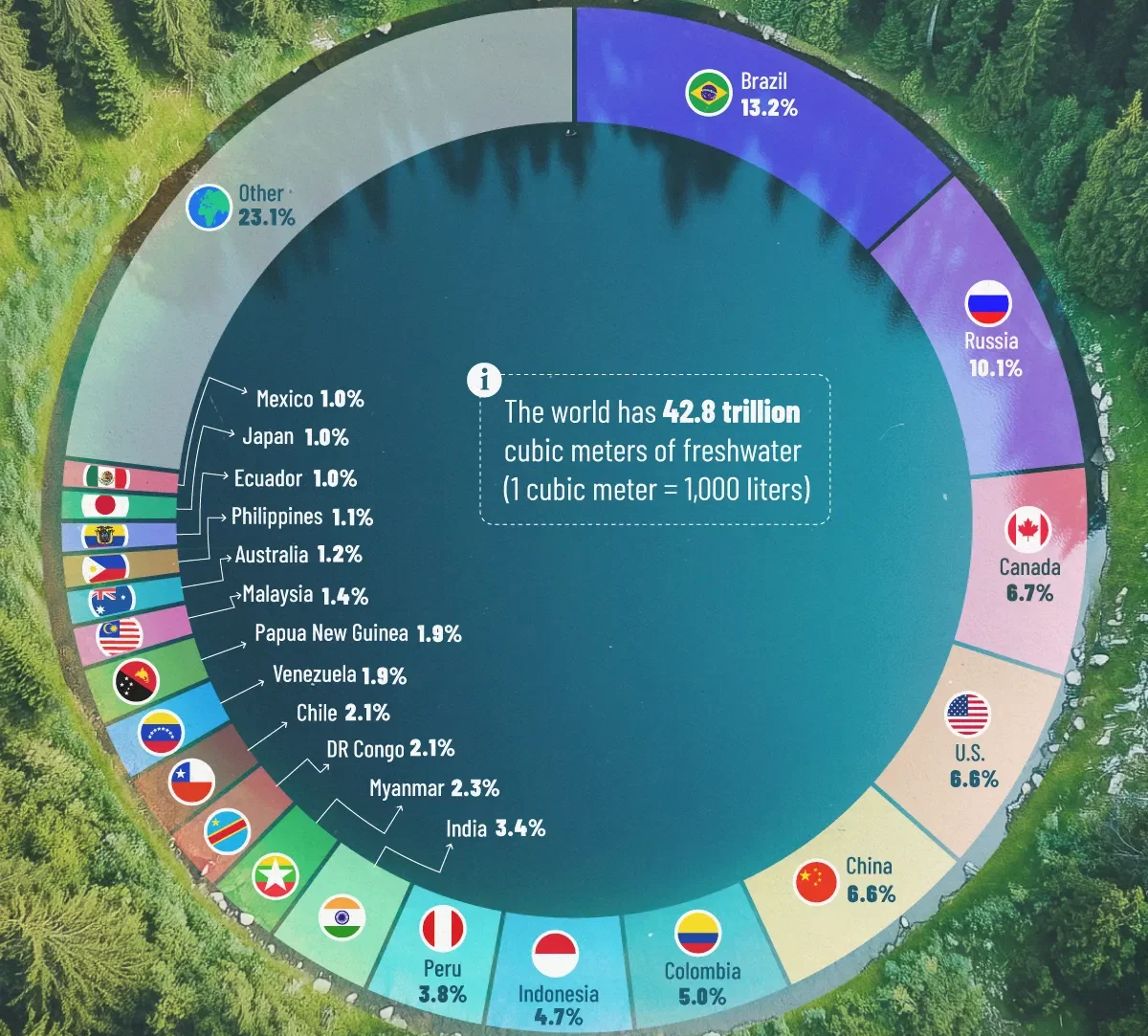
Brazil, Russia, Canada, the United States, China, Colombia, Indonesia, Peru, and India together control around 60% of the planet’s freshwater resources.
This is a striking concentration given how essential water is to life.
Let's see the breakdown of those nine water‑rich nations and a fun fact about freshwater in each of the countries.
1) Brazil
The first country that tops the list with the largest share of renewable freshwater in the world is Brazil with about 13.2% of the global total.
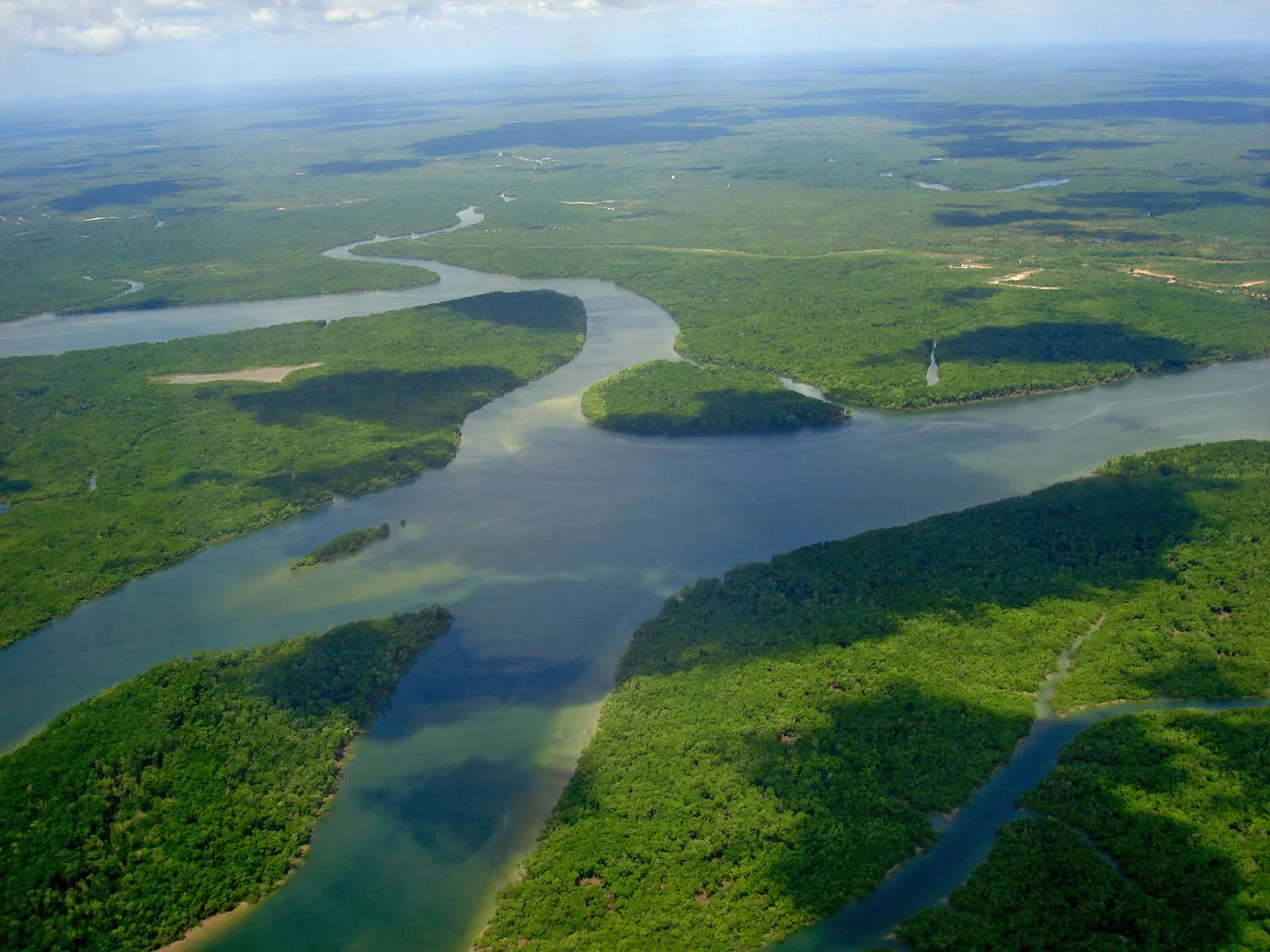
This is largely thanks to the Amazon Basin, which acts like the planet’s biggest water engine, collecting rainfall and feeding rivers and streams that flow across much of South America.
Fun Fact: The Amazon Basin alone accounts for roughly one‑fifth of the world’s river flow and contains thousands of waterways that support countless species of plants and animals.
2) Russia
Russia ranks second with around 10% of the world’s freshwater resources.
The country’s vast landmass includes countless lakes and rivers spanning from its western borders to frozen Siberia and one of the most extraordinary is Lake Baikal. It is the jewel of Russia’s water wealth, which contains about 20 % of the planet’s unfrozen freshwater.
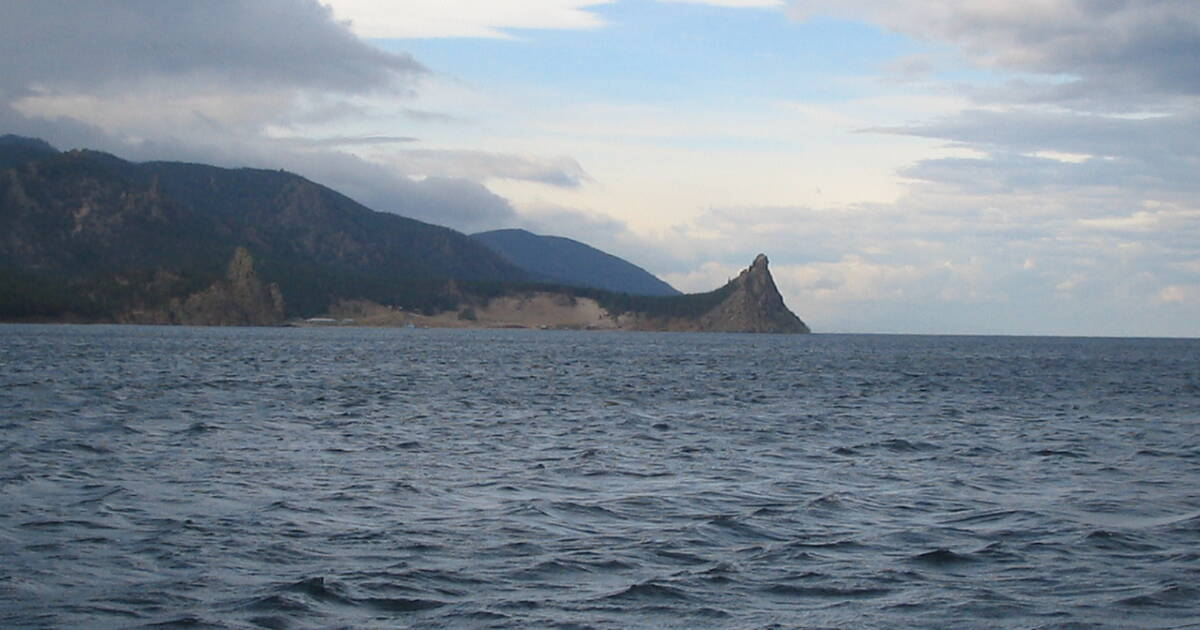
Fun Fact:Lake Baikal is not just another big lake, it is the deepest freshwater lake on Earth and holds an astonishing amount of the world’s fresh water. It is so deep that it could fit all the Great Lakes stacked on top of each other — twice over.
3) Canada
Canada holds about 6.7% of the world’s freshwater, mainly in its vast network of lakes and rivers.
The country’s glittering freshwater landscape was shaped by glaciers thousands of years ago.
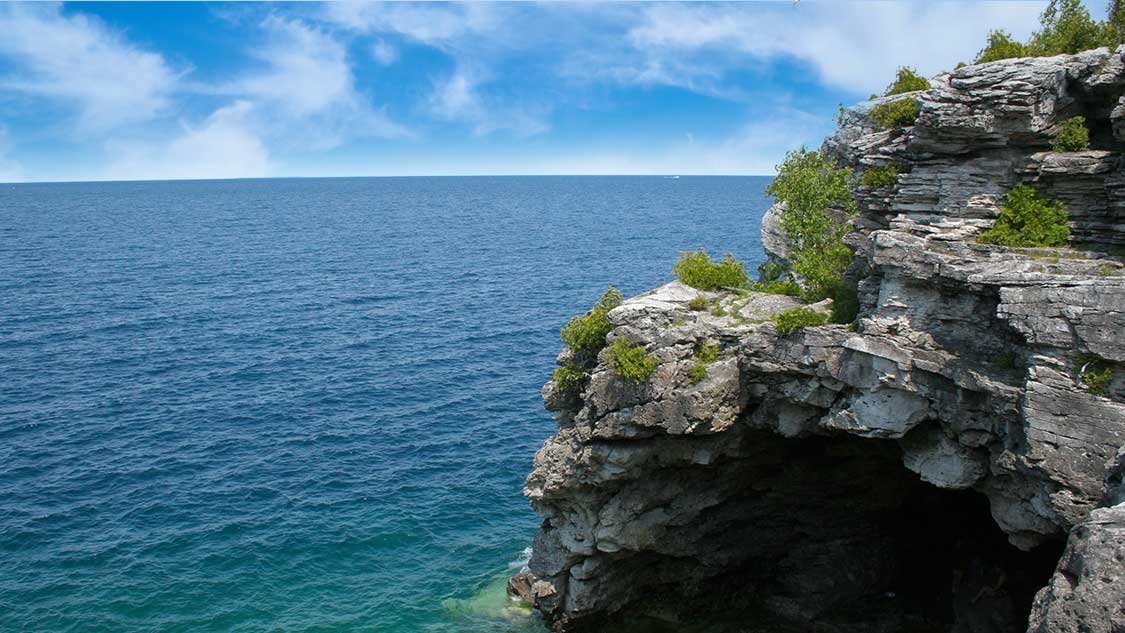

Fun Fact: Canada has millions of lakes and estimates vary widely, but it's often said to have between 2 million and 4 million lakes, making it one of the world’s lake capitals.
4) United States
The United States also accounts for roughly 6.6% of Earth’s freshwater resources.
From the Great Lakes to the winding Mississippi River, the U.S. has some of the largest and most important freshwater systems in the world.
Fun Fact: The Great Lakes alone, shared with Canada, hold about 21% of the world’s surface freshwater by volume, an enormous freshwater reservoir.
5) China
China’s share of freshwater is also about 6.6%, tied with the U.S. in the global rankings.
The country’s water supports hundreds of millions of people, agriculture, and industry, even though much of it is unevenly distributed across the country’s vast land.
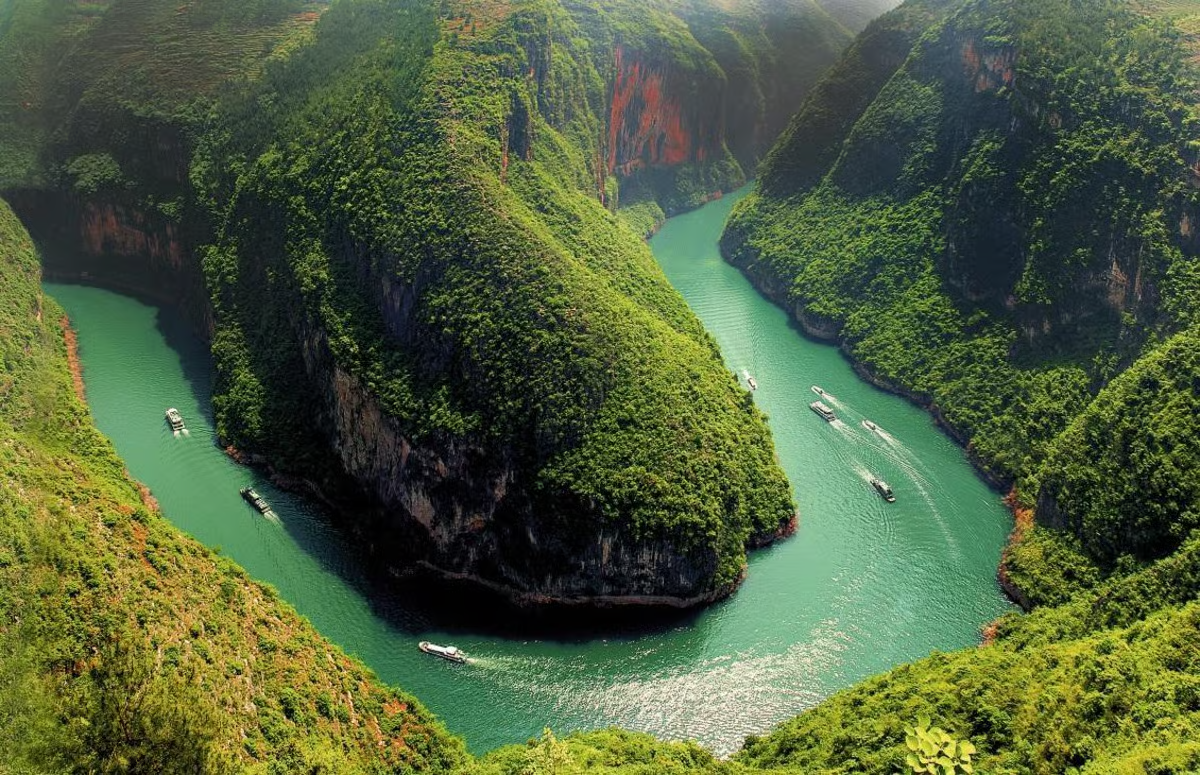
Fun Fact: China’s Yangtze River is not just long, it’s one of the most important rivers on Earth, supporting food production and ecosystems, and it’s connected to the world’s largest hydropower project at the Three Gorges Dam.
6) Colombia
Colombia contains about 5% of the world’s freshwater, an impressive share for its size.
Its rivers wind from snowy peaks down into the Amazon and Caribbean coast, nourishing ecosystems and communities.
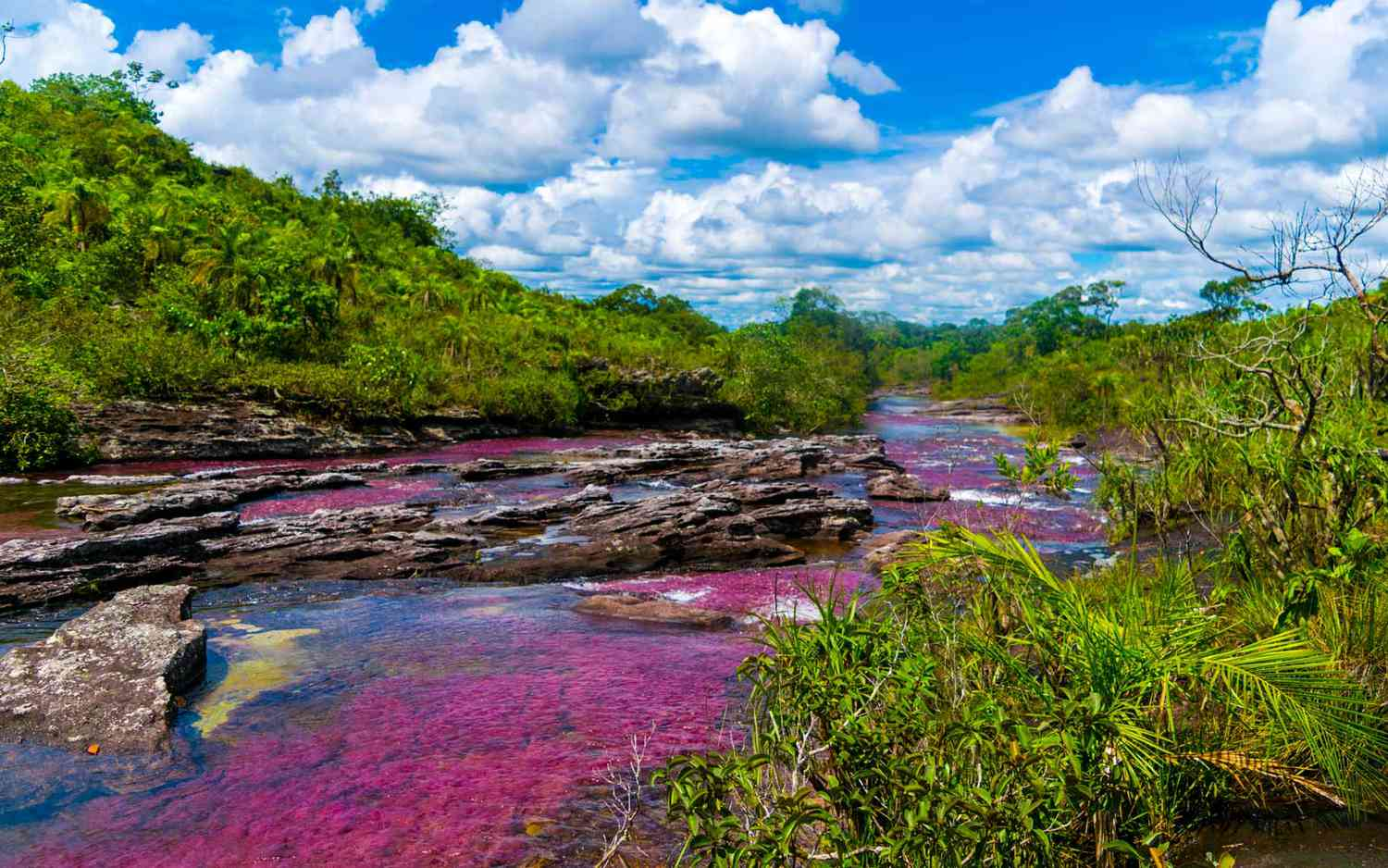
Fun Fact: Colombia is home to Cano Cristales, sometimes called the “River of Five Colours”, a vibrant waterway that bursts into hues of red, yellow, green, and blue during certain times of the year thanks to unique aquatic plants.
7) Indonesia
Indonesia’s freshwater share is around 4.7%, thanks to heavy tropical rainfall and countless rivers on its many islands.
This archipelago nation’s water supports everything from rice farming to rainforest ecosystems.
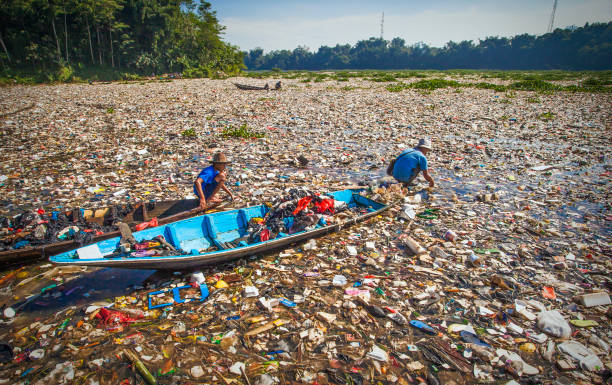
Fun Fact: Despite its water wealth, Indonesia’s Citarum River is often cited as one of the most polluted rivers in the world, highlighting the challenges of freshwater management alongside abundance.
8) Peru
Peru holds roughly 3.8% of the world’s freshwater, largely fed by the Andes Mountains and Amazon tributaries.
This water is crucial for local communities and the extraordinary biodiversity of the Amazon rainforest.
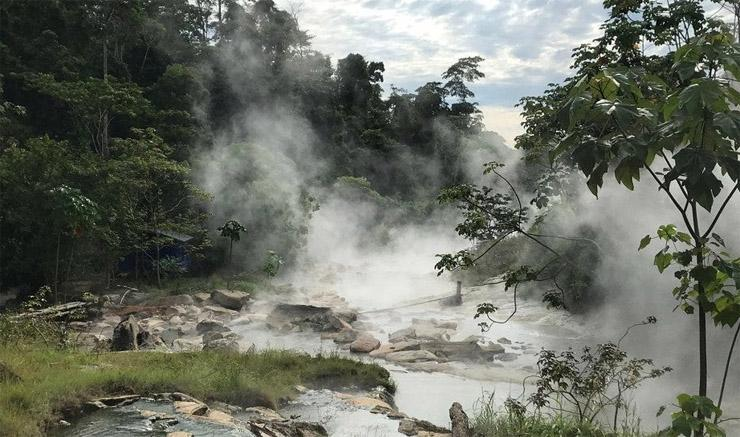
A unique, steaming river in the Amazon region of Peru.
Fun Fact: Peru is home to a rarely talked about phenomenon: the Boiling River (Shanay‑Timpishka), a wild river that can reach temperatures up to 93°C (199°F) without volcanic activity, surprising scientists.
9) India
India rounds out the nine with about 3.4% of the world’s freshwater.
India’s water lifelines include the sacred and life‑giving Ganges, Brahmaputra, and Indus river systems.
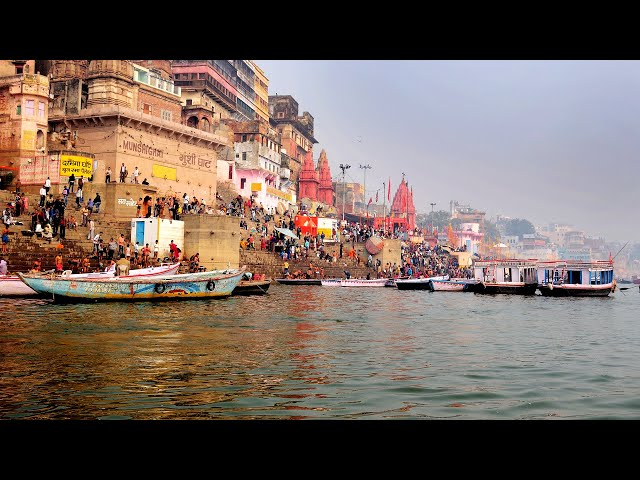
Fun Fact: Rivers in India such as the Ganges aren’t just important for water supply, they are deeply woven into culture and belief systems, with many millions viewing them as sacred.
Conclusion
Seeing that just nine countries hold most of the world’s water should make us pause:
While some regions may take water for granted, millions elsewhere struggle every day just to access it.
Even though these countries hold a large portion of global freshwater, access and water security vary widely within them, and across the world.
Freshwater scarcity remains a daily reality for many regions, affecting farming, health, and economic opportunities.
Managing this critical resource responsibly from protecting rivers and lakes to improving water access is a shared global challenge.
These nine countries show how water shapes landscapes, cultures, and life on Earth.