8 Ways You Contributed To The Lagos Floods Crisis
Lagos floods every rainy season, and the government isn't the only one responsible. Read about the 8 everyday habits quietly making the crisis worse.
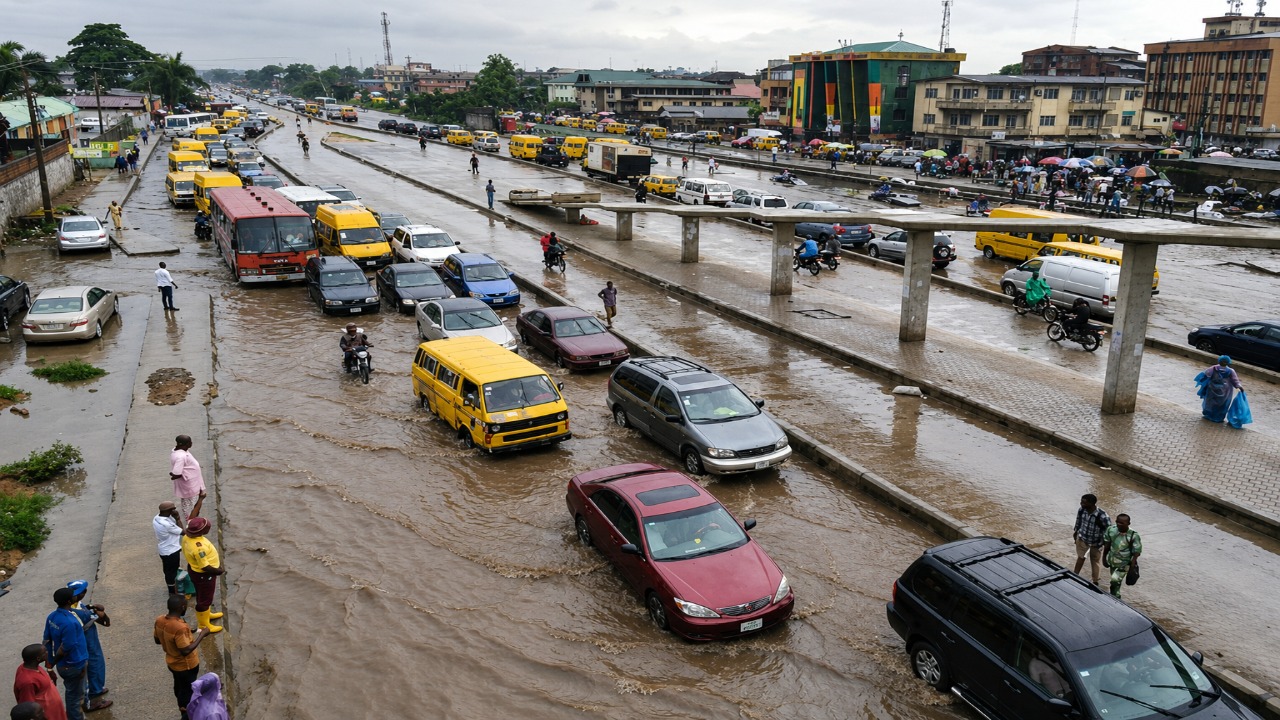
Every rainy season, Lagos turns into a lagoon nobody asked for, and every rainy season, the conversation goes the same way. And everyone calls into one person: the government.
They say a lot of things like the government failed us, the drainage is bad, climate change is real. However, it's all true. But before you finish that sentence, look at your own gutter.
Look at what you tossed out of your car window last Tuesday, and the last time you and your neighbors did community clean up, check the canal.
This city floods because of policy failure, yes, but it also floods because of ten million small individual choices made every single day. Here are ten of them.
1. You Threw That Pure Water Sachet Out the Window
You know the one. You finished the water, rolled the window down, and let it fly without a second thought. Multiply that by every commuter on every bus, every danfo, every private car, every single day, for years.
Those sachets don't disappear. They wash into gutters, jam drainage channels, and sit there until the first heavy rain has nowhere to go but your living room.
2. You Dumped Trash Into the Gutter Instead of Waiting for PSP
The waste collection truck didn't come on schedule, so you took matters into your own hands and tipped the bin straight into the gutter outside your compound.
It felt efficient at the time. It is the single most common reason Lagos drainage channels stop functioning before the rain even gets heavy.
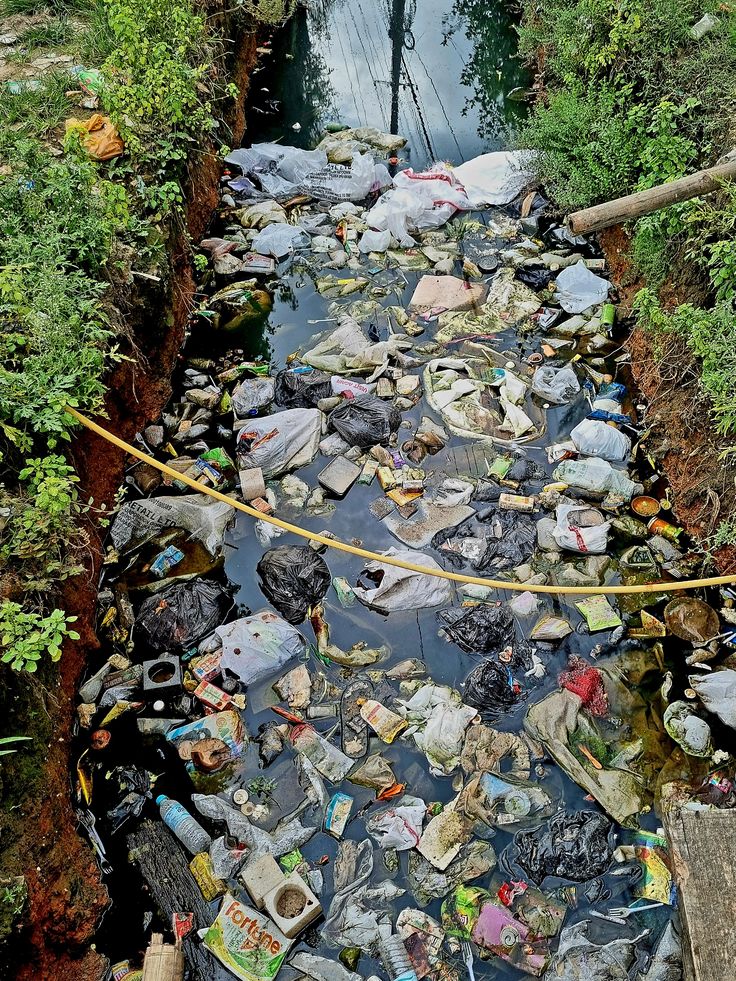
3. You Built on a Setback or Filled in a Wetland
Maybe you didn't do this one personally, but somebody in your extended family did, or you bought a plot that used to be swampland and didn't ask questions about why it was so cheap.
Lagos's wetlands and natural floodplains exist for a reason. They absorb excess water before it reaches your street. Every estate built over a former wetland removes another buffer the city needed.
4. You Parked Over the Drainage Channel
That open gutter in front of your shop or house is annoying to look at, so you covered it with a concrete slab, or you park your car directly over it because the space is convenient.
Either way, you've just blocked access for anyone trying to clear it, and you've made it that much easier for silt and trash to settle in undisturbed.
5. You Ignored the Illegal Structure Built on the Drainage Reserve
Somebody built a shop, a kiosk, or even a full building on land that used to be a drainage reserve, the empty buffer zone meant to let water flow freely.
You walked past it for years, bought things from the shop, never reported it, never questioned why a "road" suddenly narrowed at that exact spot. Silence is its own kind of participation.
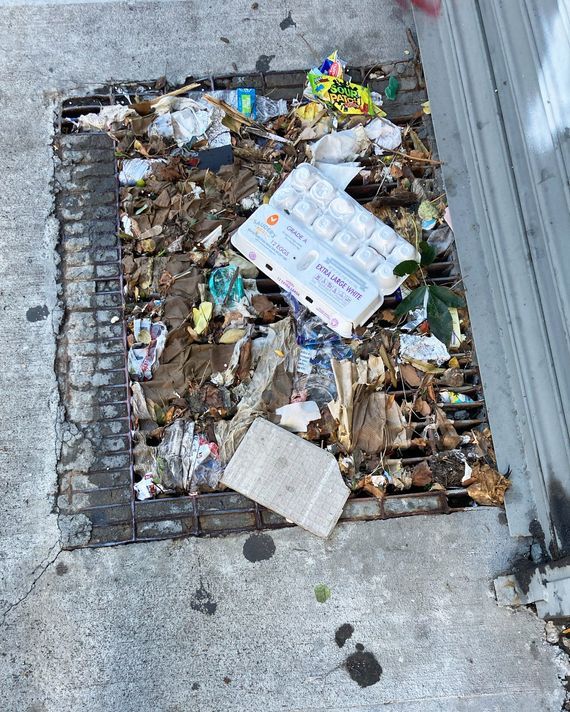
6. You Didn't Clear the Gutter in Front of Your Own House
Social Insight
Navigate the Rhythms of African Communities
Bold Conversations. Real Impact. True Narratives.
Lagos State has run "clean your frontage" campaigns for years, asking residents to take five minutes and clear leaves, sand, and debris from the drainage channel directly outside their own gate.
Most people skip it.
The five minutes you didn't spend becomes the blockage that sends water straight into your neighbour's parlour during the next downpour.
7. You Disposed of Construction Waste in the Nearest Open Space
Renovating your house generates sand, cement bags, broken blocks, and rubble, and hauling it to a proper dump site costs money and effort.
So it ends up in the nearest canal, the nearest empty plot, or the nearest gutter.

Construction debris is heavier and harder to clear than ordinary trash, and it does serious damage to drainage capacity when it accumulates.
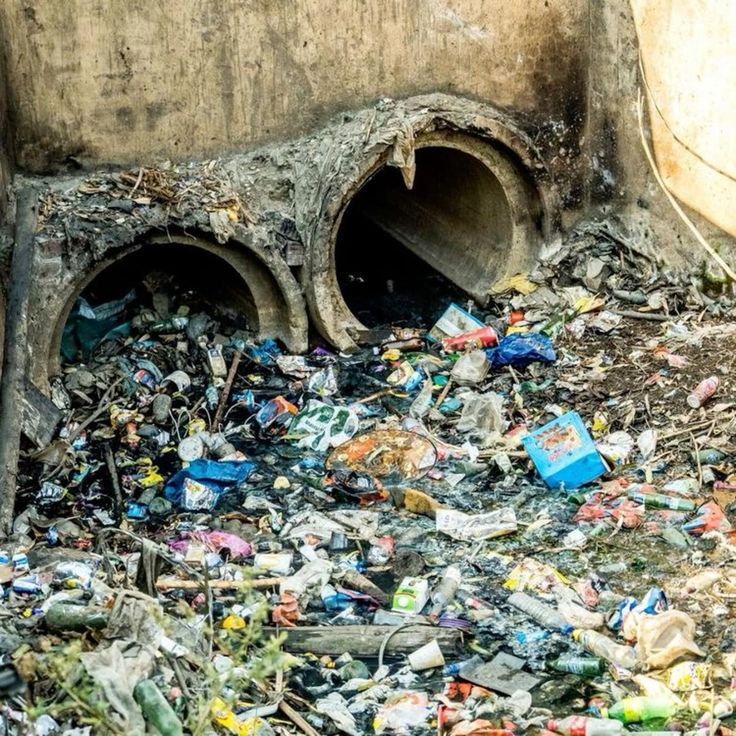
8. You Treated the Canal Near Your House as a Free Dump Site at Night
It happens after dark, when nobody is watching. You have old furniture you don’t want anymore, broken chairs, a torn mattress, bags of rubbish that piled up because the waste truck didn’t come this week.
Instead of waiting, you carry it to the canal near your house and throw it in. Nobody sees you. It feels like a small thing.
But that canal is not just empty space. It is the path water needs to follow when it rains. When you fill it with mattresses and broken furniture, you are building a wall inside it without even knowing.
The next time heavy rain falls, the water hits that wall and has nowhere to go. It pushes back into the streets, into people’s compounds, sometimes into your own house.
This kind of dumping is harder to catch than throwing trash on the road in daylight. Officials cannot fine what they do not see. So it keeps happening, night after night, all across the city, until the canal that was supposed to carry water away is doing the opposite. It is holding the water in.
You tell yourself it is just one mattress, one chair, one bag. But thousands of people are telling themselves the same thing, on the same night, in canals all over Lagos.
Conclusion
None of this lets government off the hook. Lagos State has genuine infrastructure gaps, ageing drainage systems built for a much smaller population, and maintenance budgets that don't match the scale of the problem.
But infrastructure failure and individual behaviour aren't competing explanations. They're two halves of the same crisis. The next time the water rises past your ankles, the question worth asking isn't only what the government failed to build. It's also what you, personally, threw into the gutter on your way to work.