8 Reasons Why You’re Tired Even After 8 Hours of Sleep
Feeling tired even after 8 hours of sleep? Understand the main reasons and practical tips to improve sleep quality, boost energy, and wake up refreshed.
You probably went to bed on early, and you slept for eight hours,
Yet you wake up tired, slow, and wish you could sleep more.
If this sounds familiar, it doesn’t mean you’re lazy or weak.
It means your sleep wasn’t restorative, and there’s a big difference between time in bed and quality sleep.
Because, sleep is about more than just the number of hours.
How well you sleep matters just as much as how long you sleep.
Let's check out reasons why this could be happening you:
1. Not All Sleep Is Good Sleep
When you sleep, your body goes through different stages:
Light sleep
Deep sleep
REM sleep (the stage where you dream)

Deep sleep helps your body recover. REM sleep helps your brain process memories and emotions.
If your sleep keeps getting interrupted, even slightly, you may not get enough deep or REM sleep.
That means, you wake up tired, you feel foggy and you might struggle to focus in the morning.
You might not remember waking up, but your body does.
2. Your Phone Might Be Stealing Your Energy
Scrolling before bed feels relaxing, but phones and tablets give off blue light.
This light tells your brain: “Hey, it’s daytime. Stay awake.”
As a result:
Your body produces lessmelatonin which is the sleep hormone)
You fall asleep later
Your sleep becomes lighter
Even if you’re in bed for 8 hours, your body may not fully relax.
That’s why many people wake up tired after late-night screen time.
3. Stress Can Keep Your Brain Awake
You might be asleep, but your mind could still be busy.
Stress from: school pressure, exams, friend problems, family issues, social media can keep your brain alert all night.
Your body releases stress hormones like cortisol, which make deep sleep harder.
4. Sleeping at Different Times Confuses Your Body
Your body loves routines.
Your body has a built-in timer called thecircadian rhythm.

It tells you when to feel awake and when to feel sleepy. But this clock needs consistency to work well.
Going to bed and waking up at different times each day can mess with your internal clock.
For example:
Sleeping at 10 p.m. on school nights
Sleeping at 2 a.m. on weekends
This is called social jet lag. It’s like traveling to a different time zone every weekend.
Even with 8 hours of sleep, your body doesn’t know when it’s supposed to feel awake, so you feel tired.
5. You Might Not Be Moving Enough
It sounds strange, but not moving much during the day can make you more tired.
Physical activity helps:
Release energy during the day
Reduce stress
Improve sleep quality
You don’t need intense workouts.
Simple movements like walking, stretching, playing sports, dancing, riding a bike help a lot because when your body uses energy during the day, it sleeps better at night.
6. What You Eat (and Drink) Matters
Your body needs fuel to make energy.
Things that can affect your sleep:
Skipping meals
Too much sugar
Caffeine late in the day (coffee, energy drinks, soda)
Not drinking enough water
Low levels of iron or vitamins can also cause tiredness.
If you’re often exhausted, nutrition could be part of the reason.
7. You Might Be Emotionally Exhausted
Being tired isn’t always physical.
Emotional tiredness comes from constant pressure, overthinking, comparing yourself to others, feeling overwhelmed
Even if your body rests, your emotions may need care too.
Talking to someone, journaling, or taking breaks from social media can help.
8. Sometimes, There’s a Health Reason
In some cases, ongoing tiredness can be caused by:
Sleep disorders
Anxiety or depression
Hormone changes

If you’re tired all the time, even with good sleep habits, it’s okay to ask for help from healthcare professionals.
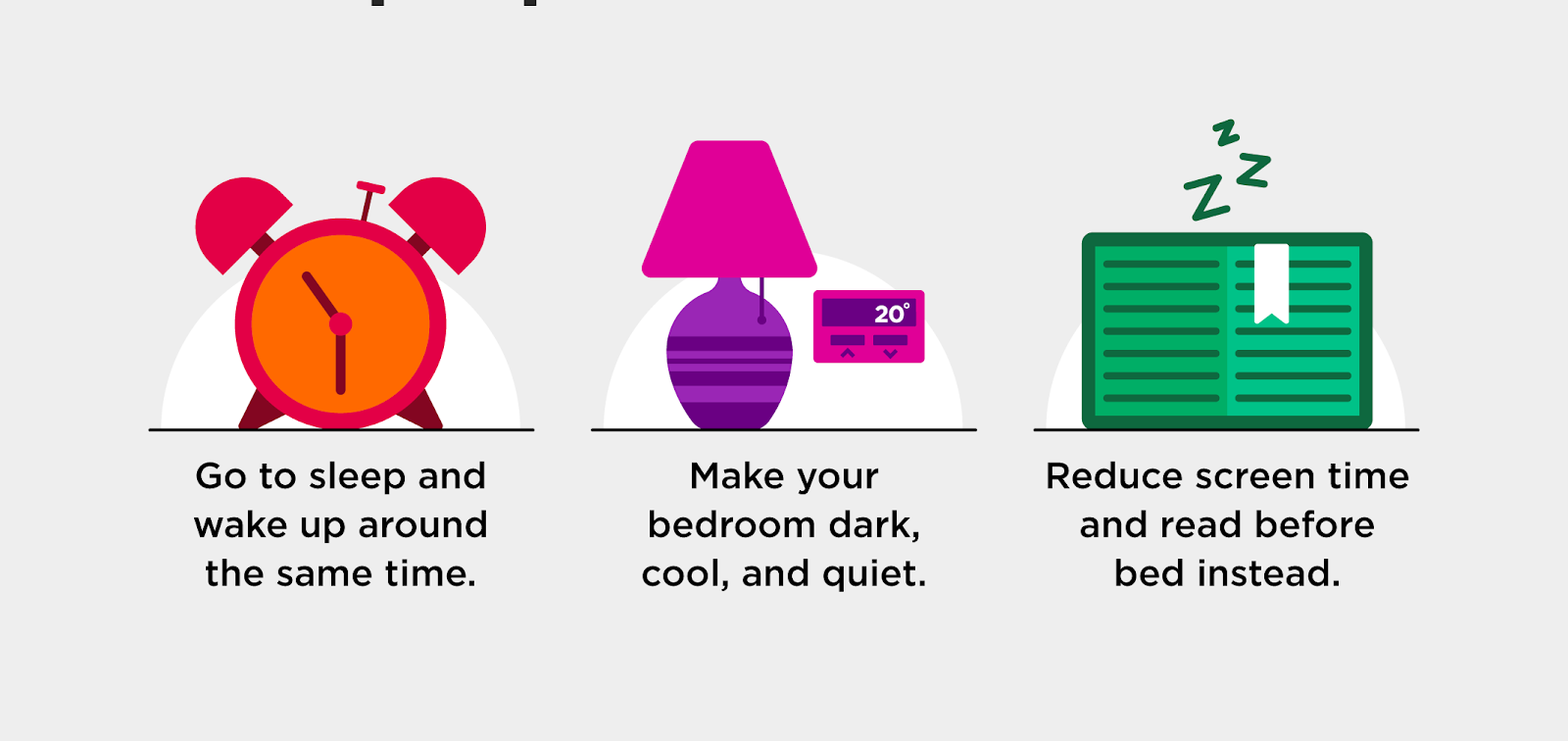
What You Can Do to Feel More Rested
There are some simple habits that can help:
Go to bed and wake up at the same time most days
Put your phone away 30–60 minutes before sleep
Keep your room dark, quiet, and cool
Move your body during the day
Eat regular meals and drink water
Manage stress with breaks and relaxation
Small changes can make a big difference.
Your body needs better sleep quality, balance, and care.
Sleep isn’t just about closing your eyes, it’s about giving your body and mind the rest they truly need.