Zambian Archbishop Banda Faces DEC Interrogation Over Alleged Irregular Vehicle Acquisition, Public Warned
Lusaka Archbishop Dr. Alick Banda has been summoned by the DEC and Zambia Police for questioning over the alleged possession of a Toyota Hilux suspected to be unlawfully obtained from the ZRA. This high-profile investigation, part of a wider probe into ZRA vehicle disposals, has led to public warnings against unlawful assemblies and a solidarity Mass organized by the Catholic Archdiocese, sparking debate on the impartial application of the law.
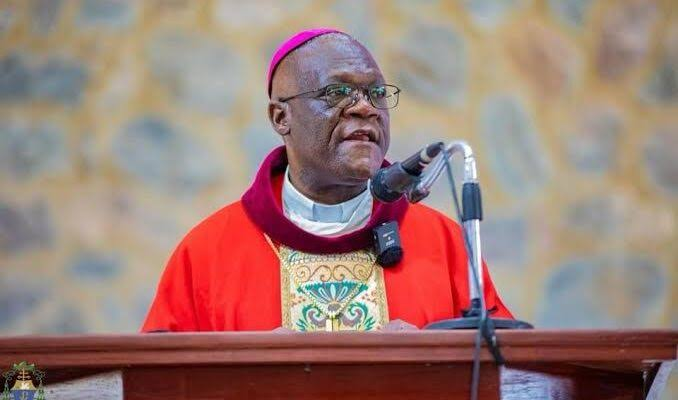
Lusaka Archbishop Dr. Alick Banda was summoned for questioning by the Drug Enforcement Commission (DEC) and the Zambia Police Service regarding his alleged possession of property believed to have been unlawfully obtained.
This development, confirmed in a joint statement by DEC Public Relations Officer Allan Tamba and Police Spokesperson Godfrey Chilabi, follows a warn-and-caution statement recorded on January 5, 2026.
Archbishop Banda was invited to appear before the DEC on Monday, September 28, 2026, in connection with ongoing investigations.
The investigations specifically relate to the offence of being in possession of property reasonably believed to have been unlawfully obtained, pursuant to Section 319 of the Penal Code, Chapter 87 of the Laws of Zambia.
The authorities allege that between April 22, 2021, and December 27, 2023, Archbishop Banda was in possession of a blue Toyota Hilux motor vehicle, bearing registration number ALF 7734, which is reasonably suspected to have been unlawfully obtained from the Zambia Revenue Authority (ZRA).
This particular vehicle is part of a broader investigation involving approximately 22 ZRA motor vehicles alleged to have been improperly disposed of, a matter which has previously led to convictions of other individuals through the courts of law.
In light of the high-profile nature of the investigation, authorities issued stern warnings against any attempts to mobilize crowds or hold unlawful processions.
The DEC and Zambia Police urged members of the public to refrain from engaging in any unlawful assembly, public procession, or any other conduct that might breach the peace or contravene relevant laws.
They clarified that only Archbishop Banda’s legal representative and appropriate persons directly connected with the matter would be permitted to accompany him to the DEC premises, with the Zambia Police Service vowing to take appropriate measures to prevent any unlawful conduct.
In response to the summons, the Catholic Archdiocese of Lusaka organized a solidarity Mass for Archbishop Banda at the Cathedral of the Child Jesus, to be held before his appearance before the DEC.
This act of support was rooted in scriptural principles, emphasizing the vital calling for believers to stand with spiritual leaders during times of persecution, pressure, or targeting from political authorities.
With these biblical passages such as Hebrews 13:3, 2 Timothy 1:16-18, Galatians 6:2, 1 Corinthians 12:26, Ephesians 6:18-19, and Matthew 25:35-40 were cited to underscore the importance of supporting, praying for, and defending leaders who face hardship and opposition, reflecting the unity of the body of Christ and the defense of truth.
The investigation has also sparked significant political and constitutional questions across Zambia, prompting a debate on whether investigating a senior clergyman amounts to persecuting the entire Church, or if it is a legitimate law-enforcement process.
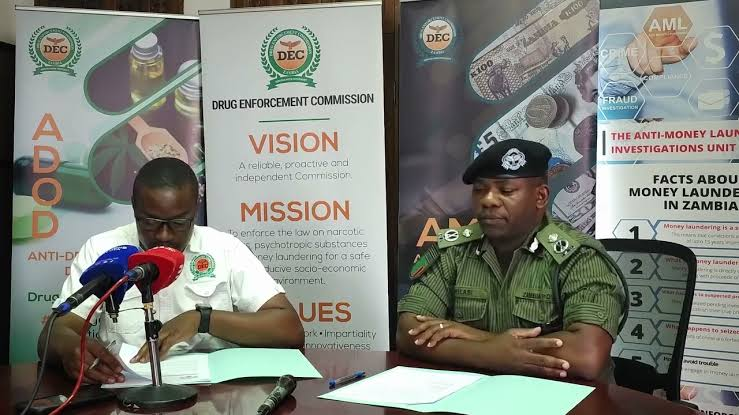
The commentators have stressed the importance of separating these issues, arguing that investigating an individual, even a senior Archbishop, does not automatically equate to persecuting the Catholic Church.
They highlight that religious status, like political connections, wealth, public office, or social standing, should not place anyone above the law.
Conversely, it was also argued that criticism of those in power should not automatically make someone immune from investigation, nor should it make them a convenient target for selective or politically motivated law enforcement.
Therefore, there is a clear call for the government and its law-enforcement institutions to demonstrate that this matter is being handled professionally, impartially, and according to due process.
The ultimate test, it is argued, should not be based on support for Archbishop Banda or any political party, but rather on whether the rule of law is being upheld.
Justice must be blind to political affiliation, religious position, and social status, ensuring that if there is a genuine case to answer, it proceeds through established legal processes without political interference.

Conversely, any evidence of manipulation for political purposes must also be subjected to scrutiny, reinforcing the principle that no one is above the law, and equally, no one should be beneath its protection.