Xenophobia in South Africa: The Act Of Biting the Hands That "Freed" You
Blame the Zimbabwean shop owner, the Nigerian trader, the Mozambican worker, because it’s obviously easier than fixing unemployment, governance, or a constitution that promised equality. South Africa’s xenophobia crisis is back, and it's explaining a whole lot, including deep hypocrisy.
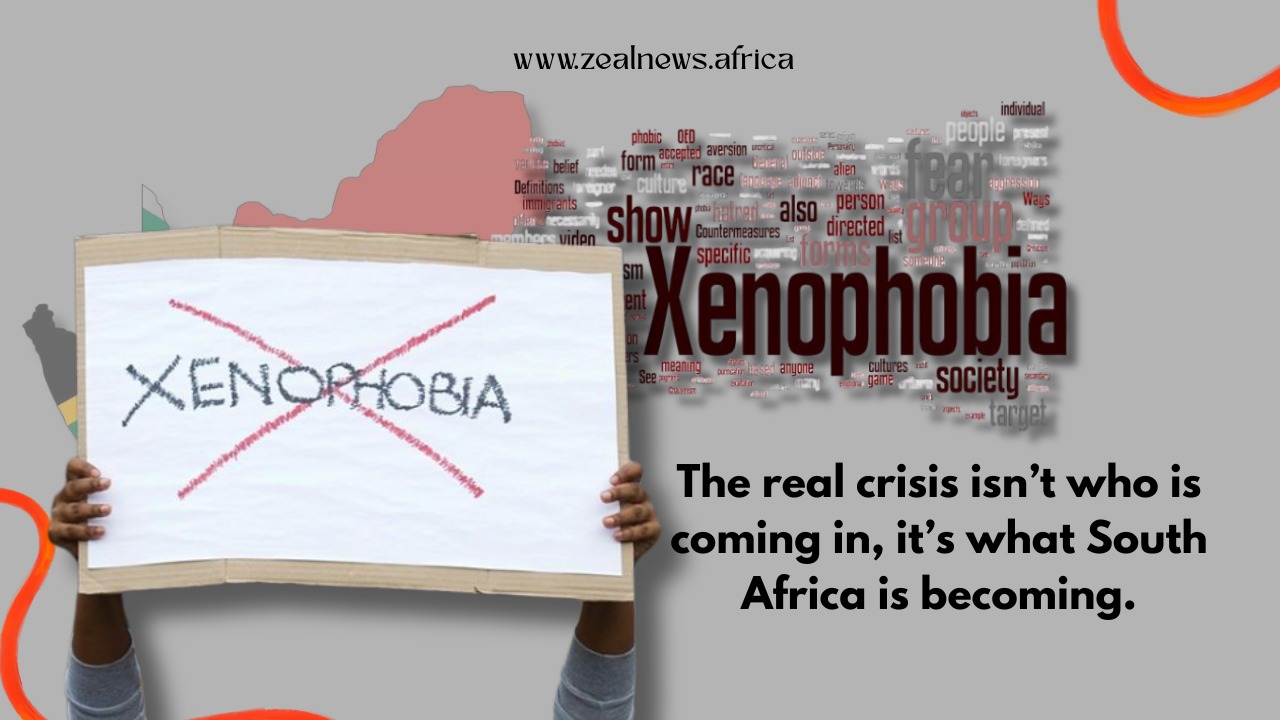
South Africa has a problem. And it is not the Zimbabweans running spaza shops, the Nigerians in Johannesburg, or the Mozambicans in Durban. Those names have become convenient placeholders for frustration, repeatedly blamed for unemployment, crime, and economic pressure.
But they are not the source of the crisis. They are its most visible targets. The real problem is a country that was handed one of the most celebrated constitutions in the world in 1994, one built on dignity, equality, and the rejection of exclusion, has spent the decades since drifting away from those principles, redirecting anger toward the vulnerable instead of confronting the structural failures within its own system.
This week, videos are circulating of South Africans confronting foreign nationals in the streets, demanding documentation, threatening violence, and declaring they are tired of seeing Africans in their country.
Nigerian nationals have reportedly been lynched. A Ghanaian man was surrounded and harassed on camera. The phrase "go back to your country and fix it" is being repeated like it is righteous and not deeply, embarrassingly hypocritical.
Let us talk about all of it, properly.
A History of Hate: How Xenophobia Became South Africa's Most Predictable Pattern
This is not a recent wave of frustration boiling over. Xenophobic violence in South Africa has a documented, recurring, and deadly history that successive governments have consistently failed to address.
The worst recorded outbreak was 2008. Over 60 people were killed in attacks targeting foreign nationals across the country. Communities were burned. People were chased from their homes. It made international headlines and triggered diplomatic crises across the continent.
Then it happened again in 2015, and again in 2019. Xenowatch recorded 170 incidents in 2022 and 2023 alone. The authorities have yet to hold to account the people responsible for past outbreaks of xenophobic violence, including in Durban in 2015 and the 2008 attacks that resulted in the deaths of more than 60 people.
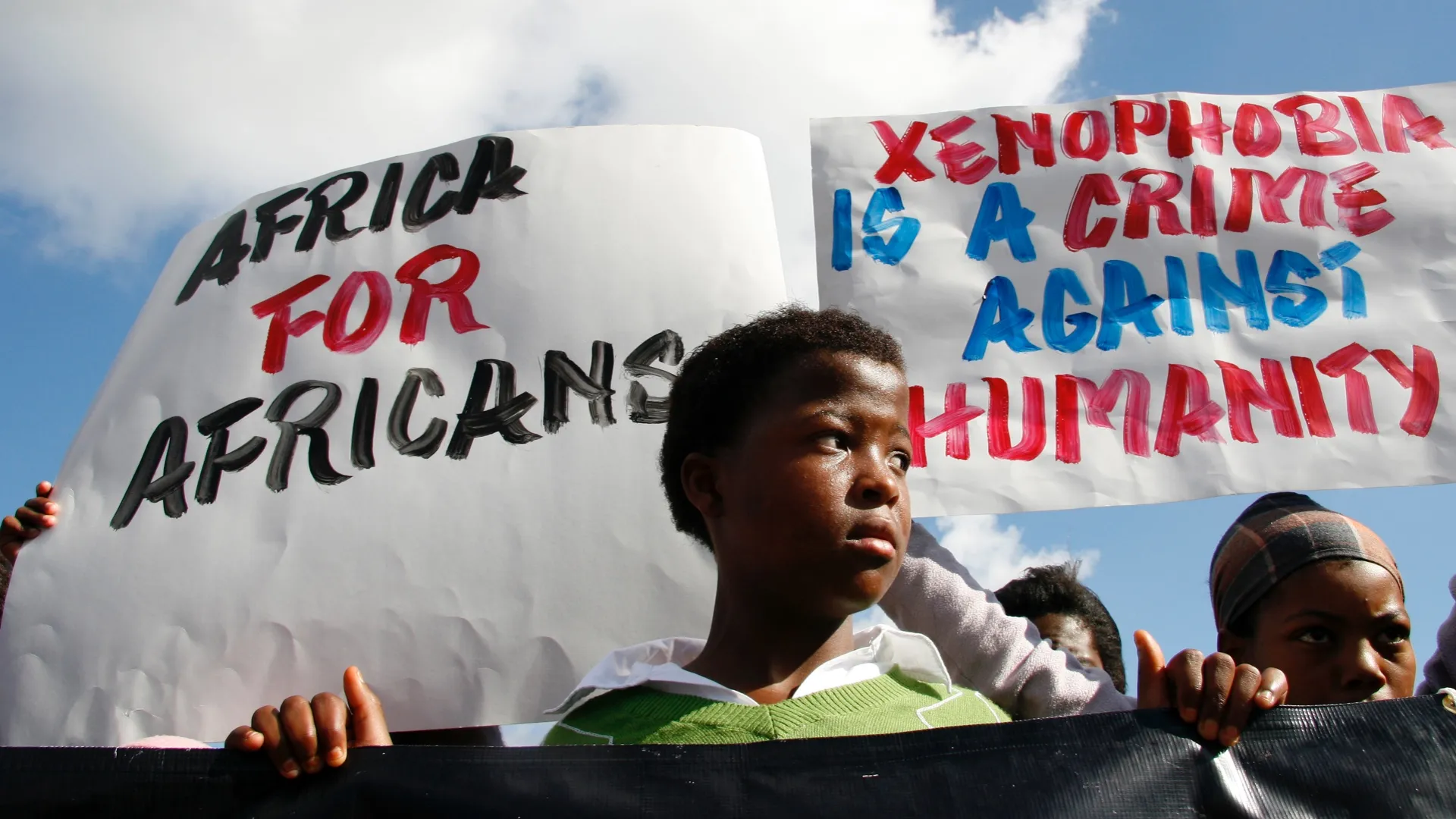
Nobody was meaningfully prosecuted. Nobody in government lost their job. In 2019, South Africa initiated a five-year National Action Plan to combat xenophobia, racism, and discrimination. The plan exists on paper. The attacks continued in practice.
Now in 2026, the videos are back. The confrontations are back. The mobs are back. Because this never actually went away. It just quieted down between eruptions, waiting for the next political speech or economic frustration to give it permission to surface again.
Operation Dudula, the vigilante group at the centre of much of the current anti-immigrant activity, was launched in Soweto, the same Soweto that gave the world the 1976 student uprising against apartheid.
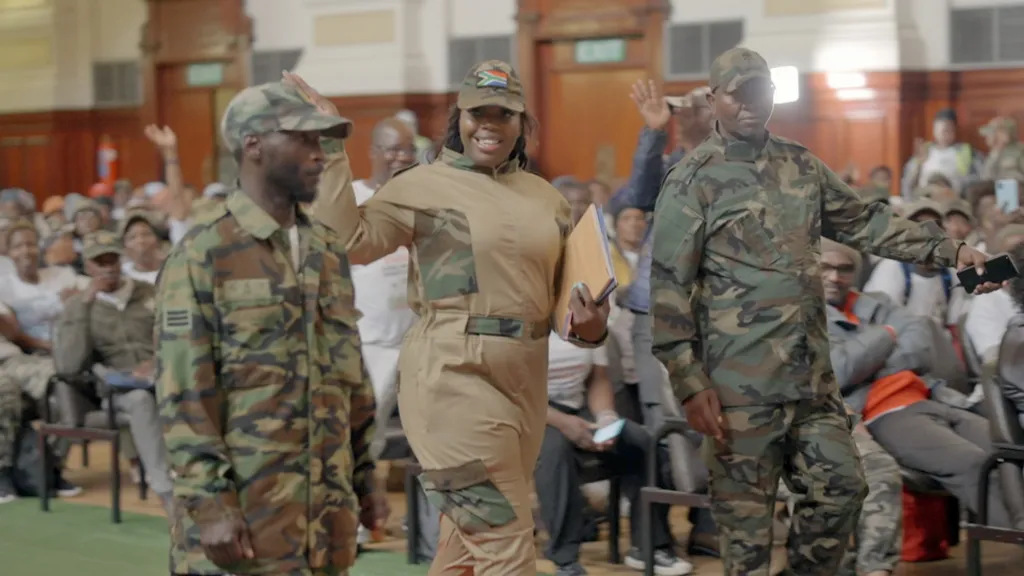
The same Soweto where children were shot in the streets for demanding to be educated in their own language. A xenophobic movement born in the cradle of South African resistance. The irony is not subtle. It is devastating.
The Continent That Built South Africa's Freedom Is Now Being Attacked By It
Here is the part that should make every South African who participates in or endorses this behaviour sit in complete silence.
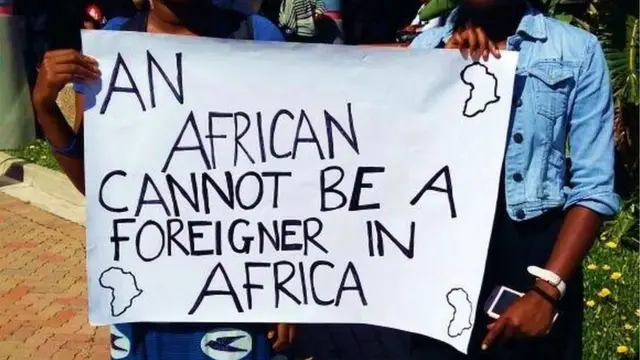
The African National Congress (ANC) did not defeat apartheid alone. It could not have. The apartheid government had military power, economic resources, and international corporate backing propping it up for decades.
Social Insight
Navigate the Rhythms of African Communities
Bold Conversations. Real Impact. True Narratives.
What broke it was internal resistance combined with the unwavering support of neighbouring African countries that sheltered, trained, funded, and protected South African liberation fighters at enormous cost to themselves.
The Frontline States played a vital role in supporting the ANC when it was banned, as well as the many members and political activists who were forced into exile.
They included South Africa's neighbours: Namibia, Botswana, Zimbabwe, Mozambique, Swaziland, and Lesotho, as well as those further north: Angola, Zambia, Malawi, and Tanzania.
Between 1960 and 1995, Nigeria played a pivotal role in ending apartheid in South Africa, investing an estimated $61 billion in financial aid, oil revenue, and diplomatic pressure.
As a "frontline state" despite its distance, Nigeria funded liberation movements (ANC, PAC), issued over 300 passports to activists, and boycotted international events like the 1976 Olympics.

From around 1963, the ANC operated almost entirely from its external mission, with headquarters first in Morogoro, Tanzania, and later in Lusaka, Zambia.
It was in Zambia that the main camps of Umkhonto we Sizwe, the ANC's military wing, were based. Tanzania went out of its way to provide refuge for thousands of ANC and PAC exiles. The PAC headquarters were in Dar-es-Salaam for over three decades.
These impoverished African countries suffered an estimated $30 billion in lost development by 1988 because they chose to stand against apartheid.
Thirty billion dollars. From poor countries. For South Africa.
Now South Africans are surrounding Zimbabwean spaza shop owners and demanding they leave. The same Zimbabwe that housed ANC fighters.
The same Mozambique that paid a devastating economic price for standing against the apartheid regime. The same Nigeria that hosted solidarity movements and severed diplomatic ties with the apartheid government. The same Tanzania that sheltered the ANC for three decades.
This is not just wrong. This is a betrayal so complete it is almost difficult to put into words.
900,000 South Africans Live in Other People's Countries. Nobody Is Burning Their Shops.
Now here is where the hypocrisy becomes impossible to ignore.
South Africans love to talk about foreigners coming to their country. They talk far less about how many of them have quietly packed up and moved into other people's countries, including other African countries.
There were just over 900,000 South Africans living abroad in 2020, steadily increasing since 2000 when the figure stood at about 500,000. And in every single country they have moved to, they have been left alone.
Social Insight
Navigate the Rhythms of African Communities
Bold Conversations. Real Impact. True Narratives.
About 245,000 South Africans were living in the UK as of mid-2024. The British are not burning their shops. Approximately 213,000 South Africans live in Australia.
Australians are not forming vigilante groups to push them out. About 161,000 South Africans live in the United States. Americans are not surrounding them on the street demanding documentation.
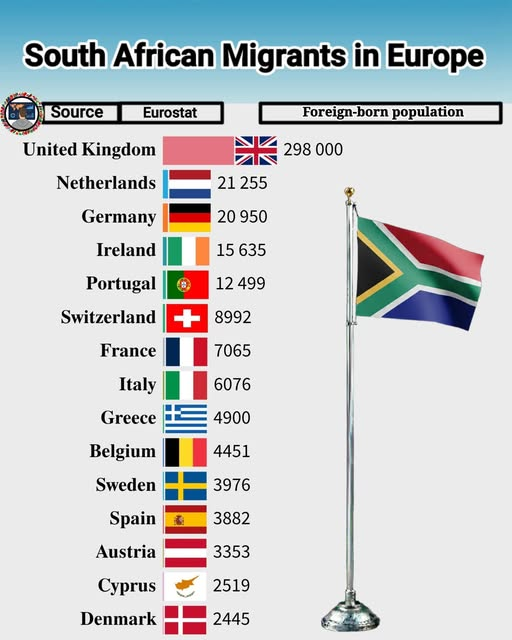
But it goes beyond the UK and Australia. Historically, migration between South Africa and Zimbabwe has been a feature throughout the 20th century, traditionally with mostly white South Africans moving north into Zimbabwe and black Zimbabwean workers temporarily heading south.
South Africans have lived in Zimbabwe, Zambia, Botswana, and Mozambique for generations. They built businesses there. They raised families there. They were welcomed, integrated, and protected.
Not one of those African governments organised mobs to chase them out. Not one of those communities surrounded South African shop owners demanding to see their papers. Not one of those countries told South Africans to go home and fix their own problems.
The people now screaming "go back to your country" are the same people whose own relatives have been quietly building new lives in other people's countries for decades.
The people being told they do not belong in South Africa come from the same countries that opened their doors to South Africans without question.
That is not a small irony. That is the entire argument, collapsed into a single fact.
This Is Racism. The Faces Just Changed.
Call it what it is.
When you target people based on their national origin, attack their businesses, burn their properties, and tell them they do not belong in your country because of where they were born, you are using the exact same logic apartheid used. The ideology is identical.
The dehumanisation is identical. The only thing that changed is who is holding the power and who is being told they do not belong.
South Africa's unemployment rate sits above 30%. Its government has failed to deliver on the economic promises of the post-apartheid era. Infrastructure is collapsing. Load shedding became a way of life. Service delivery protests happen weekly across the country.
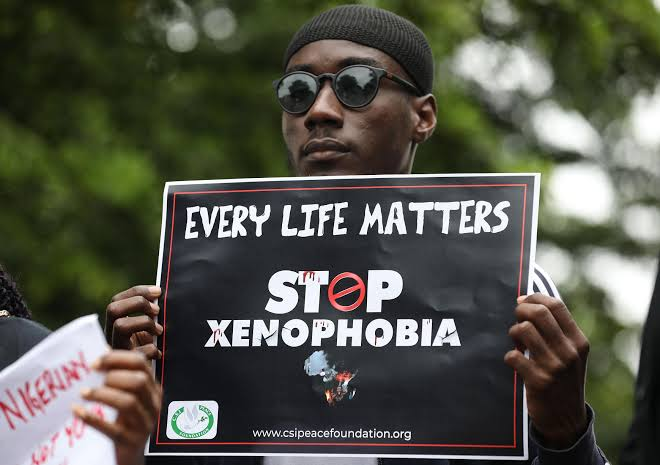
None of that is the fault of the Zimbabwean selling tomatoes in Alexandra. None of it is the fault of the Nigerian running a business in Soweto. None of it is the fault of the Mozambican working in Limpopo.
But it is far easier to burn a foreign-owned shop than to march on Pretoria. It is easier to confront a Ghanaian man on the street than to hold your own government accountable. It is easier to blame the people with less power than to face the people with more.
Scapegoating foreigners for the failures of domestic governance is not a South African invention. It is one of the oldest political tricks in history. What makes it particularly ugly here is the context. This is a country that was itself the victim of an ideology that said certain people did not belong, did not deserve rights, and should be removed from spaces claimed by others.
Social Insight
Navigate the Rhythms of African Communities
Bold Conversations. Real Impact. True Narratives.
South Africa knows exactly what that feels like. It chose to do it anyway.
And I know for sure that Nelson Mandela is rolling in his grave.