When ‘Wole-Wole’ Ruled Nigerian Streets: The Forgotten Era of Sanitary Inspectors
Before modern environmental agencies, Nigeria had feared sanitation officers known as “wole-wole.” This is the story of how sanitary inspectors shaped public hygiene culture across the country.
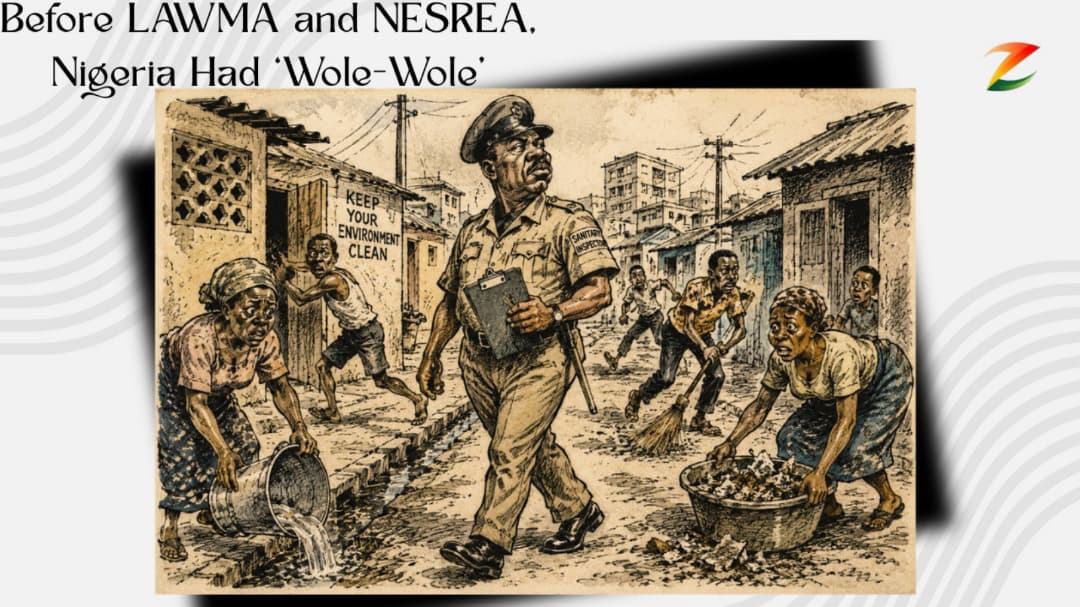
There was a time in Nigeria when hearing that sanitary inspectors were entering your street could throw an entire neighbourhood into panic.
Children were sent to fetch brooms, gutters were cleared hurriedly and bushes around compounds disappeared almost overnight. In many communities, people cleaned not because they suddenly loved sanitation, but because they did not want trouble with the feared “wole-wole” officers.
Older Nigerians still remember them vividly.
In Yorubaland, sanitary inspectors were nicknamed “wole-wole.” In parts of northern Nigeria, they were called “duba-gari,” while some Igbo communities knew them as “nwaole-ala.” Whatever the name, their job was to enforce cleanliness and monitor public hygiene.
Today, many younger Nigerians barely know the profession ever existed.
How the System Started
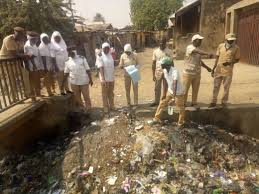
Sanitary inspection in Nigeria began during the colonial era, especially in growing urban centres like Lagos where overcrowding and disease outbreaks worried British authorities.
At first, Nigerians involved in the system worked as sanitary attendants under colonial officers. Their duties were basic: delivering notices, identifying unsafe surroundings, and helping officials communicate with local communities.
But as towns expanded, their responsibilities grew.
They began inspecting neighbourhoods, monitoring water sources, identifying mosquito breeding areas, and reporting unhealthy conditions. Over time, sanitation work evolved into a more organised public health system.
The Man Who Professionalised the Job
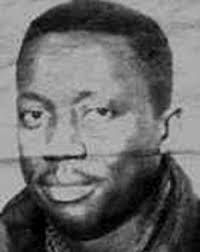
One major figure changed the profession permanently: Dr. Isaac Ladipo Oluwole.
Culture
Read Between the Lines of African Society
Your Gateway to Africa's Untold Cultural Narratives.
After returning from Britain, Oluwole became the first African Medical Officer of Health in colonial Lagos. In 1920, he established the Nigerian School of Hygiene in Yaba, helping train Nigerians as professional sanitary inspectors.
That changed everything.
The officers now handled far more than street inspections. They checked markets, monitored food safety, supervised waste disposal, controlled disease outbreaks, and educated communities about hygiene.
Long before health awareness became radio campaigns and social media posts, these officers moved through neighbourhoods teaching people how to keep their surroundings clean.
Why Nigerians Feared Them

Part of their influence came from how visible they were.
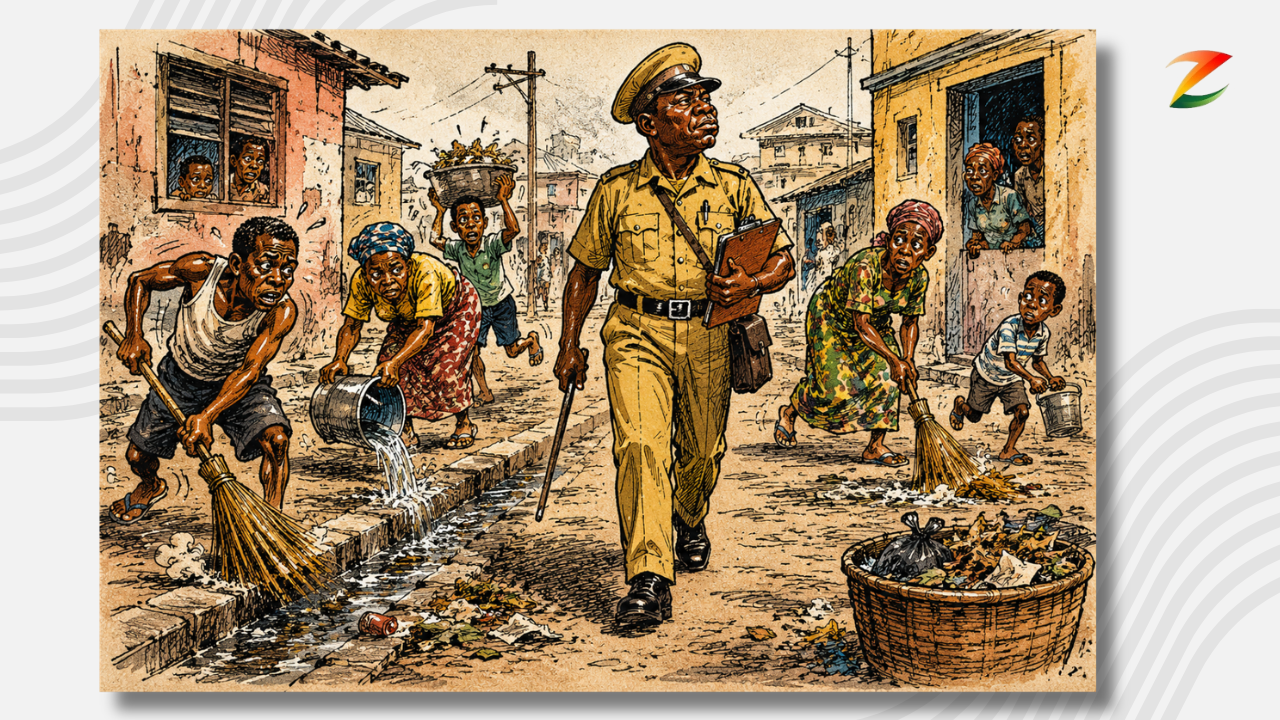
Sanitary inspectors did not stay hidden inside offices. They entered streets, compounds, and marketplaces regularly. If your environment was dirty, there was a high chance somebody would notice.
For many Nigerians, avoiding embarrassment alone was enough motivation to keep compounds clean.
Environmental sanitation laws also carried weight then. Violators could face penalties or public disgrace, and many residents treated “wole-wole” officers with serious caution.
Looking back now, older Nigerians often describe that era as a time when public cleanliness was taken more seriously than it is today.
What Changed?
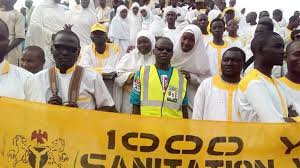
In 1988, the profession officially became known as Environmental Health Officers, showing its wider responsibilities in public health and environmental management.
But while the name modernised, the visibility of the profession slowly faded.
Nigeria’s cities expanded rapidly, waste problems increased, and enforcement weakened in many places. Over time, the strong sanitation culture many communities once recognised became less visible.
Culture
Read Between the Lines of African Society
Your Gateway to Africa's Untold Cultural Narratives.
Today, most conversations about public hygiene happen only during flooding, disease outbreaks, or environmental crises.
That is why memories of “wole-wole” officers still remain strong. For many Nigerians, they represent a period when environmental cleanliness was treated as a public responsibility, not an afterthought.