What Really Happens When You Use Incognito Mode?
You open incognito mode, feel bold, and click things you never would in normal mode. But what really happens when that screen turns dark? This deep dive breaks the myth, the psychology, and the uncomfortable truth about private browsing most people never hear.
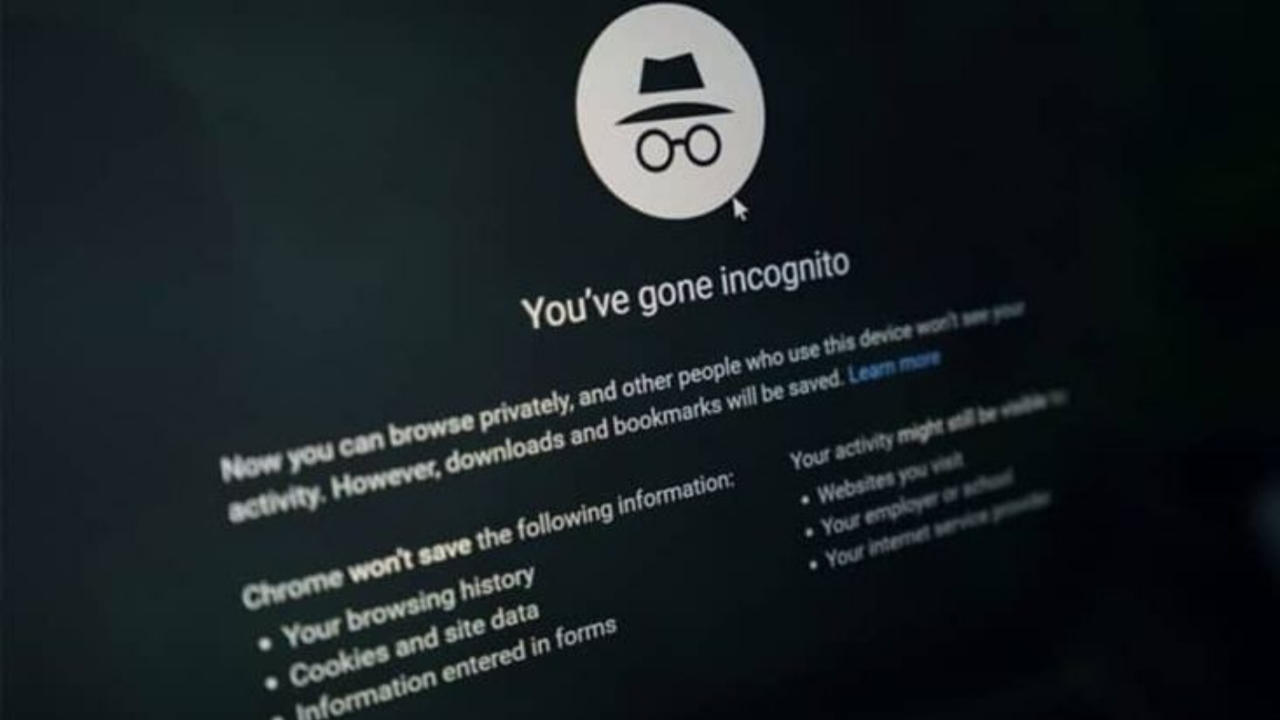
At 1.17 a.m., Tunde switches his browser to incognito mode.
The room is quiet except for the hum of a standing fan that has seen better days. His phone is face down on the bed. His laptop is balanced on his knees. He exhales, clicks the three dots, selects “New Incognito Window,” and waits for the screen to turn dark.
This is the moment he feels brave.
He opens a free movie website his friends sent to the group chat but nobody dared to click earlier.
Then he Googles a question he has been carrying in his head for weeks, the kind of question you never ask out loud because it feels too personal, too embarrassing, too searchable. He scrolls, clicks, and then relaxes.
After all, he is in incognito. Nothing can trace him. Nothing will follow him. Nothing will remember.
Tunde is not reckless. He is just doing what millions of people do every day when they switch to incognito mode. Acting on the quiet belief that this setting is a digital invisibility cloak.
It is not.
The Ritual Before The Risk
Incognito mode has become a pre action ritual. Before the risky click. Before the awkward search. Before the site that looks slightly illegal but promises exactly what you want.
People do not switch to incognito because they understand browser architecture, they switch because it feels safe. Because the screen changes. Because the browser whispers reassurance in soft language about privacy.
What actually happens in that moment is far less dramatic.
When incognito mode opens, your browser simply stops saving certain things on your device. It will not store your history after you close the window. It will not keep cookies from that session. It will not remember what you typed into forms.
That is all.
Incognito mode changes memory behavior, not visibility.
Latest Tech News
Decode Africa's Digital Transformation
From Startups to Fintech Hubs - We Cover It All.
The internet still sees you. Very clearly.
The Confidence That Comes From Misunderstanding
The reason incognito mode feels powerful is because it gives users confidence. And confidence changes behavior.
People type questions they would never want suggested later. They visit forums they would not bookmark. They explore fake websites, pirate platforms, and sketchy downloads because the fear of consequence feels muted.
But confidence built on misunderstanding is fragile.
Incognito mode does not hide your IP address.
It does not encrypt your traffic.
It does not make you anonymous.

Every website you visit still receives information about your connection. Your internet service provider still knows which domains you accessed. If you are on a work or school network, administrators can still log activity.
What Your Browser Deletes And What It Never Touches
It helps to separate two ideas that are often confused. Local data and network data.
Local data lives on your device. This includes browsing history, saved cookies, cached files, autofill entries, and stored passwords.
Incognito mode deletes or avoids saving most of this.
Network data lives outside your device. This includes server logs, IP records, DNS requests, analytics data, and tracker signals.
Incognito mode does nothing to this.
When you visit a website, the request still travels across the internet exactly the same way. Routers still route it, servers still log it, and analytics tools still count it.
The browser is not the internet.
Clearing your browser’s memory does not clear the internet’s memory.
The Trackers You Never See
Modern websites rarely operate alone. They are ecosystems of embedded scripts. Tey consist of analytics tools, advertising pixels, and social media trackers.
When a page loads, these third party elements load too.
Latest Tech News
Decode Africa's Digital Transformation
From Startups to Fintech Hubs - We Cover It All.
They measure how long you stay. What you click. Where you scroll. What device you are using.
Incognito mode does not automatically block these trackers. Some browsers limit cookie persistence, but tracking has evolved far beyond cookies alone.
Browser fingerprinting allows websites to identify users using combinations of device characteristics such as screen size, operating system, browser version, time zone, and installed fonts.
Together, these signals can uniquely identify a user with surprising accuracy.
Incognito mode does not prevent fingerprinting.
In some cases, it can make users more identifiable because fewer stored cookies force sites to rely on more invasive identification techniques.
For years, browsers benefited from the ambiguity surrounding incognito mode. Users assumed privacy. Companies avoided detailed explanations.
That changed when legal challenges forced the issue.
Major browser companies faced lawsuits alleging that users were misled into believing incognito mode prevented tracking by search engines and websites. Court documents revealed a wide gap between user expectations and technical reality.
In 2024, Google agreed to a settlement in a class-action lawsuit alleging that the company misled users regarding the privacy of its Chrome browser's "Incognito" mode, confirming that tracking continued even when "private browsing" was active.
The lawsuit, filed in 2020, highlighted a significant discrepancy between user expectations of anonymity and the technical reality of data collection by Google and third-party websites.
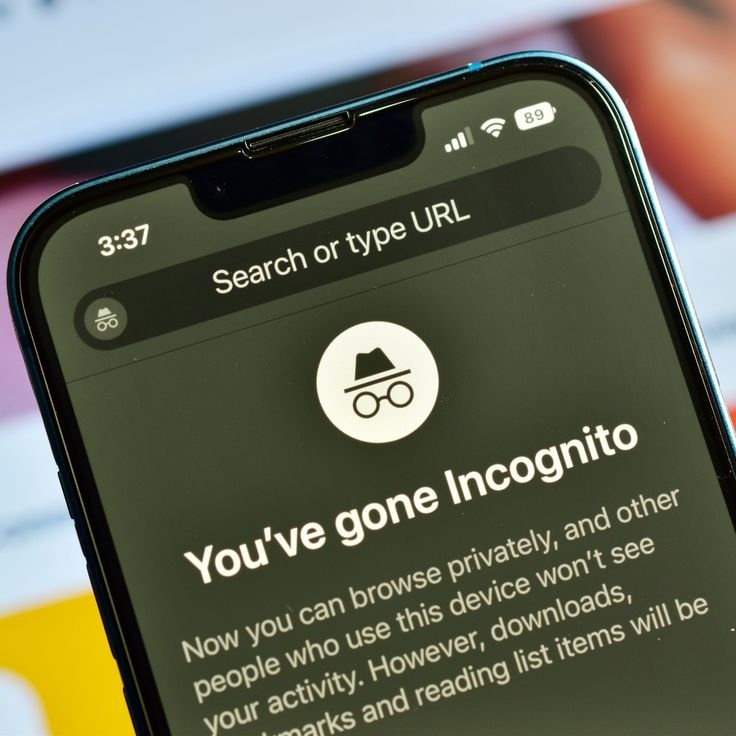
As a result, browser disclaimers became more explicit. Warnings now clearly state that activity may still be visible to websites, employers, schools, and internet providers.
The feature stayed the same, but the myth could no longer.
Why Does The Incognito Mode Still Important?
None of this means incognito mode is useless.
It is genuinely helpful for shared devices. It prevents saved logins on public computers. It allows users to sign into multiple accounts simultaneously. It avoids cached data interfering with website testing.
Latest Tech News
Decode Africa's Digital Transformation
From Startups to Fintech Hubs - We Cover It All.
It also limits how much personalization happens on that specific device during that session.
But its usefulness ends where anonymity begins.
Incognito mode is a convenience feature, not a privacy tool.
Treating it like armor is a mistake.
Then What Are The Dangers Of Incognito Mode?
The real danger of incognito mode is not what it fails to do. It is what people believe it does.
Belief changes behavior.
People take more risks. They click unsafe links. They download suspicious files. They trust fake websites because they think nothing can trace back to them.
Incognito mode does not protect against malware. It does not stop keyloggers. It does not secure public Wi Fi networks.
If anything, the false sense of safety can increase exposure to harm.
The popularity of incognito mode reveals a deeper issue. Digital literacy has not kept up with digital life.
People use the internet daily without understanding how data flows. They confuse browser settings with network privacy. They mistake interface design for security.
Tech companies rarely correct these assumptions unless forced to. Ambiguity is comfortable. Education is not always profitable.
So incognito mode became symbolic. A shortcut to feeling private in a system built to observe.
Back to Tunde at 1.17 a.m.
When Tunde closes his laptop and goes to sleep, his browser forgets everything. The tabs vanish, the history clears, evn the cookies disappear.
But the websites he visited still exist. The servers logged his requests. His ISP routed the traffic. Trackers did their quiet work.
Latest Tech News
Decode Africa's Digital Transformation
From Startups to Fintech Hubs - We Cover It All.
Nothing dramatic happens. No alarm goes off. No one knocks on his door.
That is why the myth survives.
Privacy failures are usually invisible.
Concusion
Incognito mode does exactly what it promises. It just does not promise what people think it does.
It keeps your activity private from other users of your device. Not from the internet. Not from networks. Not from platforms built on data collection.
Understanding this is not paranoia. It is literacy.
And in a digital world where feeling safe is often confused with being safe, literacy is the only real protection left.