What If 'Trauma Response' Is Just Being Human in a Stressful World?
As “trauma response” becomes a catch-all phrase, the line between real trauma and everyday stress is getting harder to see.
You cancel plans at the last minute and someone calls it a trauma response. You overexplain yourself in conversations and someone calls it a trauma response. You cry after a hard day at work and, yet again, someone is ready to diagnose that too.
Somewhere between clinical psychology and the comment sections of TikTok, "trauma response" became the phrase we reach for to explain almost everything uncomfortable about being a person.
But at what point does labelling every emotional reaction as a trauma response stop being helpful and start being a misunderstanding of how the human mind actually works?
What a Trauma Response Actually Is
In psychology, a trauma response is not just any bad feeling. It is an automatic, self-protective reaction triggered in people who have experienced events that overwhelmed their capacity to cope. Think of abuse, assault, severe loss or sustained exposure to danger.
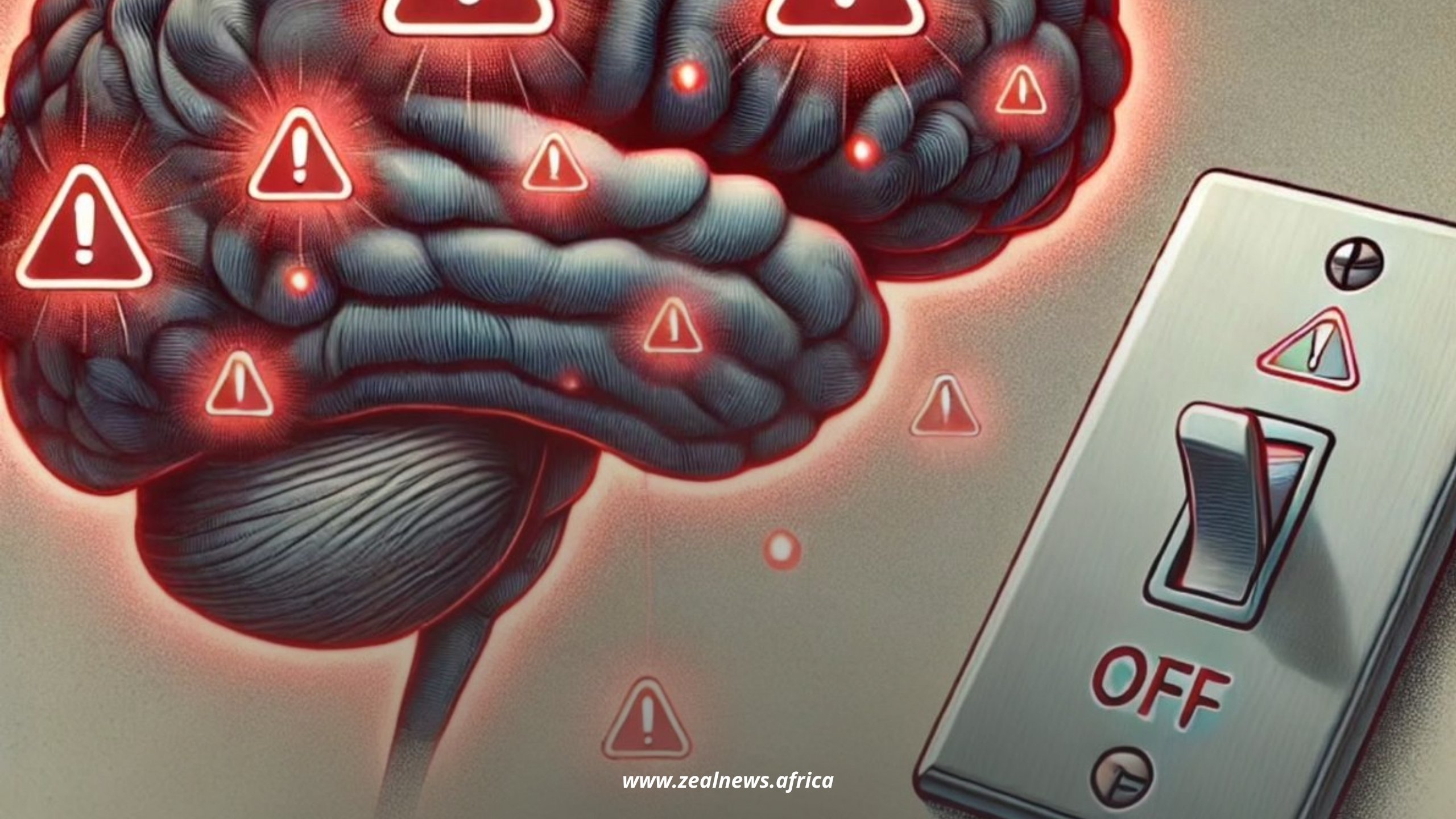
When those events happen, the brain, specifically the amygdala, registers a threat and floods the body with stress hormones. In people with trauma, that alarm system gets stuck.
The body continues responding as though the threat is still present, even when it is not. This is why trauma responses are not conscious choices. They are the nervous system doing the only thing it learned to do to keep you alive.

The difference between this and ordinary stress matters. Stress is the body's normal and often useful response to pressure.
A job interview can make your palms sweat. A tough conversation can keep you up at night. Your cortisol spikes, you get through it, your body settles.
A trauma response does not settle. It lingers, distorts and shows up in situations that bear little resemblance to the original wound.
When Life Itself Becomes the Trauma
If you grew up watching your parents argue about money every month, attended a university that could shut down indefinitely over strikes, graduated into an economy that made your degree feel decorative, or lived through events like the EndSARS protests where the state turned weapons on civilians, the line between "stressful life" and "traumatic experience" starts to blur.
Chronic, systemic stress that could stem from poverty, instability, political violence, food insecurity, can, over time, produce symptoms that look exactly like trauma responses.
Reactions like hypervigilance, emotional numbness, difficulty trusting institutions or people and persistent low-level feeling that something is about to go wrong are bound to show.
This is sometimes called complex trauma — not a single catastrophic event but the accumulation of prolonged adversity. When your environment is consistently unpredictable and unsafe, your nervous system adapts accordingly.

The fawn response, for instance, where a person becomes compulsively agreeable and avoids conflict at all costs, makes complete sense when you grew up in a household where disagreement had consequences.
Hyper-independence, another commonly cited trauma response, tracks perfectly when you were raised in a culture where "nobody is coming to save you" was less of a motivational quote and more of an operational reality.
So is it a trauma response, or is it just what happens to a person who has had to be relentlessly strategic about survival? Sometimes, the answer is both.
How to Actually Work Through It
Whether what you are experiencing is clinical trauma or the compounded weight of a hard life, the path forward is largely the same.
Therapy, particularly trauma-focused approaches like cognitive processing therapy or somatic work, helps the nervous system learn that it is no longer in danger.
Naming what you are feeling, not to perform vulnerability online but to genuinely understand your own patterns, is the first step to not being controlled by them.

Building safe relationships where you are not required to perform a fine mental state helps the body slowly relearn trust.
Physical movement, rest, and community are neurological interventions. The brain changes when the body feels safe consistently over time.
The Uncomfortable Truth About Being Trauma-Free
A completely trauma-free life may not actually exist. The World Mental Health Survey, which covered nearly 69,000 adults across 24 countries, found that 70 percent of adults had experienced at least one traumatic event.
If the majority of people carry some version of this, then perhaps the goal is not to arrive at a pristine, unaffected self, but to develop enough self-awareness and enough support that your history does not silently author your present.
The problem with casually calling everything a trauma response is not that people are lying about their pain.
It is that when we flatten the word, we risk trivialising severe psychological injury while also making it harder for people to distinguish between patterns that need professional support and patterns that need time, perspective and a decent night's sleep.
You are allowed to be a full, complicated, reactive human being. Not every difficult feeling is a wound. And not every wound is permanent.
Meta Description:
As “trauma response” becomes a catch-all phrase, the line between real trauma and everyday stress is getting harder to see.
Tags:
#Traumaresponse, #Mentalhealthawareness, #Chronicstress, #Psychologyandsociety