What Happens When ₦8.57 Trillion Floods Nigeria’s Banking System?
Up to ₦8.57 trillion could flood Nigeria’s banking system this week. What will the CBN do with the excess liquidity?
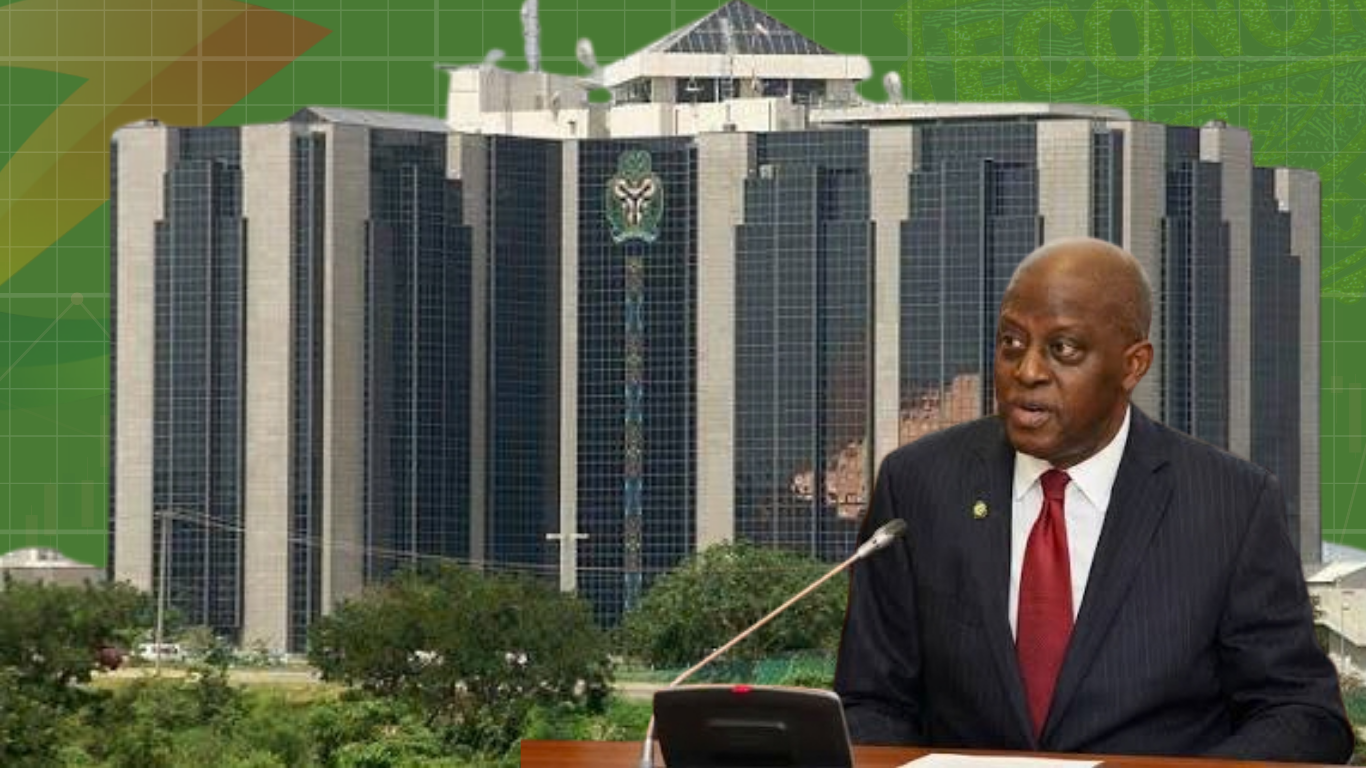
Nigeria's banking system could be awash with as much as ₦8.57 trillion in liquidity this week, putting the Central Bank of Nigeria (CBN) in a position where it may have to decide how much of that money should remain in the financial system.
The possible surge comes as ₦2.59 trillion is expected to enter the banking system through maturing Open Market Operations (OMO) bills and bond coupon payments.
Nairametrics’ analysis of CBN financial data shows that net system liquidity had already risen to ₦5.98 trillion by September 25, from ₦2.86 trillion a week earlier.
For ordinary Nigerians, figures like ₦8.57 trillion can sound distant from everyday life. But liquidity affects how much money banks have available, short-term interest rates and the wider financial conditions businesses and consumers operate in.
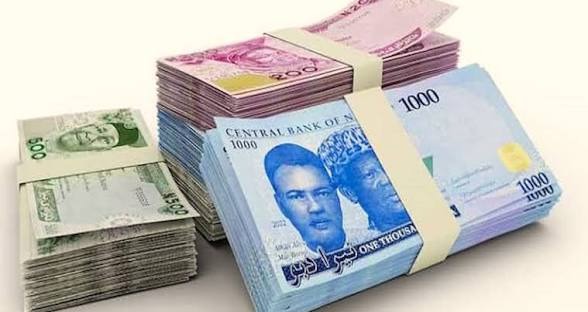
Where Is the ₦8.57 Trillion Coming From?
A major part of the expected increase is linked to OMO maturities.
About ₦2.43 trillion in OMO bills is scheduled to mature this week, while bond coupon payments are expected to provide additional funds. Combined, the potential injection is estimated at around ₦2.594 trillion.
This comes after the banking system received roughly ₦2.3 trillion from OMO repayments on September 22.
The size of the liquidity build-up means the CBN could face another decision over whether to absorb some of the excess cash through fresh OMO sales or other liquidity-management measures.
As one way of looking at it, the banking system is receiving a large amount of cash at a time when monetary policy has also just become more accommodative.
Banks Are Already Holding Billions in Excess Cash
The signs of abundant liquidity are already visible in the money market.
Banks placed more than ₦7 trillion at the CBN's Standing Deposit Facility (SDF) during the previous week, according to the report.
That means banks had substantial funds they were willing to deposit with the central bank rather than deploy elsewhere.
Meanwhile, overnight lending rates fell to 20.77%, while the funding rate declined to 20.40% week-on-week.
The movement comes shortly after the CBN's Monetary Policy Committee reduced the Monetary Policy Rate by 350 basis points to 23% at its September 21–22 meeting. The CBN also recalibrated its Standing Facilities Corridor to +50/-300 basis points around the MPR.
In simple terms, the financial system is moving into a period where both liquidity and monetary policy are pointing in a different direction from the tighter conditions seen earlier.

Treasury Bills Are Already Responding
The change is also being felt in Nigeria's fixed-income market.

Following the rate cut, Treasury bill yields moved lower, with the average Nigerian Treasury Bills yield falling by about 90 basis points to 17.89%, according to the Nairametrics analysis.
At the latest NTB auction, the Debt Management Office offered ₦500 billion across three maturities and received about ₦4.2 trillion in subscriptions.
The eventual allotment was about ₦497 billion, while stop rates fell to 15.50% for 91-day bills, 15.80% for 182-day bills and 15.89% for 364-day bills.
That heavy demand tells its own story: investors are still interested in government securities even as yields are coming down.
As the market adjusts, the big question becomes whether the CBN's latest rate cut will continue pushing borrowing and investment conditions lower, or whether renewed liquidity-management operations will slow that movement.
The CBN's Next Move Could Matter
The projected ₦8.57 trillion liquidity level could become an important test for the CBN.
If banks retain a large portion of the incoming funds, excess liquidity could continue putting downward pressure on short-term money-market rates. But if the CBN absorbs some of the cash through OMO sales, the effect could be moderated.
That is where the central bank's balancing act comes in: it wants monetary policy to support economic activity while still keeping liquidity conditions under control.
The situation can be summed up simply: “Too little money can tighten the system; too much money can create another problem.”
For businesses and investors, the coming days could therefore provide an early indication of how the CBN's new, more accommodative policy stance will work alongside its liquidity-management strategy.
Conclusion
Nigeria's banking system is entering the new week with a potentially large liquidity injection on the horizon, following substantial OMO maturities and bond payments.
The CBN has already lowered the MPR to 23%, and money-market rates have begun responding. Now, with billions more potentially entering the system, attention will turn to what the central bank does next.
The real story may not be the ₦8.57 trillion itself, but what happens to that money once it enters the system.