Nigeria's Debt Has Risen by N7.51 Trillion in Six Months. What Is the Country Borrowing For?
Nigeria’s debt has risen by N7.51 trillion to N166.79 trillion in six months. Here’s where the new borrowing came from and the conditions attached.
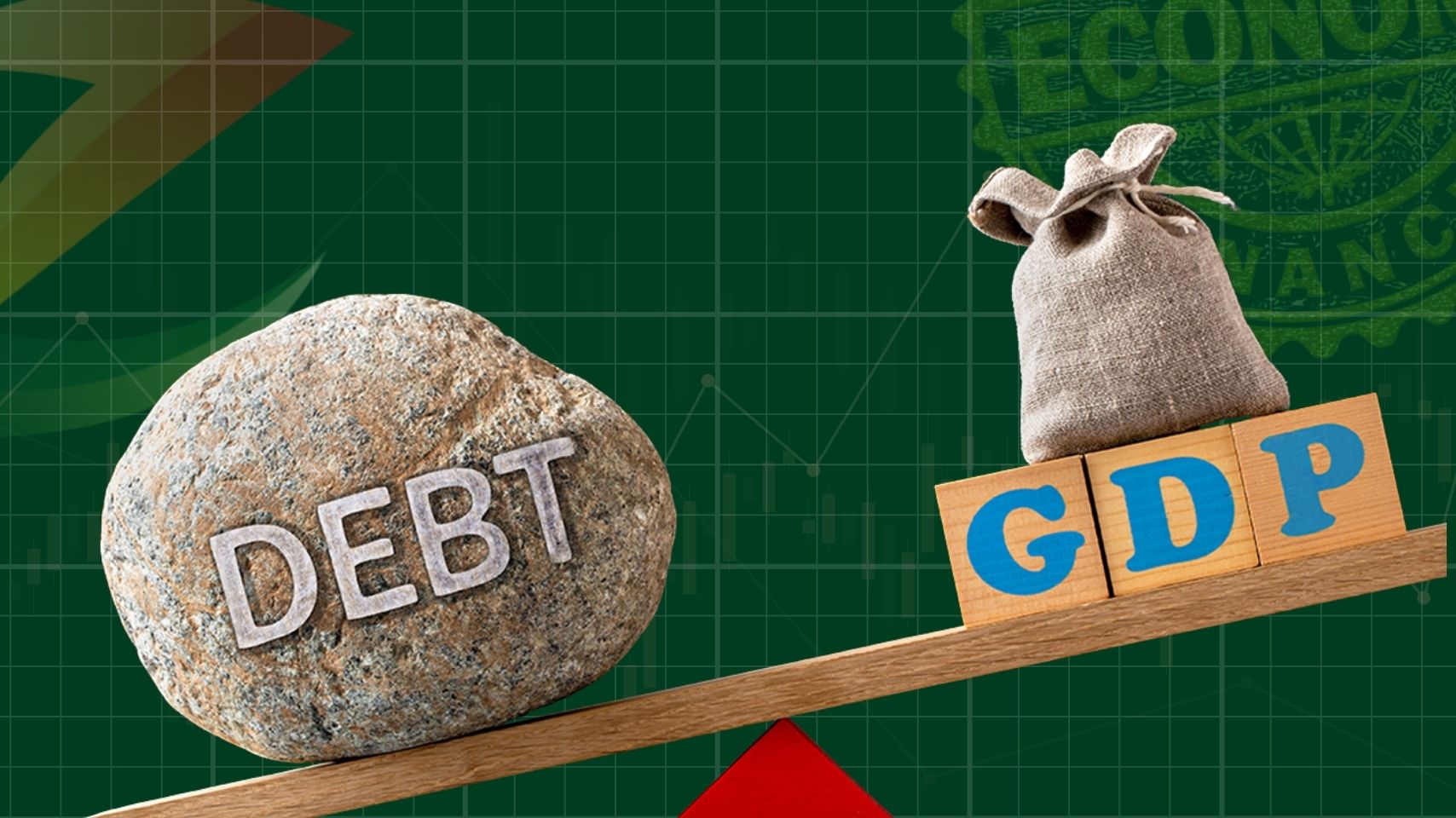
Nigeria’s debt now stands at N166.79 trillion, a rise from the N157.27 trillion debt amount it closed 2025 with.
In just six months, a notable increase of N7.51 trillion clings to the national debt amount. This comes at a moment when fuel subsidies cease to exist and the pump price is parallel to the dollar price, VAT pressure is climbing and the average Nigerian is yet to feel the benefit from the reforms that were supposed to justify the pain.
Amid all these economic brouhaha, it becomes pertinent to ask: where did the money go, and what are the set terms for borrowing it?
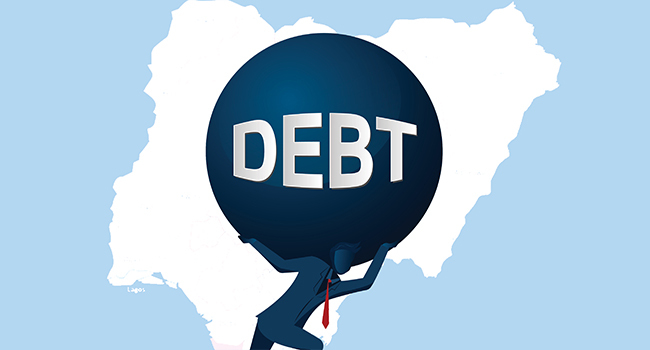
How Nigeria's Debt Grew By N7.51 Trillion
The Debt Management Office's latest figures put domestic debt at N91.59 trillion and external debt at N75.2 trillion as of mid-2026.
Domestic borrowing grew faster in percentage terms, which tracks with a government leaning on treasury bills and bonds to plug budget gaps that oil revenue and tax collection still can't close alone.
The external side is where the more specific borrowing decisions were made, and where the conditions attached to that money actually differ from loan to loan.
Where The New Borrowing Came From
There are three sources that account for most of the fresh debt added this year.
The National Assembly approveda $6 billion external package, with $5 billion from Abu Dhabi's First Abu Dhabi Bank for budget support and debt servicing, and $1 billion from Citi Bank and UK Export Finance for Lagos port rehabilitation.
Nigeria has already drawn down $1.5 billion of the Abu Dhabi facility. This is a structure some economists have questioned given that Nigeria still has working access to the Eurobond market.
Separately, the World Bank approved a fresh $1.25 billion loan in June, tying it to a Development Policy Financing operation branded NAIJA DPF. This new loan also comes with a new six-year Country Partnership Framework running through 2032.
That approval came despite visible public backlash, with Nigerians flooding the World Bank's own social media accounts asking it to stop lending to a government they feel is not converting debt into visible relief.
The 2026 budget itself was also revised upward to roughly $49.38 billion, a 17% increase from the original proposal.
A wider budget means a wider deficit, and that deficit is being financed with more debt.
What The Subsidy Removal Actually Bought
Fuel subsidy removal in 2023 was presented as the reform that would end Nigeria's borrowing spiral.

Petrol prices tripled. Transport and food costs followed. But subsidy removal was not a sacrifice for the borrowing. It was a checklist for the 2024 World Bank package, which released its second tranche only after Nigeria had already removed the subsidy and unified the exchange rate.
The loans added in this current six-month period have different sets of conditions.
The NAIJA DPF facility is not tied to subsidy removal again, since that box was already ticked. Its Disbursement-Linked Indicators this time centre on domestic revenue mobilisation and measurable job-creation benchmarks, which in practice means broader taxation and tighter fiscal reporting.
Technically, subsidy removal did not stop the borrowing, and it also isn't what is buying the newest money. What is buying it now is Nigeria agreeing to tax more and prove it on paper.
The Conditions Attached To Each Loan
Conditions are not identical across this N7.51 trillion. The NAIJA DPF facility, like its 2024 predecessor, is concessional and cheap, but every tranche depends on Nigeria demonstrating specific policy actions before the money is released. If the benchmark is missed, and disbursement will be withheld.
The Abu Dhabi and Citi/UK Export Finance loans work differently. They are commercial and bilateral so their real price is interest cost and repayment timeline.
Export credit facilities like the UK one typically also require that a share of the financed work go to British contractors or suppliers, a form of tied procurement that shapes who benefits from the port rehabilitation money even though Nigeria carries the debt alone.
Older Chinese infrastructure loans carry a different kind of condition entirely: contracts and materials tied to Chinese firms and this limits how much of that financing circulates inside Nigeria's own economy.
None of these terms are secret in the sense that they don't exist. They are secret in the sense that full agreements rarely reach the public before lawmakers approve them, and past attempts by the National Assembly to scrutinise loan terms were discouraged on the grounds that scrutiny itself could damage Nigeria's borrowing reputation.
A Second Track Of Leverage: The US Mining Deal
Loan conditionality isn't the only way outside powers are gaining ground over Nigeria's resources right now.
Days before the DMO released these debt figures, Nigeria and the United States signed a Critical Minerals Framework Agreement in New York and opened its doors to American investment in lithium, rare earths, gold, and other minerals Nigeria values at roughly $700 billion.
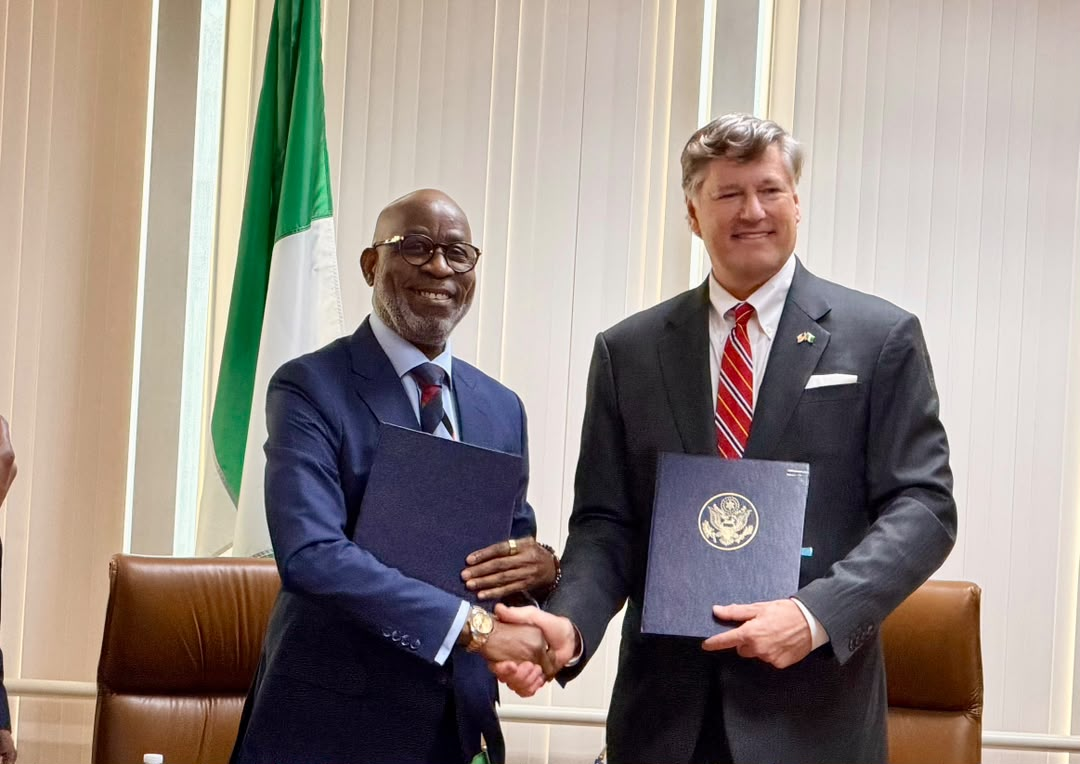
The deal covers exploration, processing, and infrastructure, and was explicitly framed as competing with China's existing dominance in Nigeria's lithium sector.
There is no confirmed link between this agreement and the debt released the same week. It is not a loan-for-minerals swap, and no DMO document ties the two together.
But the timing deserves a critical look. Nigeria is deepening its exposure to a small group of external creditors at the same moment it is opening its most valuable untapped resource base to another foreign power, from a negotiating position arguably weaker than it was a decade ago.
What This Means For Nigerians
More than 80% of government revenue already goes toward debt servicing. Another N7.51 trillion grows the base it calculated against.
Every naira leaving the country to service old loans is a naira that isn't going into infrastructure.
Subsidy removal, sold as the trade-off that would end the cycle, didn't. It bought one round of loans, and this year's new borrowing came with its own separate demands, mostly aimed at how much tax Nigerians pay and how well the government can prove it.
The debt keeps climbing regardless. The conditions keep shifting and what Nigerians got in exchange for their own sacrifice remains, six months and N7.51 trillion later, still unanswered.