US Travel Boost: Kampala Confirmed as Key Visa Hub for African Visitors
Kampala has been retained as one of only 20 US visa processing hubs in Africa, a decision stemming from a major restructuring by the U.S. State Department. This move positions Uganda as a key regional gateway, though it aligns with a broader trend among Western governments towards regionalization, often favoring Nairobi as East Africa's diplomatic center. Kampala's substantial visa demand and strategic importance reinforce its current status amidst an evolving global consular landscape.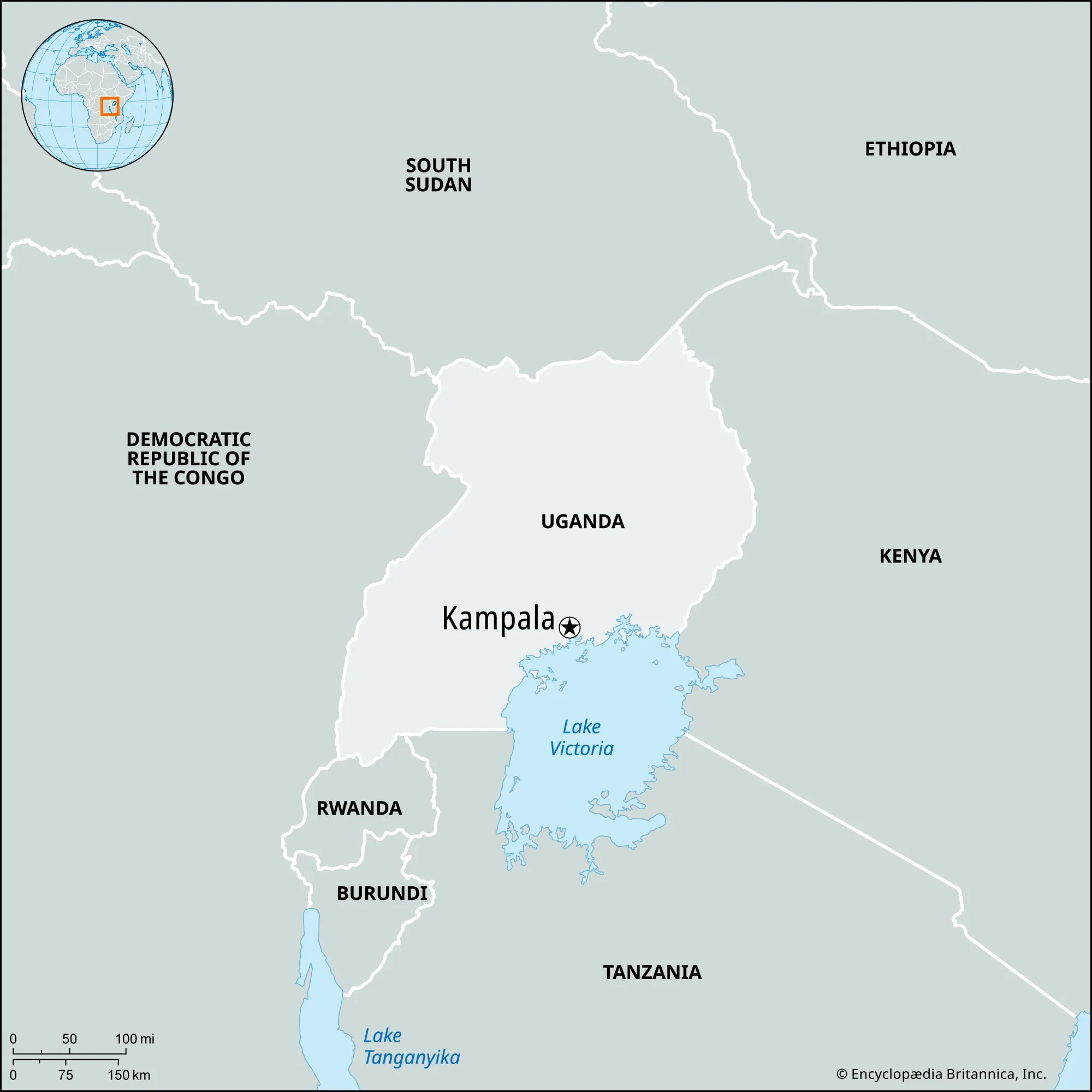
Kampala, Uganda, has been designated as one of only 20 US visa processing hubsacross Africa, a decision stemming from a significant restructuring plan initiated by the administration of President Donald Trump.
This strategic positioning places Uganda as a vital regional gateway for individuals seeking entry to the United States, amidst a broader continent-wide reduction from nearly 50 to just 20 operational visa-processing embassies and consulates.
The move, detailed in an internal State Department memo, aims to centralise consular operations and tighten immigration controls.

Kampala's inclusion among these critical hubs, alongside other prominent African cities such as Nairobi, Kigali, Dar es Salaam, Johannesburg, Lagos, Accra, and Addis Ababa, highlights its continued importance to Washington's diplomatic and security interests in the region.
However, diplomatic observers note that this decision by the U.S. State Department aligns with a long-standing trend among Western governments towards regionalization of consular services.
Over the past decade, several European countries have already consolidated their migration and consular processing functions, often shifting them from smaller missions to larger regional centres. Nairobi, in particular, has increasingly solidified its role as East Africa's diplomatic and consular nexus.
Examples of this regional shift include Norway, which closed its embassy in Kampala in July 2024, subsequently handling diplomatic relations with Uganda through its embassy in Dar es Salaam, Tanzania, and processing all Ugandan visa applications for Norway via its embassy in Nairobi, Kenya.
Similarly, Sweden has centralised much of its migration processing through Nairobi. While the Swedish Embassy in Kampala remains operational for consular assistance, migration-related applications are directed to Nairobi, with interviews and biometric collection sometimes still conducted in Uganda.
Against this backdrop, the U.S. decision to retain Kampala, while significant, raises questions about its long-term stability within this evolving global consular landscape.
Analysts ponder whether Kampala is firmly integrated into this new stable network or merely benefiting from a transitional phase as Washington refines its global consular footprint.
The concern among some observers is the gradual gravitational pull of East Africa's visa ecosystem towards Nairobi, which has already emerged as a dominant regional hub for various Western governments.
Nevertheless, several structural factors appear to reinforce Kampala's position. Uganda hosts one of the largest U.S. diplomatic missions in East Africa and remains a crucial partner in regional peacekeeping and security cooperation, particularly in counterterrorism efforts.
Furthermore, the embassy handles substantial visa demand, which strengthens its case as a viable long-term processing hub. The State Department's decision indicates that, for the current restructuring phase, the Kampala mission meets Washington's operational thresholds for security screening, staffing capacity, and demand management.
For Ugandan applicants, the immediate impact is minimal, as visa processing will continue locally in Kampala.
However, the broader regional trend suggests that future consolidations could lead to further concentration of services in a smaller number of East African capitals, with Nairobi often seen as the primary candidate in such scenarios.
For the foreseeable future, Kampala remains a key component of the United States' reduced yet strategically vital network of visa-processing hubs in Africa, even as the ultimate structure of this network continues to evolve.