Urgent Quest: Scientists Race to Develop New Ebola Vaccines in Congo
Despite an ongoing Ebola outbreak in the DRC and Uganda, new funding of up to US$62 million is fast-tracking the development of three promising vaccine candidates against the Bundibugyo strain. Existing vaccines are ineffective against this strain, making these new developments crucial. While challenges remain, these candidates offer hope for future outbreak control.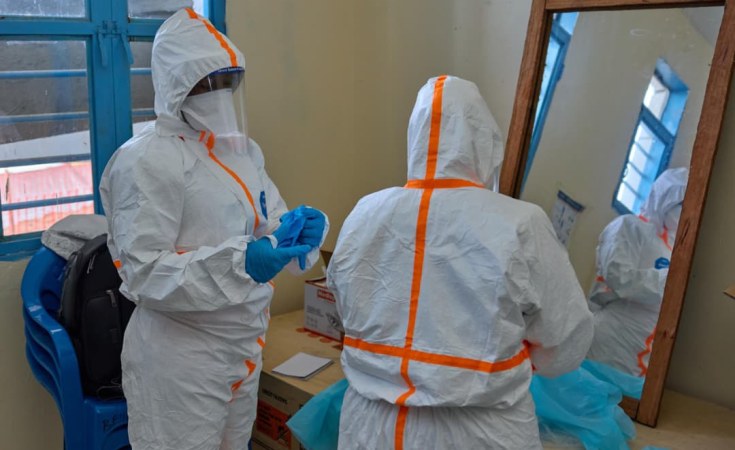
In a rare turn of positive news amidst public health concerns, two significant developments have emerged concerning the ongoing Ebola outbreak in the Democratic Republic of the Congo (DRC) and neighboring Uganda. Authorities have downgraded the confirmed numbers of Ebola deaths and cases, while new funding of up to US$62 million has been secured to accelerate the development of vaccine candidates. As of June 2 local time, health authorities in the DRC reported 344 confirmed cases, including 60 confirmed deaths, a significant reduction from previous estimations of over 1,000 suspected cases in the region. Uganda has reported 15 confirmed cases, with one death. This current outbreak, centered in the Ituri province of northeastern DRC, is particularly challenging due to conflict, displaced populations, large migrant communities, and poorly resourced health facilities.
A critical challenge in controlling this specific outbreak is the strain of the virus involved: the Bundibugyo Ebola virus. While two approved Ebola vaccines exist, Ervebo and Zabdeno/Mvabea, they are effective only against the Zaire Ebola virus. This is due to different surface proteins targeted by the vaccines, rendering the existing solutions ineffective against the Bundibugyo strain. Therefore, the immediate need is for a vaccine specifically designed to combat the Bundibugyo virus, a gap that the new funding aims to address.
The Coalition for Epidemic Preparedness Innovations (CEPI) has provided the crucial funding, aiming to fast-track the development of the first approved human vaccine specific to the Bundibugyo virus. This support is intended to facilitate clinical trials as quickly as possible, ensuring that a safe and effective vaccine can be made available rapidly should candidates prove successful. Three promising vaccine candidates are currently at different stages of development, all receiving this expedited support.
The first candidate, from the International AIDS Vaccine Initiative (IAVI) in collaboration with the University of Texas Medical Branch, has been called the “most promising candidate vaccine” by a World Health Organization (WHO) expert panel. This single-dose vaccine utilizes an approach similar to the approved Ervebo vaccine. It has demonstrated protection against the Bundibugyo virus in macaque monkeys, although it has yet to be tested in humans. Clinical trials for this candidate are estimated to be seven to nine months away.
The second candidate is an mRNA-based vaccine developed by Moderna, the United States-based pharmaceutical company known for its COVID mRNA vaccines and an approved mRNA vaccine against respiratory syncytial virus (RSV). This vaccine specifically targets the surface glycoprotein of the Bundibugyo virus. The recent funding will support both preclinical studies, involving animal or laboratory testing, and subsequent human clinical trials.
The third candidate is a collaboration between the University of Oxford and the Serum Institute of India. This vaccine is based on the ChADOx1 viral-vector platform, which was also the foundation for the Oxford/AstraZeneca COVID vaccine. While testing for this candidate is just beginning, and the WHO expert panel noted the need for additional animal data, it is projected to enter human clinical trials within two to three months. Experts suggest a single dose could be effective for contacts of Ebola cases, while high-risk, unexposed populations like healthcare workers and front-line responders might require two doses. This group has previous experience developing vaccines against another Ebola strain, with some candidates already tested in early-phase human clinical trials.
Despite the promising developments, significant challenges remain in the journey from vaccine development to widespread implementation. Vaccines must demonstrate both safety and efficacy, receive stringent regulatory approval, be manufactured at scale, and then efficiently transported and delivered to populations. Furthermore, issues such as vaccine uptake, negative perceptions, and misinformation can complicate recruitment for clinical trials, particularly for healthy volunteers in non-affected countries. Later-phase clinical trials typically occur in affected regions, which are often remote, possess limited healthcare resources, and may be conflict zones, further complicating the conduct of necessary studies to confirm safety and effectiveness.
Ultimately, a successful vaccine would drastically improve the ability to control the current outbreak and provide a vital tool for protecting against future Bundibugyo virus outbreaks. However, until such a vaccine is widely available, basic infection control measures will remain the primary method for managing the ongoing situation.