Urgent Legislative Action: Senate Moves to Update Antiquated Quarantine Act Amidst Ebola Threat
Nigeria's Senate is moving to amend its 1926 Quarantine Act, aiming to update public health laws following a confirmed Ebola case in Abuja. The legislative effort emphasizes mandatory health screenings at all entry points, immediate emergency funding, and robust inter-agency collaboration to prevent a wider public health crisis.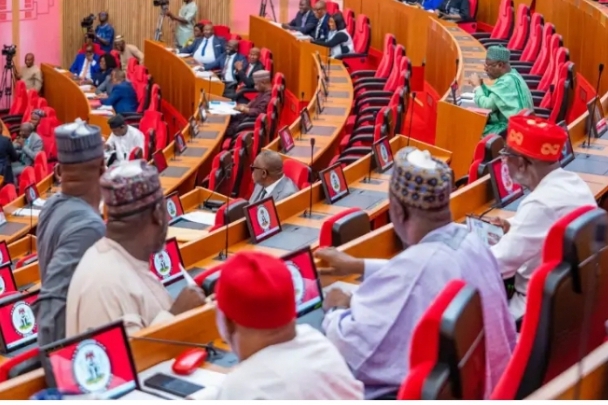
Nigeria's Senate has initiated a critical process to amend the nation’s outdated Quarantine Act of 1926, aiming to modernize it in line with contemporary public health standards and International Health Regulations. This urgent directive was spurred by the recent confirmation of an Ebola case in Abuja, highlighting the immediate need for a robust legal framework to manage infectious disease outbreaks.
Senate President Godswill Akpabio issued the directive during a recent plenary session, instructing the Senate Committee on Judiciary to collaborate with the executive arm of government and relevant health authorities. Their mandate is to develop comprehensive proposals for reviewing the century-old legislation, ensuring it effectively strengthens Nigeria’s capacity to prevent and respond to epidemic-prone diseases.
The move followed a motion sponsored by Senator Francis Faduyile, emphasizing the necessity of mandatory health screening at international airports and other entry points. Akpabio stressed the urgency of the amendment process, underscoring the importance of seamless collaboration among the legislature, the executive, and health agencies. He warned that any delay in taking timely action could escalate into a more widespread public health crisis, threatening national well-being.
In addition to the legislative amendment, the Senate urged the federal government to promptly release emergency funds from the Service-Wide Vote. These funds are crucial for supporting immediate measures aimed at containing the Ebola virus and enhancing overall preparedness. Lawmakers also called upon the Federal Ministry of Health and Social Welfare, the Nigeria Centre for Disease Control and Prevention (NCDC), and Port Health Services to strictly enforce compulsory health screening for all international arrivals at airports, seaports, and designated land borders.
Further, authorities were pressed to intensify the screening of passengers who have been in or transited through affected areas within the preceding 21 days, irrespective of their nationality or country of departure. The Federal Airports Authority of Nigeria (FAAN) and the Nigeria Immigration Service (NIS) were specifically tasked with ensuring that all entry points are adequately staffed with trained port health officers and equipped with essential tools such as thermal scanners, protective equipment, and isolation rooms.
The recent Ebola case involves a woman who arrived in Nigeria on an international flight from Uganda and is currently receiving medical care in isolation at a private hospital in Abuja. The Coordinating Minister of Health and Social Welfare, Muhammad Pate, confirmed that 44 contacts of the patient have been identified, with health authorities actively monitoring them and tracking potential exposure paths.
During the plenary, lawmakers consciously rejected a proposal for senators to visit the entry points used by the patient before her isolation. Instead, they prioritized pressing for immediate funding and the implementation of stronger screening measures. The anticipated amendment to the Quarantine Act is expected to significantly bolster Nigeria’s legal and institutional framework, thereby fortifying its ability to prevent and effectively respond to future infectious disease outbreaks, safeguarding public health and national security.