Nigeria Has Reported a New Ebola Case. How Did It Stop the Outbreak in 2014?
Nigeria’s new Ebola case in Abuja has revived questions about the country’s 2014 outbreak response, when contact tracing and isolation helped stop the virus from spreading.
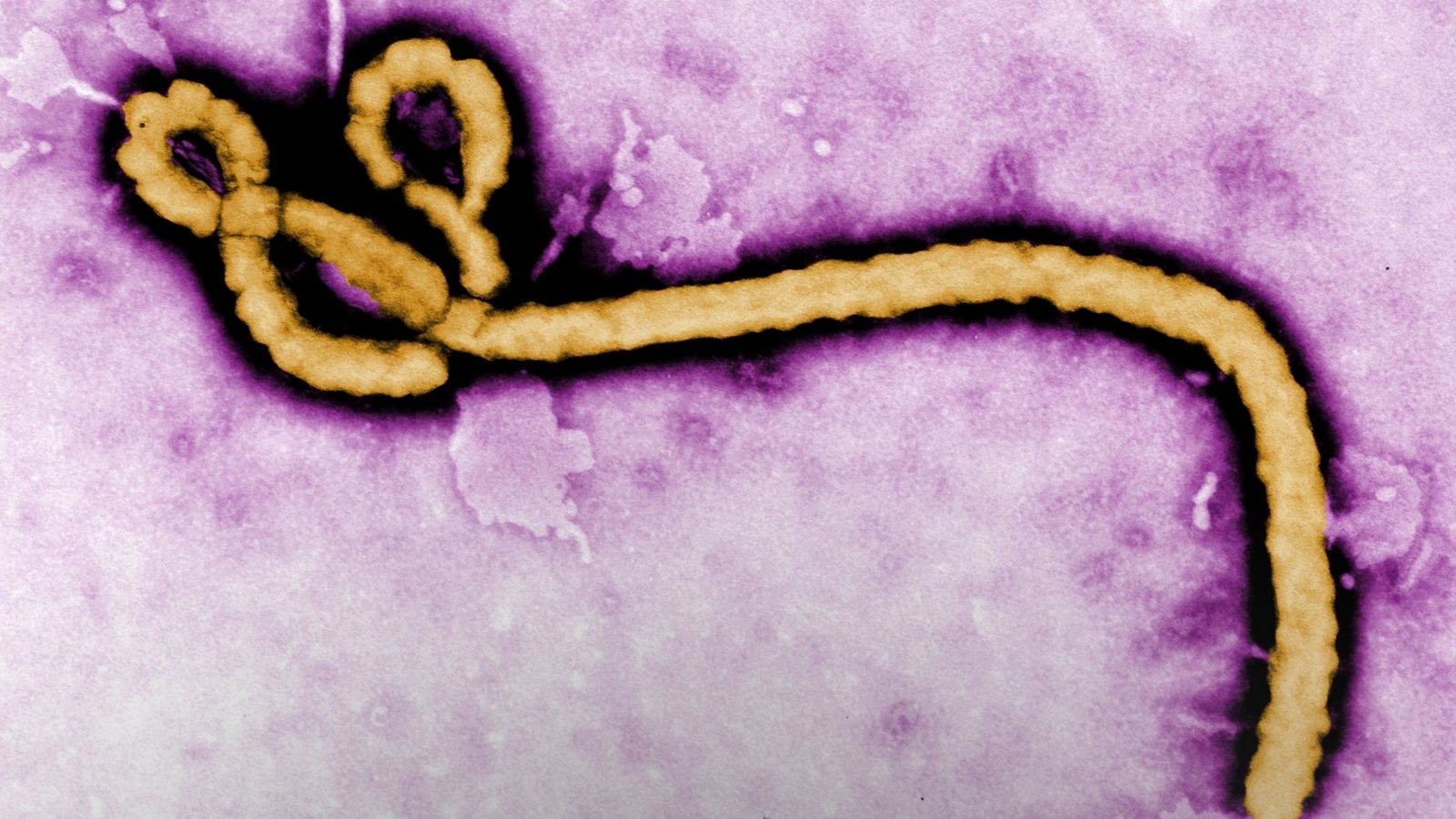
On 20 October 2014, the World Health Organization declared Nigeria free of Ebola. On 20 October 2026, exactly twelve years later, the federal government confirmed a new case in Abuja, and contact tracing has begun.
The question now is how Nigeria stopped Ebola the first time.

How the 2014 Ebola Outbreak Began in Lagos
Ebola reached Nigeria on 20 July 2014. It was discovered when Patrick Sawyer, a Liberian-American consultant, collapsed at Murtala Muhammed International Airport in Lagos.
He was taken to First Consultant Hospital in Obalende, where he was confirmed to have the virus. The danger was truly enormous as Lagos is one of Africa’s busiest cities, and Ebola was already tearing through Liberia, Sierra Leone and Guinea.
Yet Nigeria recorded only 20 cases and eight deaths, and the outbreak ended in about three months. The 2014 Ebola response in Nigeria is now studied worldwide as a model of rapid outbreak control.

Dr Ameyo Stella Adadevoh: The Doctor Who Sacrificed Her Life
No account of Nigeria’s Ebola containment is complete without Dr Ameyo Stella Adadevoh, the endocrinologist who treated Sawyer. When he wanted to leave the hospital, she refused to discharge him.
She kept him in isolation and alerted public health authorities, which kept an infectious man away from Lagos’s crowded streets and transport network.
Her decision cost her everything. Adadevoh tested positive for Ebola on 4 August and died on 19 August 2014. She was one of eight people who died in Nigeria’s outbreak, and she is remembered as a national hero. Her story was later told in the 2016 film, 93 Days.

Emergency Operations Centre: Nigeria’s Ebola Response Hub
Nigeria did not build its response from scratch. The Federal Ministry of Health, guided by the NCDC, declared an Ebola emergency. On 23 July, an Ebola Incident Management Centre was activated.
It grew into an Emergency Operations Centre (EOC), a structure first built to fight polio. The EOC gave the federal government, Lagos State and partners such as the WHO, UNICEF and the US CDC one command centre, so decisions moved fast and nobody worked in isolation.
Contact Tracing: The Backbone of Ebola Containment in Nigeria
Contact tracing did the heaviest lifting. Port health officials began tracing at the airport, and teams went on to identify894 contacts.
Tracers made about 18,500 face-to-face visits to check them for symptoms. Each contact was monitored daily for 21 days, and anyone who fell ill was isolated and tested. The work followed the virus beyond Lagos, to Rivers State and Enugu.

Isolation, Treatment and Infection Control for Health Workers
Facilities were designated as Ebola treatment centres, and suspected cases were isolated quickly.
This was important because more than half of those infected were health workers. Hospitals focused on infection prevention and control to protect staff.
Public Awareness and Myth Busting During the Ebola Outbreak
Fear and rumour spread almost as fast as the virus. Social mobilisation teams went house to house around the homes of contacts, and citizens received text messages on symptoms and prevention.
Officials also pushed back on myths, including the false claim that salt water could cure Ebola. UNICEF supported patients, contacts and families with counselling.
How Nigeria Was Declared Ebola Free in October 2014
An Ebola outbreak is declared over after 42 days without a new case, which is twice the 21-day incubation period. On 20 October 2014, the WHO declared Nigeria free of Ebola transmission.
It was a rare victory in a region where the virus had killed thousands, and it showed that a fast, coordinated response can stop Ebola even in a crowded city.
What the 2014 Ebola Response Means for Nigeria Today
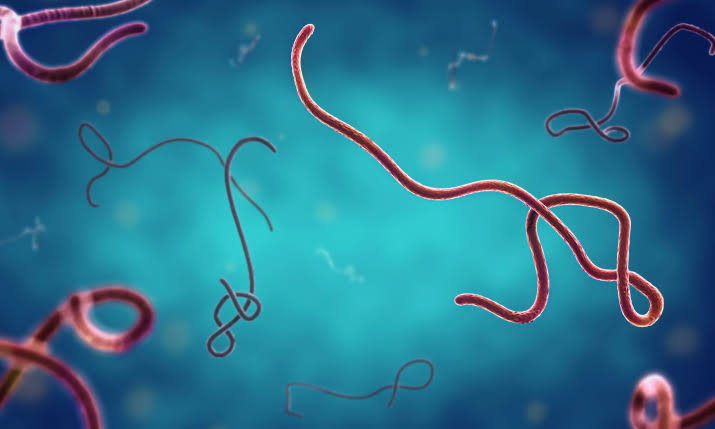
The new case in Abuja involves a woman who recently arrived on an international flight from Uganda, and she is receiving care in isolation.
Health officials say they have identified 44 close contacts, including health workers, patients and caregivers. The approach mirrors the steps from 2014: early detection, isolation, contact tracing and clear public information.
The 2014 experience has three lessons we can learn from.
Speed matters, because the first doctor to say no to a discharge stopped a chain of infection before it started.
Trained health workers matter, because many early cases were infected in hospitals.
Honest communication matters, because rumours can spread faster than the facts.
Nigerians can protect themselves by washing their hands, avoiding contact with the blood or body fluids of anyone suspected to have Ebola, and reporting possible exposure immediately. The NCDC toll-free line is 6232.
Dr Adadevoh did not live to see Nigeria declared Ebola free, yet that victory began with her refusal. If this new case is contained, it will be because health workers once again chose caution over convenience and acted fast, before the virus could spread any further.
Meta Description:
Tags: Ebola in Nigeria, Abuja Ebola Case, 2014 Ebola Outbreak, Ameyo Stella Adadevoh