Unveiling Ancient Rituals: The Mysterious Practice of Covering Mirrors Post-Demise
Funeral etiquette varies globally, with a notable tradition being the covering of mirrors during periods of mourning. This custom is rooted in both superstitious beliefs, such as preventing spirit-trapping or bad luck, and practical, respectful reasons, like those found in Jewish shivah practices which aim to eliminate vanity during grief.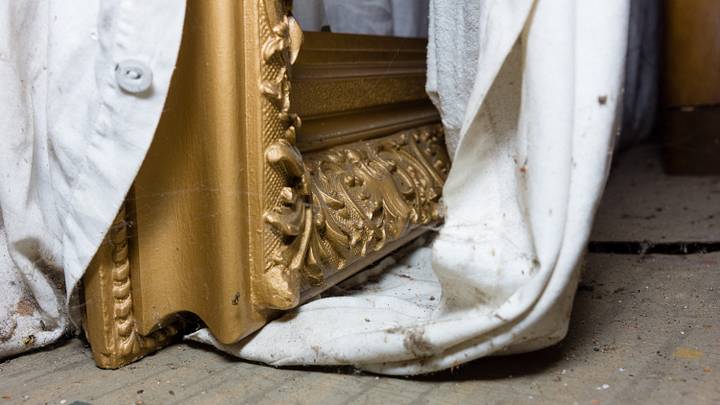
The customs and traditions surrounding death and funerals vary profoundly across different cultures worldwide, reflecting diverse beliefs and historical practices. From the widespread use of lilies as funeral flowers since the Victorian era to the lively jazz processions characteristic of New Orleans funerals, and the Irish tradition of keeping the deceased at home prior to burial, the global tapestry of bereavement rituals is rich and varied. Among these many customs, a particularly intriguing tradition observed in numerous countries and cultures involves the covering of mirrors within a household during a funeral, wake, or period of mourning.
This practice often stems from a blend of ancient superstition and folklore. In traditional Chinese funerals, for example, a deeply rooted belief suggests that catching a glimpse of a coffin or the face of the deceased in a reflective surface is not only considered profoundly bad luck but might even foreshadow another impending death. Furthermore, Chinese tradition posits that an uncovered mirror could potentially trap the spirit of the deceased, preventing its peaceful transition. Similar supernatural anxieties regarding mirrors at wakes and funerals were prevalent among the Victorians, who believed in the mirrors' capacity to trap souls. These soul-trapping notions are echoed in the traditions of many Slavic and Celtic cultures, where mirrors are frequently perceived as gateways or portals to the afterlife. In these contexts, leaving mirrors uncovered is believed to confuse the deceased’s spirit, causing it to become lost, trapped, or unable to navigate its journey beyond.
Beyond these mystical interpretations, a more practical and deeply respectful rationale underpins the tradition of covering mirrors within Judaism. During the Jewish custom of sitting shivah—a prescribed, week-long period of mourning observed by the family at the house of the person who has passed away—specific behavioral expectations are upheld. Participants typically sit on low chairs or on the floor, refrain from wearing new clothes, shaving, or cutting their hair, and abstain from work or regular business activities. Crucially, all mirrors in the vicinity are covered. This comprehensive set of observances is fundamentally about honoring the deceased. The deliberate removal of mirrors from the environment specifically serves to eliminate any sense of vanity or concern for one’s personal appearance from the mourning process. By doing so, the entire period of shivah remains singularly focused on the profound act of mourning and the remembrance of the departed loved one, free from worldly distractions.