Unmasking Red Meat's Regular Toll on Your Body!
Red meat provides essential nutrients like protein, iron, and vitamin B12, supporting muscle and bone health, and preventing anemia. However, moderation is key due to risks associated with saturated fat and processed varieties, which can increase the risk of heart disease and other chronic conditions. Adopting leaner cuts and balanced dietary choices is crucial for health.:max_bytes(150000):strip_icc()/GettyImages-185232367-7d88af4f393a4fd984a6653fb05a6f38.jpg)
Red meat, encompassing beef, pork, veal, and lamb, is a staple in many Western diets and provides a wealth of essential nutrients. While it is an excellent source of protein, iron, and vitamin B12, its consumption also carries health considerations, particularly concerning saturated fat and processed varieties. Understanding the benefits and risks, along with practical consumption tips, is key to incorporating red meat into a balanced diet.
One of the primary benefits of red meat is its contribution to muscle health. Composed of animal muscle fibers, red meat provides protein, fat, and micronutrients crucial for muscle growth and repair. This is especially valuable for athletes recovering from vigorous physical activity, as increased protein intake strengthens muscles and supports muscle gain. Moreover, protein helps adults at risk of malnutrition maintain muscle mass and assists with hormone regulation, potentially mitigating symptoms of diabetes.
Red meat also plays a significant role in building strong bones. It is rich in phosphorus and magnesium, minerals vital for bone growth. As individuals age, bone loss becomes common, and studies indicate that higher protein intake can slow this process. Research suggests that people assigned female at birth who consume more meat may experience lower rates of osteoporosis, a condition characterized by brittle bones. However, some studies advocate for plant-based protein as a healthier alternative due to lower saturated fat content.
Beyond structural benefits, red meat is packed with essential vitamins and minerals. Beef, in particular, is a top source of selenium and zinc, both crucial for a robust immune system. Zinc supports immune cell signaling and is especially important for elderly individuals in defending against pathogens that cause chronic diseases. Both selenium and zinc help prevent inflammation, though excessive selenium intake has been linked to increased inflammation, emphasizing the importance of moderation.
Furthermore, red meat helps prevent anemia, a condition characterized by reduced red blood cells and hemoglobin. Iron deficiency anemia is common, particularly among those on vegan or vegetarian diets, and red meat provides bioavailable iron to combat symptoms such as cold hands, feet, and dizziness. It is also an excellent source of vitamin B12, which prevents vitamin B12-deficiency anemia, characterized by fatigue, headaches, and shortness of breath.
The nutritional profile of red meat varies depending on processing and cut. For example, 85 grams of cooked ground beef with 10% fat contains approximately:
230 calories
15 grams of fat (5.8 g saturated, 7.1 g unsaturated)
64 mg sodium (3% DV)
22 g protein
2.1 mg iron (12% DV)
2.3 µg vitamin B12 (96% DV)
5.31 mg zinc (100% DV)
18 µg selenium (33% DV)
165 mg phosphorus (13% DV)
Source. Google
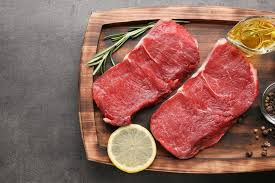
Despite these benefits, red meat consumption carries risks, primarily due to its high saturated fat content. Excessive intake can elevate LDL (bad) cholesterol, increasing the risk of heart disease. A balanced diet rich in fruits, vegetables, and grains helps mitigate this risk. Additionally, processed red meats such as hot dogs, deli meats, and bacon, which often contain artificial flavors and preservatives, have been linked to an increased risk of diabetes, heart disease, and certain cancers. Heart-healthy protein alternatives include beans, fish, and nuts, and opting for leaner red meat cuts can further reduce saturated fat intake.
Experts recommend moderation, suggesting consumption not exceed 12-18 ounces per week. Leaner options include:
Tri-tip roast beef
Strip steak
96% lean ground pork
Pork tenderloin
Bone-in rib chop pork
Lamb loin chops
When preparing red meat at home, proper storage is crucial to prevent foodborne illness. While brown or gray discoloration after a few days in the fridge doesn’t necessarily indicate spoilage, a bad smell or slimy texture signals the meat has gone bad. Freezing red meat not intended for immediate consumption is recommended to preserve quality and safety.