Shocking Discovery Shows One Daily Drink May Harm Your Figure
A groundbreaking UK study reveals that regular alcohol consumption, even at moderate levels, is directly linked to an increase in dangerous visceral fat, regardless of body weight. This fat, deep within the abdomen, significantly elevates the risk of heart disease and type 2 diabetes, challenging conventional understanding of the 'beer belly' and current drinking guidelines. The findings underscore a hidden health risk that may not be apparent from external appearance alone.
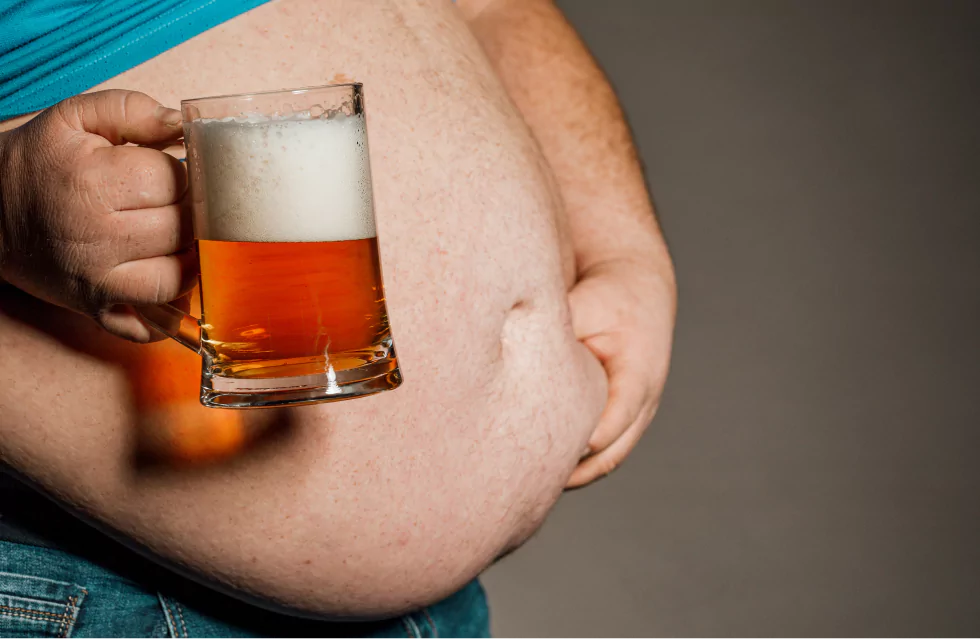
For decades, the term “beer belly” has been casually attributed to overeating, inactivity, or excessive beer consumption.
However, new scientific evidence suggests alcohol itself may play a more direct and significant role in abdominal fat accumulation than previously believed.
A major UK study published in the International Journal of Obesity in 2026 found that individuals who consume roughly one alcoholic drink per day are more likely to store fat deep within the abdomen, known as visceral fat.
This dangerous fat surrounds vital organs and is strongly linked to serious health conditions such as heart disease and type 2 diabetes.
Notably, this effect was observed even in individuals who were not overweight, indicating alcohol may influence fat distribution rather than simply adding excess calories.
The research analyzed nearly 6,000 adults aged between 25 and 75 from the Oxford Biobank, a dataset designed to reflect the broader UK population.
Participants reported their alcohol consumption in standard UK units, where one unit equals eight grams of pure alcohol.
The lowest consumption group drank up to four units weekly, while higher consumption ranged from 17 to 98 units for men and 10 to 50 units for women.
Seventeen units per week is roughly equivalent to six pints of average-strength beer or six glasses of wine—approximately one drink per day.
This wide range allowed researchers to examine how varying alcohol intake levels influenced fat storage patterns across different individuals.
To obtain precise insights, researchers used advanced DEXA scans, which provide highly accurate imaging of fat, muscle, and bone distribution within the body.
Unlike standard measurements such as body weight or waist circumference, these scans revealed hidden visceral fat surrounding organs like the liver and pancreas.
The results showed a clear correlation: as alcohol intake increased, visceral fat levels also rose.
Men in the highest drinking category had up to 13.5 percent more visceral fat, while women showed an even greater increase of 17 percent compared to those who drank the least.
Crucially, these findings remained consistent even after accounting for factors such as age, smoking, exercise, and overall body fat, suggesting alcohol itself plays a distinct role in harmful fat accumulation.
The findings challenge existing alcohol consumption guidelines, including the NHS recommendation of no more than 14 units per week and the US CDC’s definition of moderate drinking as up to one drink per day for women and two for men.
The study suggests that even consumption within these limits may contribute to metabolically dangerous visceral fat.
While researchers caution that the study does not definitively prove causation and relied on self-reported alcohol intake, the strong association raises important public health concerns.
Ultimately, the research highlights that maintaining a slim appearance may not fully protect individuals from hidden internal fat and its associated risks, reinforcing the need for greater awareness of alcohol’s impact on long-term health.