Unmasking 7 Common Kitchen Blunders With Oatmeal
Discover how to maximize the health benefits of oatmeal by avoiding common preparation mistakes. This article outlines key adjustments, from portion control and oat selection to healthy toppings and cooking techniques, ensuring your oatmeal is a truly nutritious and balanced meal.:max_bytes(150000):strip_icc()/Health-GettyImages-907935124-f092d9cb1d474253a99e5cf8715851b4.jpg)
Oatmeal is widely recognized as a hearty, whole-grain food offering numerous health benefits, including helping to lower blood pressure, improve cholesterol levels, and manage blood sugar.
However, common habits and mistakes in its preparation and consumption can significantly reduce or even nullify these advantages.
By making a few simple adjustments, one can enhance oatmeal's nutritional profile and create a more balanced and beneficial meal.
One prevalent mistake is eating the wrong portion size. A standard serving of cooked oatmeal is approximately one cup, which provides around 152 calories, 5.3 grams of protein, 27 grams of carbohydrates, and 4 grams of dietary fiber, along with essential B vitamins and minerals.
Consuming more than this amount can quickly lead to an excessive calorie intake, potentially leaving less room for other nutrient-dense foods like eggs, fresh fruit, or nuts in one's diet.
Another critical factor is using the wrong type of oats. Oats vary in their processing levels, from less processed options like oat groats and steel-cut oats to more processed instant or quick-cooking oats.
For individuals aiming to manage weight or blood sugar, less-processed oats are preferable as they retain most of their original grain and nutrients.
These varieties are digested more slowly, which aids in maintaining steady blood sugar levels. While instant oats are still considered whole grain, their increased processing results in slightly less protein and fiber and faster digestion, potentially causing quicker spikes in blood sugar compared to rolled oats.
Also, some instant oat packets come with added sugars, negatively impacting overall nutrition.
A significant pitfall is adding too many sugary toppings. The U.S. Department of Health and Human Services' "Healthy People 2030" program advocates for reducing sugar intake, recommending that no more than 11.5% of daily calories should come from added sugars.
Common oatmeal add-ins that contribute significantly to this daily goal include sugar, brown sugar, maple syrup, honey, chocolate chips, sweetened coconut flakes, sweetened nondairy milk, and sweetened nut butters. To improve taste naturally, it's recommended to opt for fresh fruit or spices like cinnamon instead.
Many people also err by miscalculating the liquid-to-oats ratio. Achieving the correct consistency is crucial, whether preparing oatmeal in the microwave, on the stovetop, or in a rice cooker.
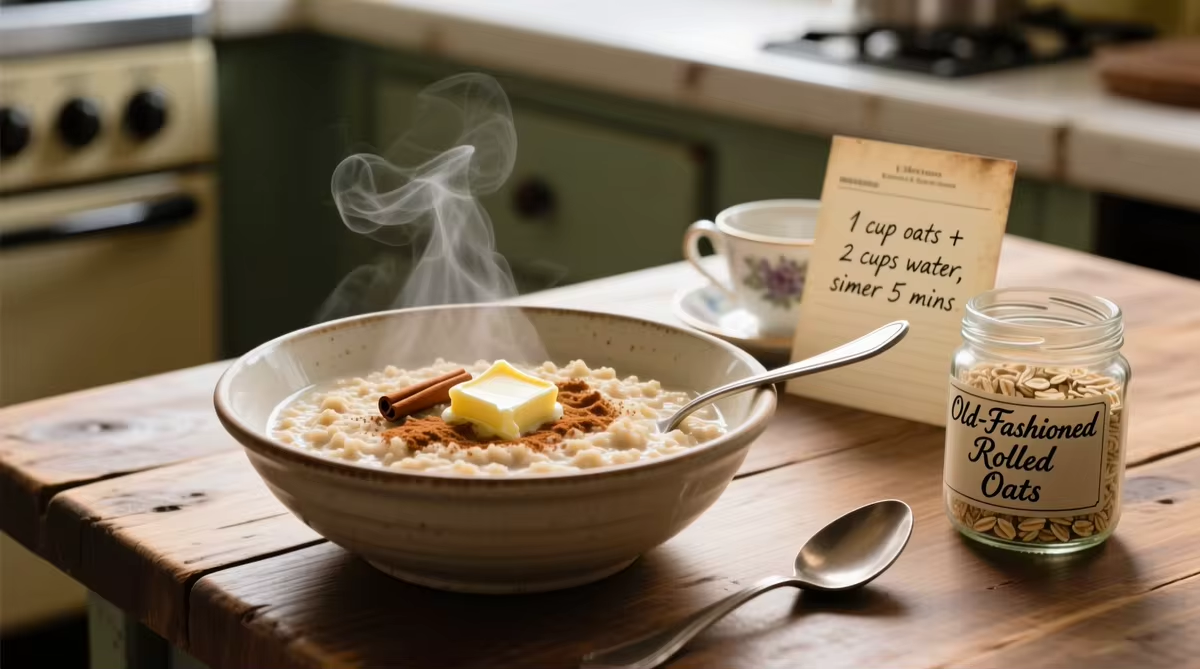
An incorrect ratio can result in oats that are either unpleasantly gluey or too watery. For stovetop preparation, the ratio is typically one part oats to two parts liquid (e.g., 1/2 cup rolled oats to 1 cup liquid).
For microwave cooking, a one-to-one ratio is a good starting point (e.g., 1/2 cup rolled oats to 1/2 cup liquid), with more liquid added as needed to achieve the desired texture.
While preparing oats with water is acceptable, choosing water to make your oats exclusively means missing out on additional nutrients.
Incorporating milk varieties such as cow's milk, soy milk, or almond milk can provide extra protein and vital nutrients, making for a heartier, more nutrient-rich bowl.
Greek yogurt can also be used for overnight oats, contributing important vitamins and minerals to breakfast.
Also, not adding enough protein is a common oversight. While oatmeal itself is a nutritious source of whole grains, pairing it with a protein source, a fruit or vegetable, and a healthy fat is essential for a more complete meal.
This combination helps slow digestion, stabilizes blood sugar, and supports muscle growth and strength. Examples include pairing oatmeal with one or two hard-boiled eggs, or mixing in peanut butter, other nut butters, or nuts directly into the oatmeal to boost its protein content.

Finally, forgetting to add salt can detract from the oatmeal experience. A pinch of salt added before cooking acts as a flavor enhancer, bringing out the rich, nutty, and toasty flavors of the oats, as well as any added spices like cinnamon, nutmeg, or vanilla.
Salt prevents blandness and can even reduce the perceived need for excessive sugar, deepening the overall flavor profile of the meal.