Unlocking 1920s Glamour: What Adorned Celebrity Vanity Tables?
Explore the fascinating world of 1920s vanity tables, reflecting the "Jazz Age" embrace of freedom and new fashion. This article delves into the essential beauty items and accessories, from metal lip tracers to vanishing cream and decorated headbands, that defined the era's distinctive aesthetic and morning routines.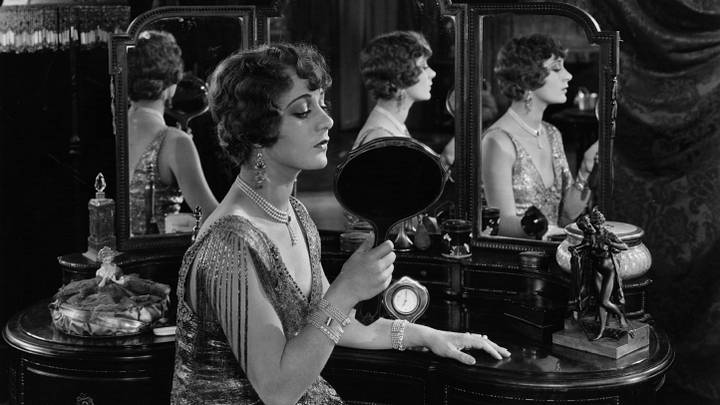
The vanity table, an enduring element of daily routines, has been known by many names throughout history, including dressing table or simply “vanity,” and even “duchess” in Australia, with the term itself dating back to 1898. This piece of furniture held particular significance during the 1920s, an era famously dubbed the “Jazz Age,” which witnessed a dramatic cultural shift including the rise of a vibrant party culture and a corresponding loosening of restrictions on fashion. This period encouraged more adventurous directions in hairstyling and makeup than had been seen before, reflecting a widespread desire for freedom and self-expression. The ways individuals attended to their appearance during this decade were a direct mirror of the era's spirited transformation.
Vanity tables of the 1920s were often adorned with a distinct set of items, each playing a role in the day's beauty rituals. Among these were **Metal Lip Tracers and Stencils**. The prior invention of lipstick in tube form had already revolutionized lip color application, but the 1920s amplified interest in creating dramatic lip effects. These metal tools served as precursors to modern lipliners, aiding in the creation of precise, bold outlines within which lipstick would be meticulously applied, contributing to the era's distinctive makeup aesthetic.
Another essential item found on these tables was **Vanishing Cream**. While largely obsolete today, in the early 20th century, vanishing cream was a cornerstone of many women's skincare regimens. During the 1920s, its use was as ubiquitous as moisturizer is in contemporary times. Beyond hydration, it also functioned as a light foundation, preparing the skin for subsequent makeup application. Its name derived from its unique property of being absorbed into the skin without leaving a visible residue, distinguishing it from other creams designed to remain on the surface.
Hair styling underwent a significant transformation, with the advent of shorter styles like the jaw-length bob becoming a signature look of the decade. These bobs could be styled in various ways, from the sleek straight look popularized by film stars like Louise Brooks, to waves and curls which gained increasing favor as the decade progressed. To achieve these sculpted forms, many women relied on **Curling Tongs**. These tools were crucial for creating popular effects, including the intricate deep waves known as “marcelling.”
The era's penchant for glamor and embellishment extended to hair accessories, making **Decorated Headbands** a popular choice. Alongside these, jeweled combs and other creatively attached items for the hair were also in vogue. Combs from this period tended to be smaller than those from earlier eras, adapted to complement the shorter hairstyles that dominated. These headbands, combs, and various other hair accessories would typically be stored neatly within a drawer of a woman’s vanity table when not in use.
Finally, among the items frequently found on 1920s vanity tables were **Long Necklaces**, reflecting the period's fashion trends and the importance of accessorizing to complete the iconic flapper look.