Trump's Fiery Threats Lead Iran to Reject Peace Talks
Diplomatic efforts between the US and Iran have collapsed, with Tehran rejecting peace talks due to US demands and the ongoing naval blockade of the Strait of Hormuz. Tensions are exacerbated by incidents such as the US seizure of an Iranian ship and conflicting accounts of events in the strategic waterway. The breakdown underscores the volatile state of US-Iran relations amidst a fragile regional ceasefire.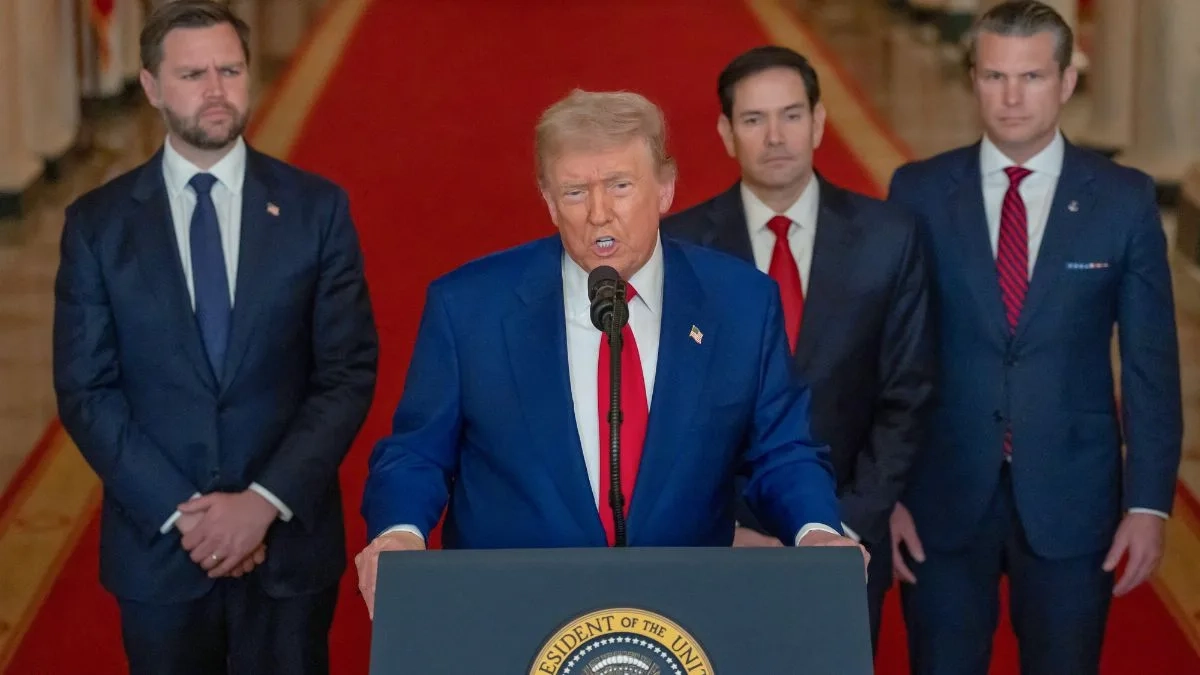
Tensions between the United States and Iran are rising after Iran refused new peace talks proposed by Donald Trump.
Iran said the U.S. made unrealistic demands and kept changing its position, especially over the Strait of Hormuz. This comes even as a fragile two-week ceasefire is still in place.
The Strait of Hormuz is now the main concern, because Iran says it has the right to control it and has tightened naval restrictions, increasing tension.
The United Kingdom Maritime Trade Operations has warned that the situation is serious, with a high risk of conflict that could affect global shipping.
Tensions at sea have increased after reports that the US military stopped the Iranian ship M/V Touska, a large cargo vessel accused of trying to break through a naval blockade.
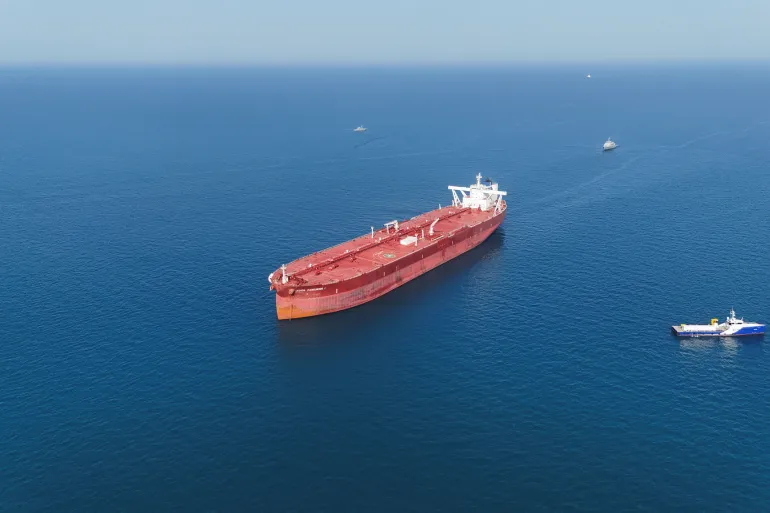
The US said a warship warned the ship for hours before disabling its engine and boarding it.
Iran denied this, calling it illegal and warning of retaliation. Iranian media also claimed another oil tanker safely reached Iran, which contradicts the US account.
In a separate case, a French shipping company said one of its ships was fired at with warning shots while passing through the Strait of Hormuz, adding to growing concerns in the area.
President Trump had previously threatened Iran, stating he would order the US military to "knock out every single power plant and every single bridge" if they refused the next peace deal.
These threats came amidst allegations that Iran had broken the ceasefire by firing at European ships, although the Ministry of Defence reported no such attacks.
Israeli Prime Minister Benjamin Netanyahu also remarked that the "war" with Iran was "not over yet" despite the ceasefire, describing Iran as a "Great Tyranny."
The diplomatic process has been marred by what many describe as Trump's chaotic approach. Iran had outlined three key demands for re-entering talks: a ceasefire in Lebanon, an end to the US blockade on Iranian ports, and progress on Iranian asset releases.
Initial indications of a reciprocal process, where Trump's imposition of a ceasefire in Lebanon would lead to a partial lifting of Iran's restrictions on the Strait of Hormuz, quickly unraveled.
Iranian Foreign Minister Abbas Araghchi's tweet about a conditional reopening was swiftly contradicted by Trump's own tweets, which maintained the blockade, falsely claimed Iran had fully lifted restrictions, and asserted Iran had agreed to surrender its enriched uranium.
This mischaracterization led to an inevitable backlash in Tehran, with Mohammad-Bagher Ghalibaf, Iran's delegation leader, accusing Trump of lies.
Consequently, Iran fully reimposed its blockade on the Strait once it became clear the US blockade was not being lifted.
Despite the palpable distrust and the escalating incidents, Trump decided to pursue diplomacy again, even as the Strait remained closed.
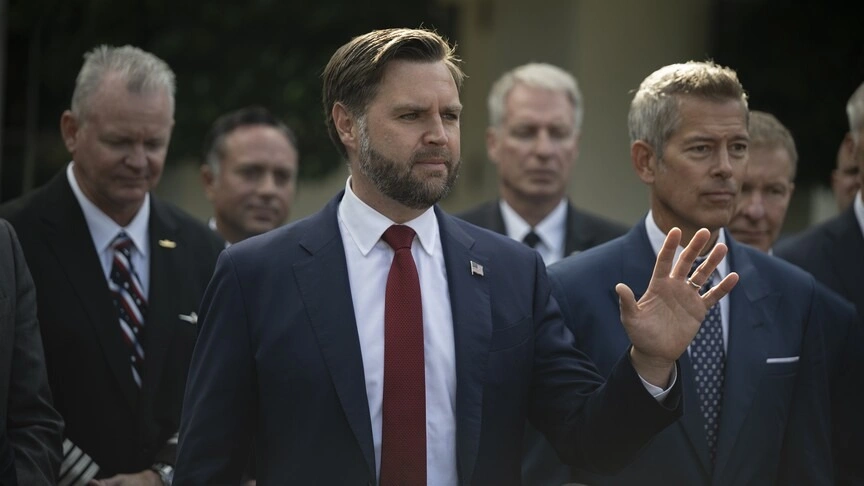
This decision, coupled with conflicting reports regarding Vice President JD Vance's attendance at the Pakistan talks, highlighted the disarray within the White House.
The fundamental issue of Iran's determination to maintain its right to enrich uranium on its own soil remains unresolved, posing a significant challenge to any long-term peace.

In the aftermath of the failed talks, Iran's Fars news agency reported that the "ministry of foreign affairs and the supreme national security council have decided to continue the policy of silence in the face of news-making by foreign media," signaling a potential shift towards strategic quietude.