Tired of Difficult Colleagues? You Can Do This as a Young Professional
Feeling frustrated by difficult colleagues? These are practical strategies for young professionals to navigate workplace challenges with confidence and professionalism.

Some days at work feel impossible—especially when you have that one colleague who seems determined to make everything harder.
Maybe they interrupt your ideas, micromanage your tasks, or just drain the energy out of every meeting.
It can make you question whether you even want to show up for work the next day.
If this sounds familiar, take a deep breath.
There are ways to handle it without losing your cool or your career.
The truth is, dealing with difficult colleagues is part of corporate life, especially when you’re starting out.
But the thing is, it doesn’t have to derail your growth.
Understanding the Challenge

First, let’s acknowledge something important: difficult behavior usually isn’t about you personally.
People act the way they do for many reasons, could be stress, pressure to perform, personal insecurities, or just clashing personalities.
Recognizing this can make it easier to respond without taking things personally.
Think about it this way: the colleague who seems impossible might be under pressure you don’t see, or they might just communicate differently than you do.
Understanding the “why” behind their behavior is the first step in navigating it smartly.
Staying Calm and Centered

When emotions run high, it’s easy to react impulsively.
But staying calm is your superpower.
Take a moment to pause, breathe, and approach the situation thoughtfully. Reacting angrily rarely helps and often escalates the problem.
Instead, focus on your response rather than the provocation.

Keep your tone professional, stick to facts, and avoid letting frustration show in your body language.
Over time, this not only protects your peace of mind but also earns you respect from your colleagues and supervisors.
Communicating Smartly

Sometimes the best way to handle a difficult colleague is to address the behavior directly but with care. You don’t want to sound accusatory.
Instead, focus on how the behavior affects your work and the team.
For example, you could say:
“I’ve noticed that in team discussions, my ideas sometimes get overlooked. Can we find a way to make sure everyone’s contributions are heard?”
Notice how this doesn’t attack them personally, it's about collaboration, not confrontation. Small shifts in how you communicate can make a huge difference.
Protecting Your Space
Another important piece of the puzzle is setting boundaries. This doesn’t mean being rude or confrontational, it’s about respecting your time, energy, and work.
Learn to say no politely, avoid gossip, and focus on what you can control.
Focusing on shared goals can also help.
Instead of getting stuck on personality clashes, remind yourself what you and your team are trying to achieve. Work comes first, and keeping your eyes on the prize can reduce unnecessary tension.
When It Gets Tough
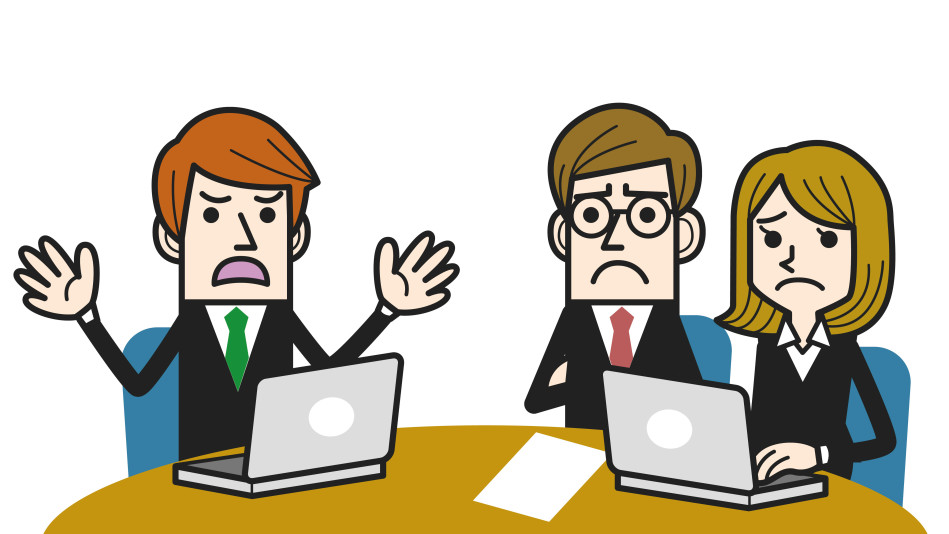
Of course, there are times when a colleague’s behavior crosses the line like bullying, harassment, or persistent disruption.
In those cases, it’s not about toughing it out alone.
Document the incidents, stay factual, and seek guidance from a manager or HR.
Escalating professionally shows maturity and ensures you’re protecting yourself while still handling the situation responsibly.
The Bigger Picture
Remember that navigating difficult colleagues is not just about surviving the moment, it’s about building skills that will serve your career long-term.
Patience, communication, boundary-setting, and professionalism are all traits that future employers and leaders notice.
Every challenging interaction is an opportunity to grow, refine your approach, and become a stronger professional.
The next time you face a difficult colleague, take a step back, stay calm, and apply these strategies.
You’ve got this, and you’re not just surviving; you’re learning how to thrive in the corporate world.