Tinubu's UK State Visit And Why Britain Waited 37 Years to Roll Out the Red Carpet
Nigeria's President Tinubu just completed the first UK state visit in 37 years with King Charles, and a £746m port deal. But behind the ceremony lies a harder question: is this Britain's invitation or Britain's strategy?
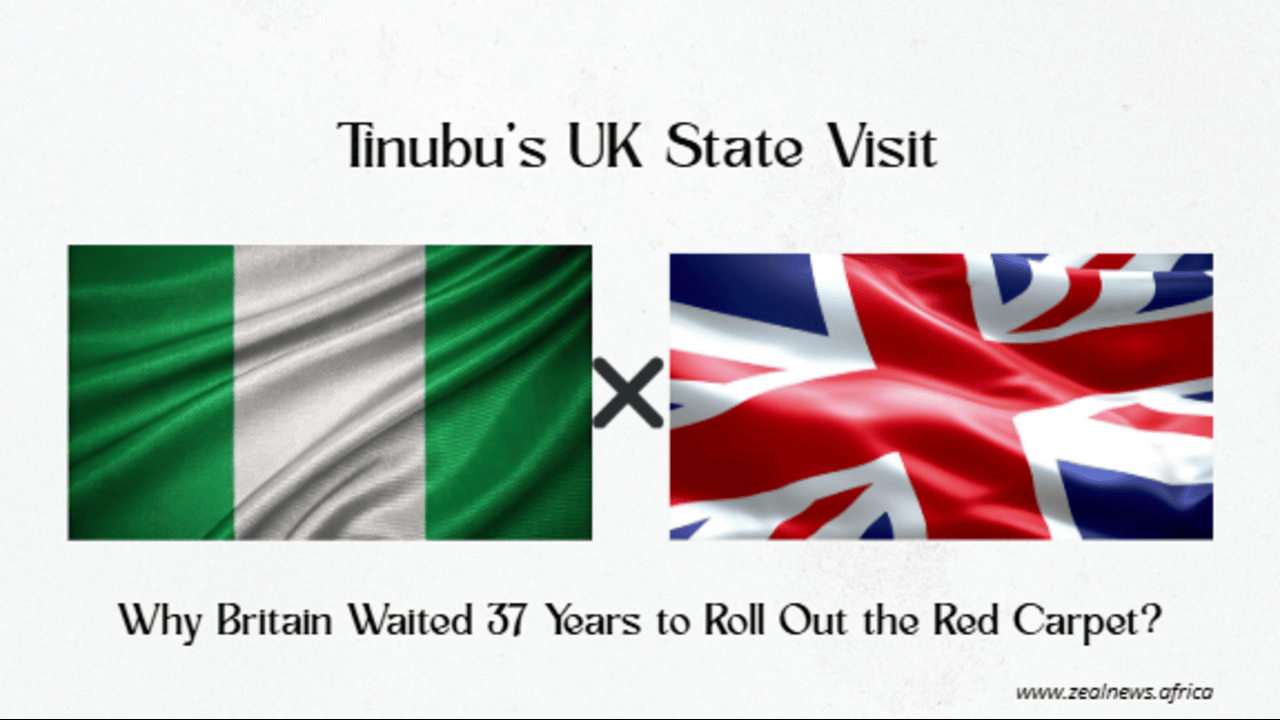
The Nigerian President—Bola Ahmed Tinubu is back in Nigeria now and the Nigerian and Union Jack flags that lined the streets of Windsor on March 18 have been folded away and the state banquet is over but do you really know what transpired during the meeting and the events leading to it?
President Bola Tinubu just concluded his two-day state visit to the United Kingdom after meetings with King Charles III and UK Prime Minister Keir Starmer.
The optics of the visit were impeccable and the whole ceremony was grand. And behind all of this event sits a question that deserves a more honest answer than the fanfare provided: what exactly just happened, and who was it really for?
37 Years in the Cold and Why Now
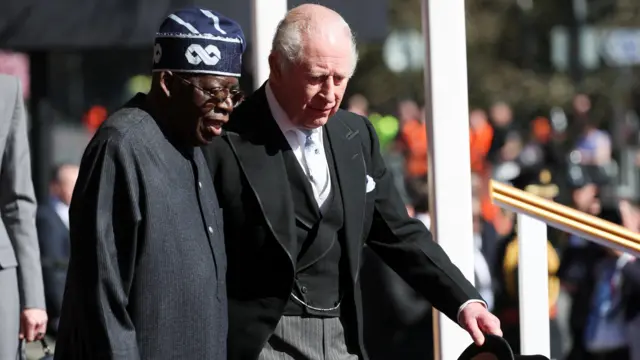
If you're not aware by now, this is the first state visit by a Nigerian President to the UK since 1989.
Previous state visits took place in 1973 by General Gowon and in 1981 by Shagari. Let that settle in as you progress in reading this article.
Nigeria, Africa's most populous nation, its largest economy, a Commonwealth member with over 270,000 Nigerian-born residents embedded in Britain's NHS and universities went nearly four decades without a state visit to the United Kingdom.
The last Nigerian leader to receive this treatment was General Ibrahim Babangida in 1989, a military head of state hosted by the late Queen Elizabeth II.
So why now? Why Tinubu?
The honest answer is that Britain needs Nigeria more than it has publicly admitted in recent years.
The British government recently said it wants to shift from a culture of "paternalism to a partnership of respect and equality" with African nations, moving "from donor to investor."
Post-Brexit, the UK lost the trade security the EU provided and has spent years quietly rebuilding bilateral relationships it previously neglected.
Nigeria is the most legible African country to a British audience, English-speaking, Commonwealth, massive consumer market, and geopolitically significant at a moment when Mali, Burkina Faso, and Niger are drifting toward Russian influence.
So keeping Nigeria close is as much a containment strategy as a trade one. Relations with Nigeria are underpinned by a strategic partnership agreed in 2024.
That partnership existed on paper, what was needed in the very least was a high-visibility moment to feel operational.
A state visit turned out to be the most expensive press conference a government could throw and this one signalled that Britain is serious about Nigeria, at least publicly.
What Transpired and What It's Worth
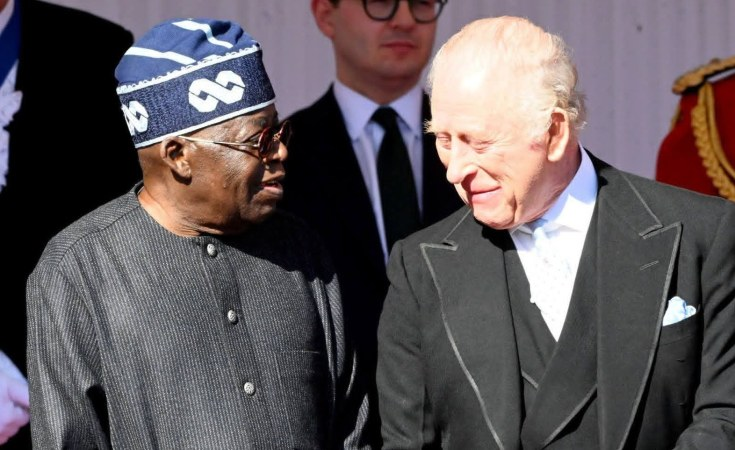
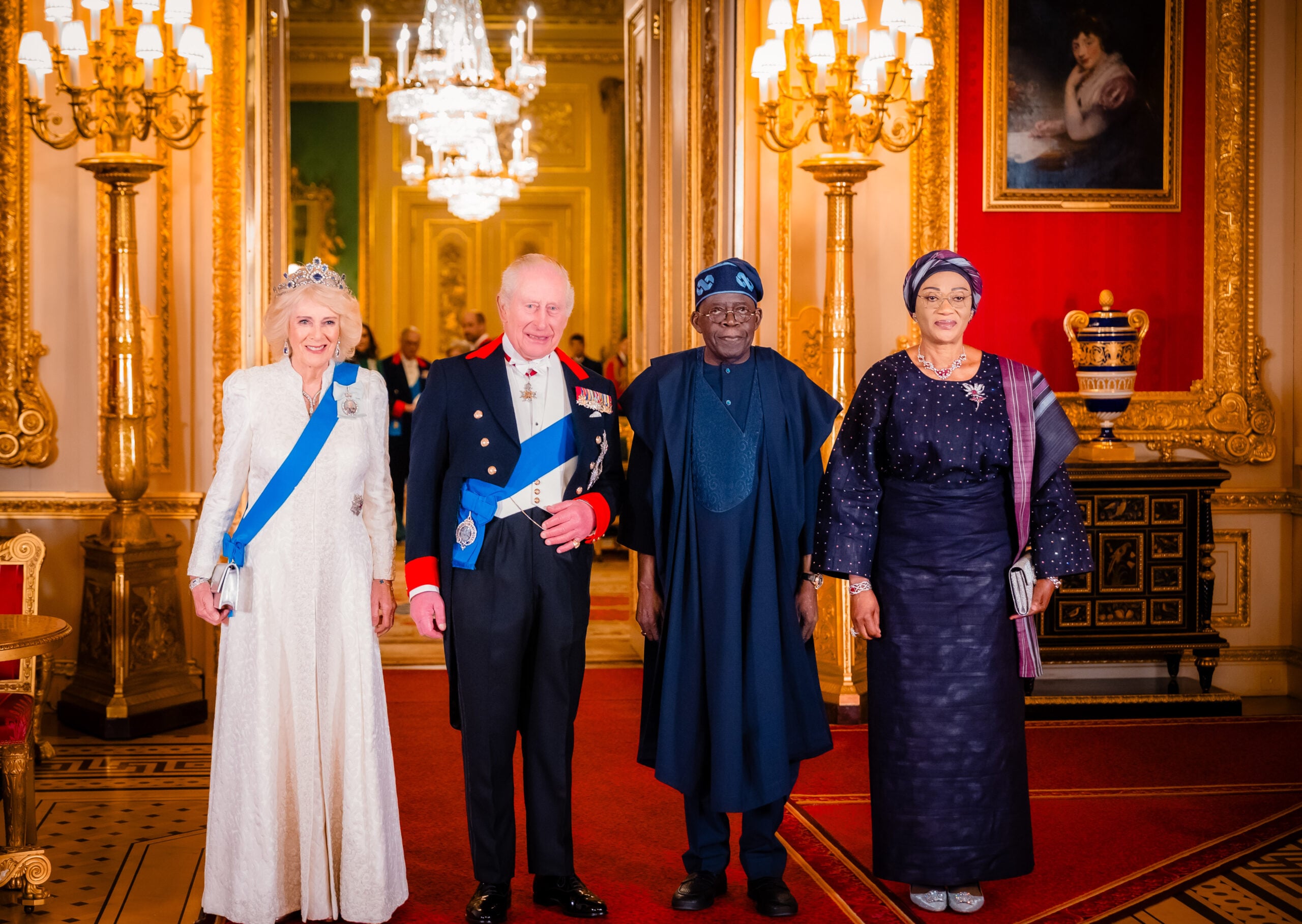
More than 1,000 soldiers were out in force for the diplomatic show of soft power by the royal family. Prince William and Kate received the Tinubus at the Fairmont Windsor Park Hotel before a ceremonial carriage procession to Windsor Castle, where King Charles and Queen Camilla waited.

Charles described Nigeria as an "economic powerhouse" and said it "has not merely changed, it has arrived."
The visit was historically notable in another dimension, it was the first state visit during Ramadan hosting a Muslim head of state since 1928, when King George V hosted King Amanullah Khan of Afghanistan.
The programme was specially adapted, with no traditional welcome lunch, a prayer room for guests, and iftar before the dinner.
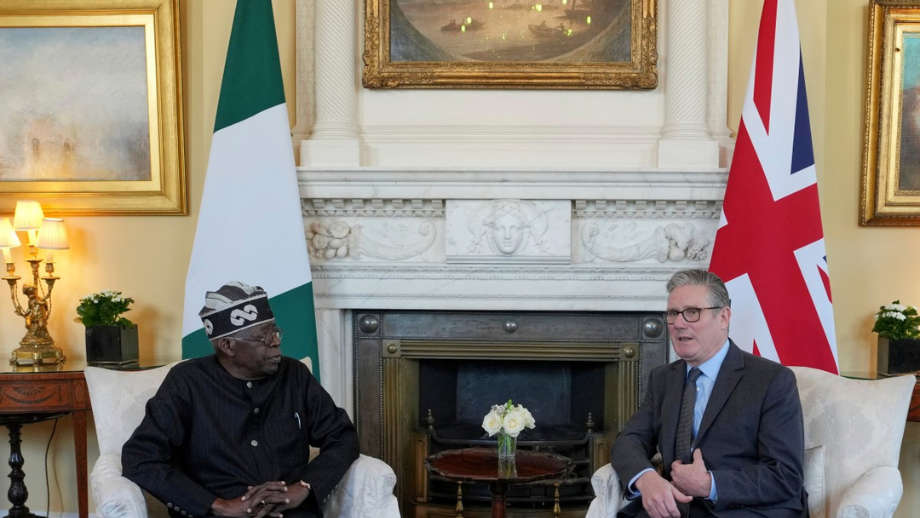
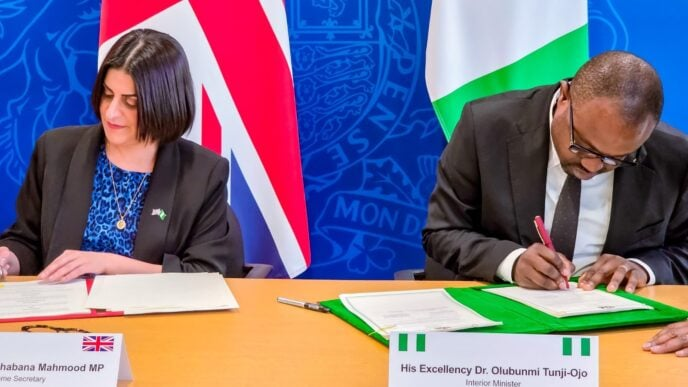
On day two, Tinubu met with Prime Minister Keir Starmer at 10 Downing Street, culminating in the signing of various Memoranda of Understanding and Agreements, including those on trade, investment, defence, and cultural cooperation.
One major highlight was the signing of a £746 million financing agreement between UK Export Finance, the Nigerian Ports Authority, and the Federal Ministry of Finance, funding the refurbishment of the Lagos Port Complex at Apapa and the Tin Can Island Port Complex.
British fintech company Wise has been approved to operate in Nigeria, while Nigerian banks are seeking to expand into London.
Nigeria is also looking to strengthen defence and surveillance cooperation with Britain to tackle security issues including jihadists in the north.
That last point matters and the critical nature of that issue cannot be ignored.
At least 65 Nigerian soldiers were killed and 300 civilians, including children, were abducted in a coordinated attack earlier this month on military bases in northeast Nigeria by the Islamic State West Africa Province.
Tinubu was receiving royal honours in Windsor while Borno allegedly seemed to be burning. His delegation included ministers of defence and national intelligence, which tells you where the real urgency lies beneath the ceremony.
Amidst all the plans and memos being signed, there has also been a Strategic Partnership framework and cooperation on migration.
The UK has announced a new partnership with Nigeria that could enable the deportation of thousands of failed asylum seekers and foreign nationals.
What the events of this framework and plans between the Nigerian government and Britain holds for Nigerians can only be fully understood as time goes on.
But with all the news about Tinubu’s visit, it seems to be joyous.
Britain gets legitimacy, trade access, port infrastructure investment, and a migration management partner.
Nigeria gets a £746 million financing deal, MoUs that may or may not be implemented, and the ceremonial prestige of being taken seriously after nearly four decades of diplomatic distance.
Bilateral trade between the two countries now stands at a record $10.7 billion a year. That figure is real, not just abstract. The question is who along the supply chain that wealth actually reaches. The Benin Bronzes still remain in British museums.
The gap between elite-level bilateral gains and the reality of ordinary Nigerians has not narrowed because a carriage procession happened in Windsor.
The visit in bilateral national relations truly matters. Nigeria showing up at this level matters. But showing up knowing your own worth and leaving with outcomes that reach beyond the delegation is the story still being written.