This Is Why You Apologize for Everything (Even When It’s Not Your Fault)
Stop apologizing for things you didn’t do. Learn why over-apologizing isn’t politeness, how childhood experiences shape this habit, and how to reclaim your emotional space with practical tips.
You ever catch yourself apologizing… for the weather? For someone else’s bad mood? You’re not alone. Constantly saying “sorry” isn’t just being polite; it’s usually a habit you picked up as a kid.
Growing Up Thinking You’re Responsible for Everyone Else
Some people are basically walking mood detectors. When someone frowns, and your brain screams, “It’s my fault! I’ve failed humanity!” You start apologizing for breathing too loudly, for laughing at the wrong moment, even for existing in the same room.
By the time you finish, you’re practically giving a TED Talk on how to keep everyone else happy while forgetting your own name. And the funny, or not-so-funny part? Everyone else is sitting there like, “We weren’t even mad.”
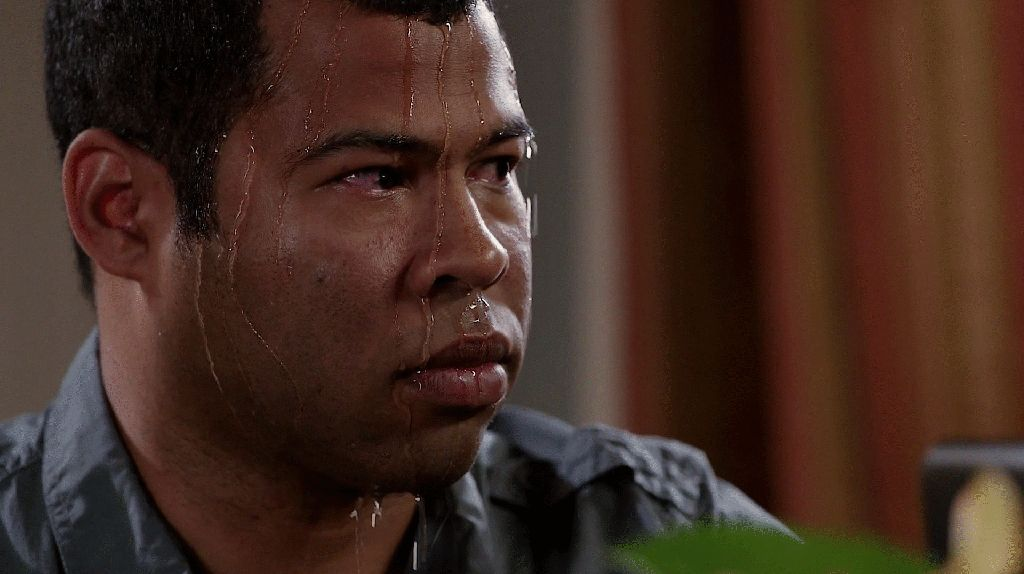
But you? You’re out here running a full emotional marathon while everyone else enjoys the show. Classic childhood training, African edition.
This is what happens when you grow up in a household where someone else’s feelings feel like your job.
Psychologists call this “emotional appeasement.” You’re basically trying to prevent drama, before you even know if it exists.
Why “Polite” is the Wrong Label
The truth is that people praise you for apologizing, but the praise doesn’t mean it’s healthy. Constant apologizers are often hypervigilant; they’re scanning the room, always ready to fix or smooth things over. And it’s exhausting.
Dr. Bessel van der Kolk, a trauma expert, explains that growing up in unpredictable environments can keep your body on high alert long after the “danger” is gone. Your “sorry” is basically your brain saying, “don’t get in trouble, just in case.”
How Over-Apologizing Affects You
Self-worth takes a hit. Studies show chronic apologizers often feel less confident and more anxious.
Relationships can get messy. Saying sorry for everything can confuse people; you’re always the problem, even when you’re not.
You lose your own emotional space. Every apology carries the weight of someone else’s mood, leaving less room for your own feelings.
Breaking the Habit (Without Feeling Awkward AF)
Pause before you say it. Ask yourself: “Did I actually do anything wrong?”
Sit with discomfort. It’s okay if someone is upset and it’s not your fault. Let them feel it.
Flip the script. That sensitivity you’ve been using to manage everyone else? Turn it into empathy, not a shield.
Practice small wins. Skip a few “sorrys” and notice what happens. Spoiler: the world keeps spinning.
You’re Not Actually Responsible for Everyone Else
If you grew up feeling like every bad vibe was on you, it makes sense you apologize too much. But you can unlearn it. Your nervous system may be wired for it, but your adult brain can choose differently.
Stop apologizing for things that aren’t your fault. Let people sit with their own feelings. Protect your emotional space. Your sensitivity is a superpower; just don’t let it chain you down.