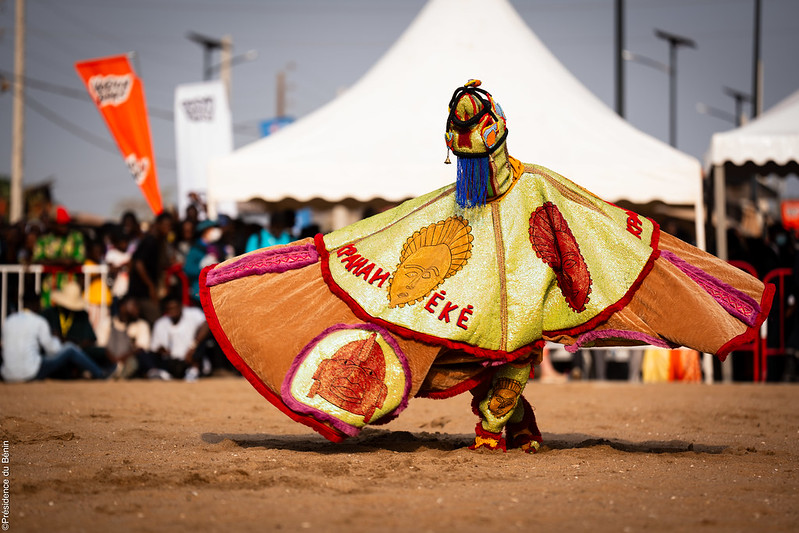
The Vodun Festival: Benin's Sacred Celebration of Ancestral Spirituality
Every January 10, Benin comes alive for the Vodun Festival—a sacred national holiday honoring ancestral spirituality, cultural survival, and a religion that shaped the African diaspora across continents.
Forget everything Hollywood taught you about voodoo dolls and zombies. The real Vodun tradition happening in Benin, West Africa, is way more fascinating and it has got nothing to do with horror movies.
Every January 10th, the entire nation shuts down for a massive spiritual celebration that is part religious ceremony, part cultural pride parade, and entirely unforgettable. Picture thousands of people dressed in white, dancing to hypnotic drumbeats on beaches where history literally changed the world.
This is a national holiday celebrating one of Africa's most influential religions, one that survived slavery, colonization, and attempts to erase it completely.
What Actually Is Vodun?
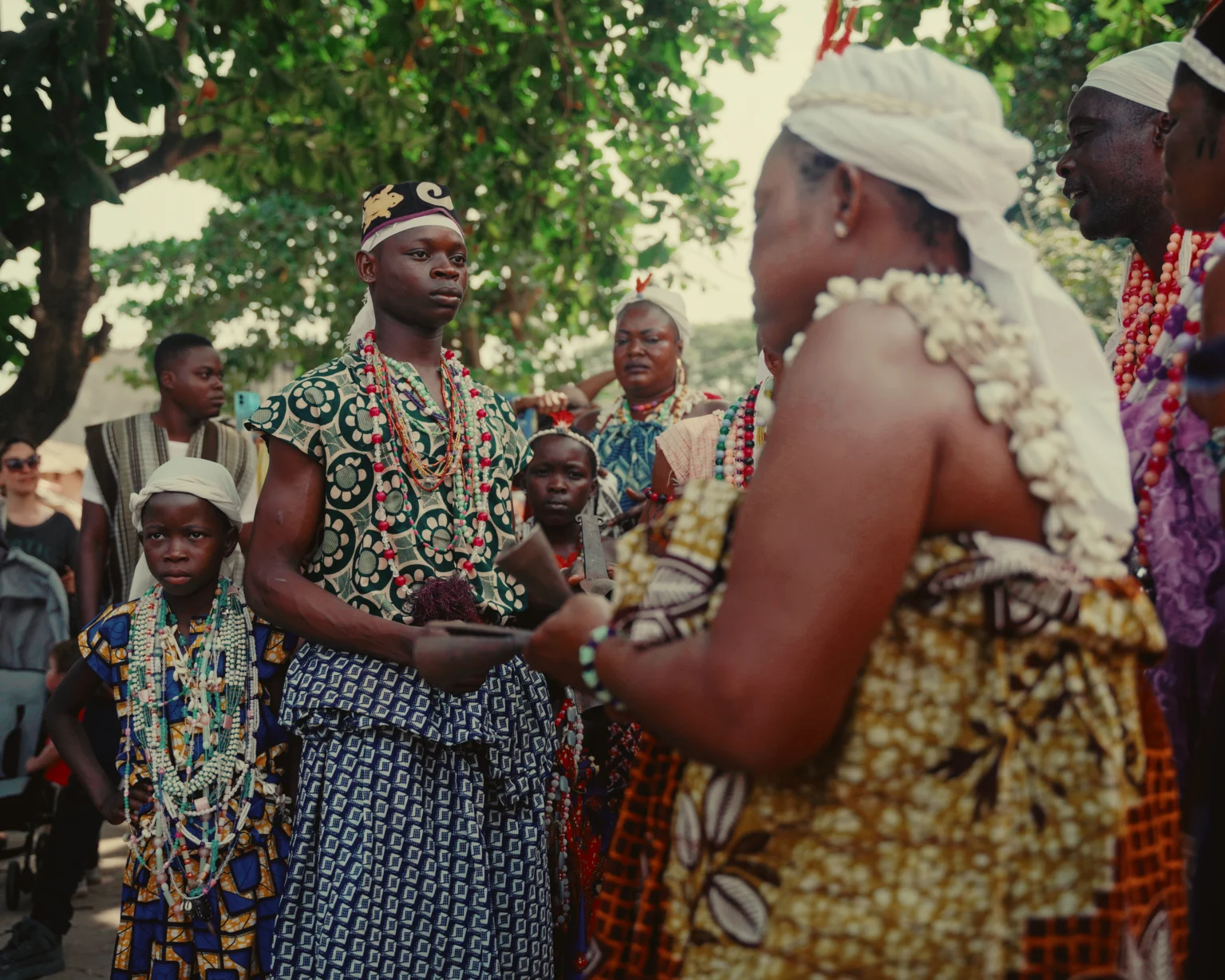
Vodun is a legitimate religion practiced by about 60% of Benin's population.The believers worship one supreme god called Mawu but there are also hundreds of vodun (spirits) that act like spiritual intermediaries. Think of them as specialized divine beings handling everything from love and fertility to justice and healing.
The Fon and Ewe peoples developed this tradition centuries ago in what is now Benin and Togo. When enslaved Africans were forced across the Atlantic, they brought Vodun with them, where it evolved into Haitian Vodou, Louisiana Voodoo, Cuban Santería, and Brazilian Candomblé.
That is right. This one West African tradition influenced spiritual practices across three continents.
So when people mock "voodoo," they are actually disrespecting a sophisticated belief system that millions of people practice today.
How a Festival Became a Revolution
For decades, vodun practitioners had to worship in secret. French colonizers tried stamping it out, calling it "primitive." Then Benin went through a Marxist phase (1975-1990) when all religion was suppressed. Vodun priests risked arrest. Sacred objects were destroyed. Entire ceremonies went underground.
Everything changed in 1996 when President Nicéphore Soglo made January 10th a national holiday and the Vodun Festival was born.
Now, government officials attend ceremonies. International media covers it. The festival has become a statement: African spirituality deserves the same respect as any world religion.
What Goes Down at the Festival
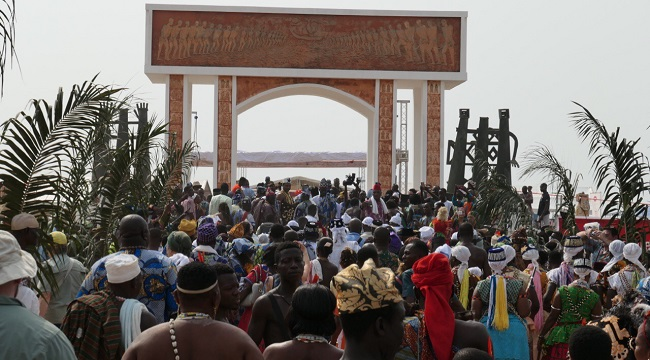
The action centers in Ouidah, a coastal city with deep historical significance — it was once a major slave trade port. Every January 10th, the city transforms into a spiritual epicenter.
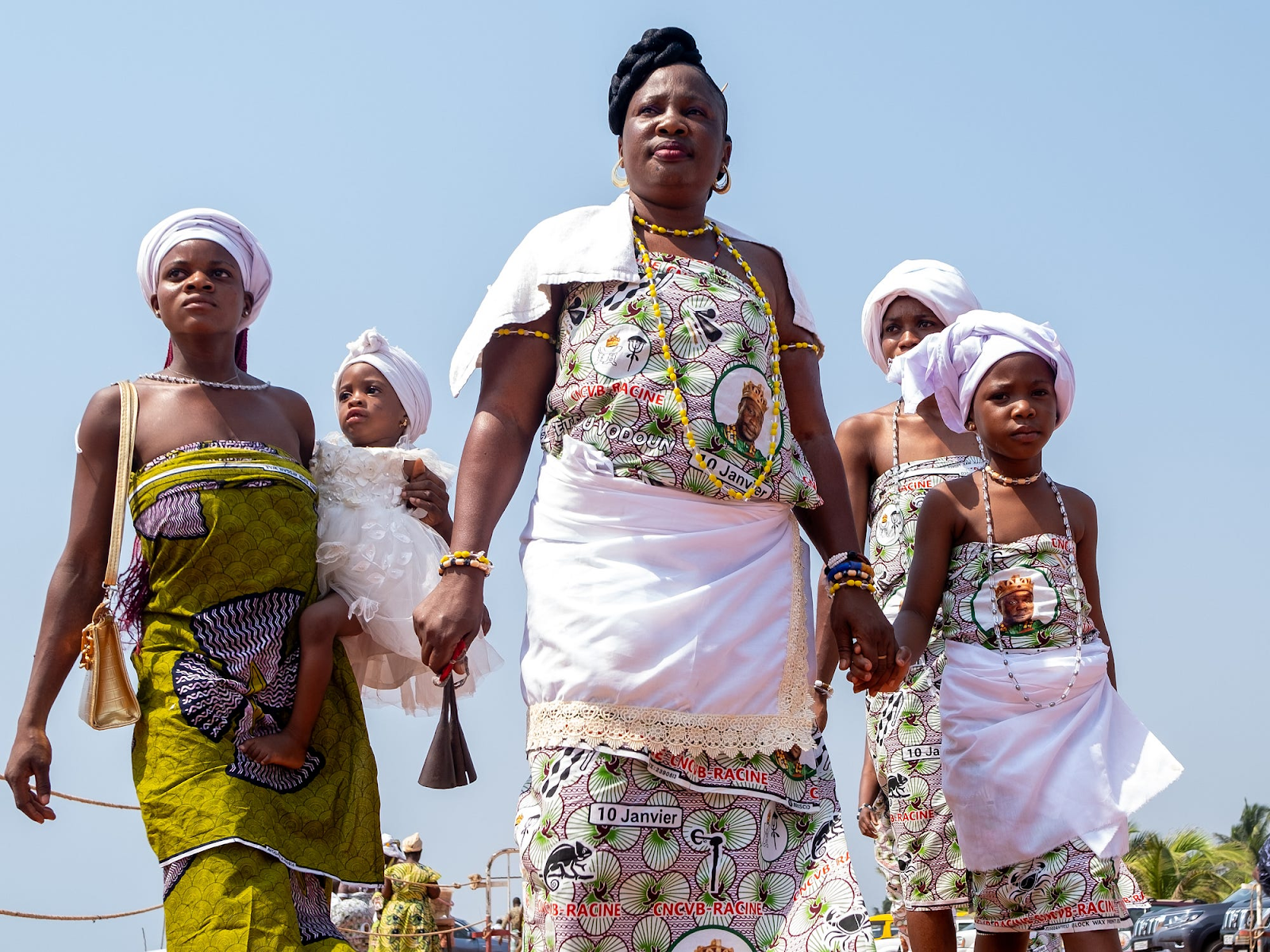
The day starts with processions. Vodun priests and priestesses, draped in white robes and traditional beads, march through streets toward the sacred sites which include ancient forest groves, beaches, and shrines. Each group honours different vodun spirits. Some ceremonies are public spectacles; others remain private and sacred.
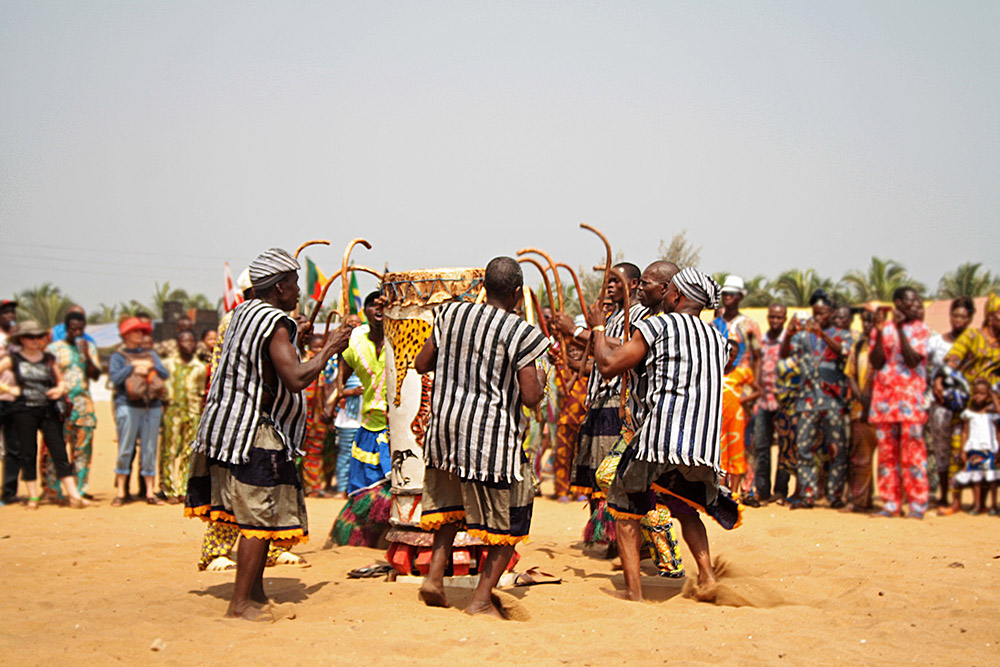
The drumming is absolutely central. They are rhythmic patterns believed to call specific spirits. When the right rhythm hits, devotees may enter trance states, their bodies becoming vessels for the vodun.
Witnesses say it is simultaneously beautiful and intense — people moving in ways that seem impossible, speaking in voices not their own, delivering messages from the spiritual realm.
Culture
Read Between the Lines of African Society
Your Gateway to Africa's Untold Cultural Narratives.
Animal sacrifices happen, usually chickens or goats, offered to the spirits. These practices have deep symbolic meaning about life, death, and reciprocity with the divine. The meat is later shared in communal meals.
Offerings of food, drink, and palm oil are presented at shrines. There is also dancing, singing, and storytelling.
The Diaspora Connection: Why This Matters Globally
The festival attracts visitors from Haiti, Brazil, Cuba, and African-American communities in the U.S. who are descendants of enslaved Africans making pilgrimage to vodun's birthplace. For many, it is deeply emotional, a connection to ancestors who carried these beliefs across the ocean despite unimaginable trauma.
This cultural exchange goes both ways. Beninese practitioners meet Haitian Vodou priests, Brazilian Candomblé practitioners, and others whose traditions evolved from the same roots. They compare practices, share rituals, and recognize their common heritage.
It is basically the ultimate family reunion, except the family was separated by centuries of slavery and colonization. The festival has become a space for healing, recognition, and celebration of survival. The fact that these traditions exist at all is an act of resistance.
The Tourism Tension: Sacred vs. Spectacle

The Vodun Festival brings serious tourism money to Benin. Hotels fill up, restaurants thrive, and the government promotes it internationally. Cultural tourism can be economic empowerment.
But some practitioners worry. When ceremonies designed for spiritual communion become Instagram opportunities, something feels off. Tourists taking photos during trance possessions? Influencers treating sacred rituals like aesthetic content? That is where tension builds.
There is a delicate balance between sharing culture and commodifying it. Some vodun communities have started restricting access to certain ceremonies, keeping the most sacred rituals private while allowing public celebrations for visitors.
The question is about approaching with respect, understanding that you are witnessing people's genuine spiritual practice, not a performance. Basically: appreciate, don't appropriate. Learn, don't exploit.