The Top 10 Most Indebted Countries in the World in 2026
Which countries owe the most in 2026? A data-driven look at the world’s top 10 most indebted nations and their debt-to-GDP ratios.
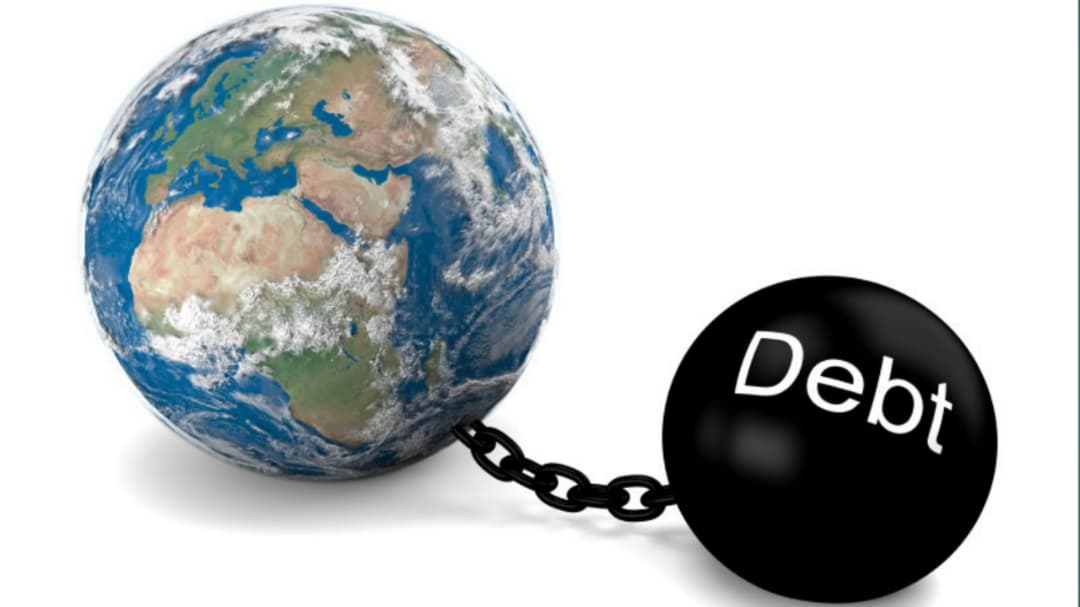
In 2026, national debt continues to be one of the most discussed topics in global economics.
National debt, also called government or public debt, is the total amount a country’s government owes creditors. This can include domestic and foreign investors, international institutions, and other governments.
There are two main ways to measure national debt.
The first is absolute debt, which is the total amount a country owes in dollars. The second is the debt-to-GDP ratio, which compares a country’s debt to the size of its economy.
GDP (Gross Domestic Product) measures how much a country produces in one year. A high debt-to-GDP ratio can indicate that a country may struggle to repay its debt.
Below are the top 10 countries with the highest government debt in 2026, ranked by total debt in U.S. dollars.

1. United States
Debt: ~$38.3 trillion | Debt-to-GDP: ~125%
The United States remainsthe world’s most indebted nationby a wide margin. Years of structural budget deficits, combined with pandemic-era stimulus, defense spending, and entitlement programs such as Social Security and Medicare, have pushed federal debt above $38 trillion.
At roughly 125% of GDP, U.S. debt now exceeds the country’s annual economic output. While investors continue to treat U.S. Treasury bonds as a safe haven, rising interest payments are consuming a growing share of the federal budget, a trend fiscal analysts warn could limit future policy flexibility.
2. China
Debt: ~$16.2 trillion | Debt-to-GDP: ~84%
China ranks second globally in total government debt. Years of infrastructure expansion, local government borrowing, and economic stimulus have expanded public liabilities to more than $16 trillion.
Although China’s debt-to-GDP ratio remains lower than that of many advanced economies, concerns persist about off-balance-sheet borrowing and strains in the property sector. Still, Beijing benefits from significant domestic savings and state control over its financial system.
3. Japan
Debt: ~$11.5 trillion | Debt-to-GDP: ~230%
Japan stands apart for a different reason: its debt burden relative to GDP is the highest among major economies. At approximately 230% of GDP, Japan’s public debt is more than double the size of its economy.
Decades of slow growth, repeated fiscal stimulus, and the costs of supporting one of the world’s oldest populations have driven borrowing upward. Much of Japan’s debt is domestically held, reducing external risk, but long-term sustainability remains a concern as interest rates gradually rise.
4. United Kingdom
Debt: ~$3.8 trillion | Debt-to-GDP: ~103%
The United Kingdom’s public debt has climbed above $3.8 trillion, surpassing 100% of GDP. Spending pressures from healthcare, energy subsidies, and economic stabilization programs have weighed on public finances.
With growth modest and borrowing costs higher than a decade ago, fiscal consolidation remains a delicate political issue in London.
5. France

Debt: ~$3.5 trillion | Debt-to-GDP: ~118%
France carries one of Europe’s heaviest debt burdens relative to its economy. Generous social welfare programs, pension obligations, and public sector spending have kept borrowing elevated.
At nearly 120% of GDP, France faces increasing pressure from European fiscal authorities to stabilize its long-term debt trajectory.
6. Italy
Debt: ~$3.4 trillion | Debt-to-GDP: ~137%
Italy remains one of the eurozone’s most financially vulnerable members. Its debt-to-GDP ratio, around 137%, reflects years of sluggish economic growth and structural inefficiencies.
High interest payments pose a continuing challenge, particularly as European Central Bank policy tightens financial conditions across the bloc.
7. India
Debt: ~$3.0 trillion | Debt-to-GDP: ~81%
India’s debt has expanded alongside its fast-growing economy. Government borrowing has supported infrastructure development, defense modernization, and social programs for its 1.4 billion citizens.
Although its total debt now approaches $3 trillion, India’s debt-to-GDP ratio remains moderate compared to many advanced economies, supported by steady economic growth.
8. Germany
Debt: ~$3.2 trillion | Debt-to-GDP: ~65%
Germany’s total debt places it among the world’s largest borrowers in absolute terms. However, its debt-to-GDP ratio is significantly lower than that of its European peers.
Berlin’s traditionally conservative fiscal approach helped limit long-term accumulation, though crisis spending in recent years temporarily increased borrowing.
9. Canada
Debt: ~$2.6 trillion | Debt-to-GDP: ~113%
Canada’s public debt surged during pandemic recovery efforts and remains elevated. With healthcare and provincial spending driving much of the increase, Canada’s debt-to-GDP ratio now exceeds 110%.
While financial markets continue to view Canada as stable, higher interest costs are adding pressure to federal and provincial budgets alike.
10. Brazil
Debt: ~$2.1 trillion | Debt-to-GDP: ~78%
Brazil rounds out the list with more than $2 trillion in public debt. Social spending commitments and economic volatility have contributed to fiscal strain.
Although Brazil’s debt ratio is lower than several advanced economies, emerging markets often face higher borrowing costs, increasing their vulnerability to financial shocks.
Absolute debt vs. economic risk

The raw dollar amounts illustrate sheer scale: the U.S., China, and Japan hold more debt than all other countries combined. These figures are important for global investors and governments because they influence interest rates, borrowing costs, and economic policy.
However, debt-to-GDP ratios often tell a more nuanced story about sustainability:
Japan’s 230% ratio suggests far heavier fiscal strain relative to its economy’s size than almost anywhere else.
Germany’s ~65% ratio shows relatively lighter debt relative to output, even though its total borrowing is large.
Emerging market dynamics
Countries such as India and Brazil have significant debt totals, but their ratios paint a more moderate picture. Growing economies can often tolerate larger debt volumes when wealth creation keeps pace with borrowing.
France, Italy, and the United Kingdom all sit above 100% of GDP, reflecting the strains of social spending, energy subsidies, and economic slowdowns in the post-pandemic era.
Understanding national debt is important because it affects global financial markets, economic stability, and future government policies.
While debt can fuel development and protect economies during crises, managing it responsibly is key to long-term prosperity.