The Real Reason Electricity Keeps Failing (and It’s Not NEPA)
The lights keep failing, but NEPA isn’t to blame. From generator empires to political manipulation, this deep dive exposes the hidden forces keeping Nigeria in darkness and what it would take to finally switch on the future.
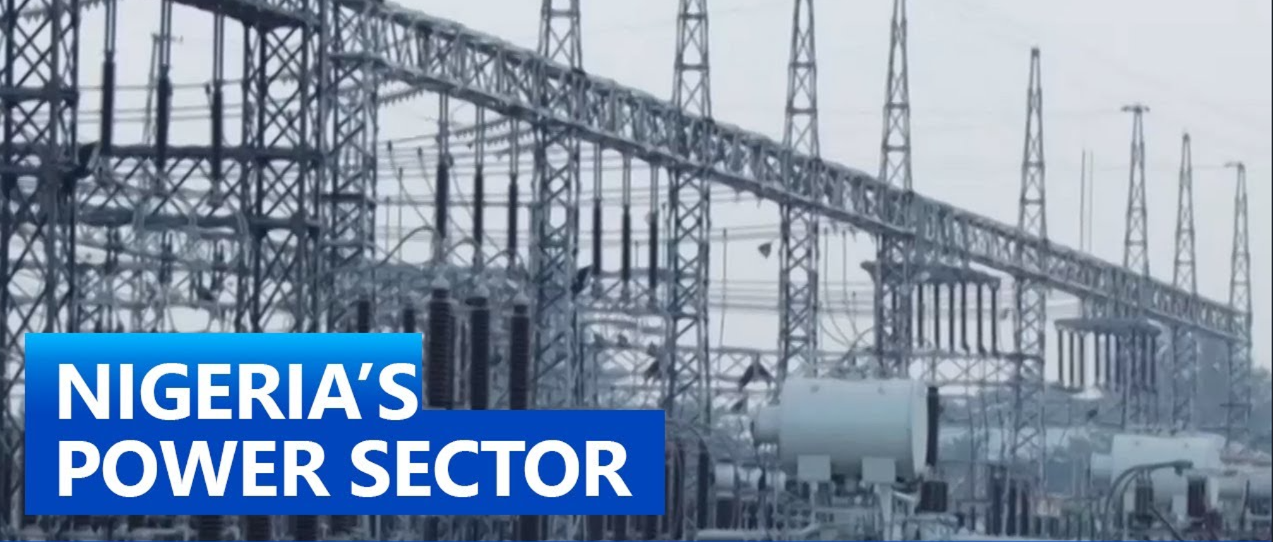
It’s almost ritualistic now: “Up NEPA!” when the lights flicker back, a national cheer for what should be normal. Every Nigerian knows that sound, the sudden click of silence, followed by sighs and the distant roar of generators. But after decades of half-hearted reforms, privatizations, and promises, it’s time to admit a painful truth, NEPA is not the problem. The real reason electricity keeps failing is because darkness itself has become a profitable business.
Behind every blackout is an invisible market thriving in the shadows. Generators, diesel, fuel suppliers, inverter merchants, and corrupt contractors form what analysts call Nigeria’s informal power economy, an ecosystem built on dysfunction. According to The Guardian Nigeria, the country loses over $29 billion annually to power inefficiency. But for some, that failure is a windfall.
Every minute of darkness fuels profit. Importers of generators and fuel rake in billions annually. Politicians award inflated contracts for substandard transformers, uncompleted power stations, and “maintenance” that never happens. The longer the lights stay out, the longer certain pockets stay full.
When Privatization Became a New Monopoly
In 2013, Nigeria privatized its power sector, a move meant to boost competition and efficiency. But instead of liberation, it became a rebranding of corruption. The government handed power generation and distribution to a select few companies, many linked to the same political class.
Experts say the model was designed to fail. Without real competition, new companies simply inherited NEPA’s inefficiencies and debt. According to Energy Central, over 80% of power distributed today still depends on outdated infrastructure from the 1970s. Yet tariffs keep rising while supply remains unreliable.
What emerged wasn’t reform, it was a corporate cartel. They own the power, the fuel, and the silence that keeps citizens waiting for “improvement.”
Across Nigerian cities, the steady hum of generators has become the soundtrack of survival. From corner shops to corporate offices, backup power is now the default plan, not the emergency one.
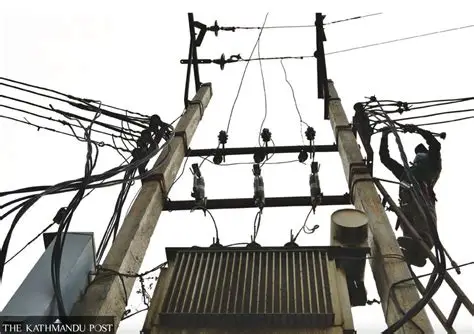
The numbers tell the story: Nigeria reportedly spends over $14 billion yearly on fuel for private generators more than the national education and health budgets combined. Multinationals pay up to 40 percent more to operate due to self-generated electricity. And while citizens burn their earnings on fuel, the state-owned grid remains weak, unstable, and underfunded.
Generators are not just backup power; they are a parallel economy, a noisy reminder that the nation’s darkness is man-made.
Nigeria’s energy policy has changed with almost every administration, creating a cycle of inconsistency and confusion. Each government launches a new roadmap, a fresh reform agenda, or a glossy “Power Vision 2020,” yet none outlives the next election.
This inconsistency discourages investors and weakens accountability. As Reuters notes, Nigeria’s generation capacity theoretically around 13,000 megawatts barely delivers 4,000 MW on most days. For comparison, South Africa (with fewer people) generates about 50,000 MW.
Every minister blames the last, while the real culprits, policy paralysis and political greed remain untouched.
Electricity projects in Nigeria have a pattern: grand announcements, inflated budgets, and quiet abandonment. The Mambilla Hydropower Project, first conceived in 1982, remains unfinished after over 40 years and billions of naira spent.
Social Insight
Navigate the Rhythms of African Communities
Bold Conversations. Real Impact. True Narratives.
Each administration revives it with a new promise and a fresh contractor. What never changes is the kickback chain consultants, officials, and middlemen siphoning funds long before a single watt is produced.
Transparency International consistently ranks Nigeria among the world’s most corruption-prone nations, and the power sector is one of its darkest corners. As one energy expert put it, “We don’t have a power problem; we have a greed problem.”
The Politics of Perpetual Promise
Election campaigns in Nigeria almost always include one sacred vow: “We will fix electricity.” Yet after each term, citizens find themselves still in the dark literally and figuratively.
Politicians use the crisis as a campaign currency. Every failure becomes an opportunity to promise anew. They understand something most citizens don’t: fixing electricity would end one of the most reliable sources of political manipulation.
If people stop depending on handouts, favors, and inflated contracts, entire power networks both electrical and political could collapse. That’s why true reform is seen as a threat, not a goal.

For ordinary Nigerians, this endless blackout is not abstract, it’s deeply personal. Students read under candlelight; hospitals delay surgeries; entrepreneurs lose stock and customers. The cost is measured not just in money but in lost potential.
The World Bank estimates that Nigeria’s unreliable power supply stifles up to 40 percent of small-business growth. That means millions of jobs and dreams extinguished each year.
And yet, Nigerians keep adapting buying inverters, sharing fuel, splitting bills, making jokes. That resilience, though admirable, has also become a coping addiction the ability to survive dysfunction instead of demanding transformation.
Nigeria’s struggle mirrors a larger African challenge. From South Africa’s load-shedding crisis to Ghana’s dumsor years, the continent’s power issues stem from a mix of poor planning, corruption, and dependency on outdated grids.
But some nations are beginning to break free. Kenya, for instance, now gets over 80 percent of its power from renewable sources, thanks to strict accountability and investment in geothermal energy. Nigeria’s size and potential mean it could lead this revolution, if it ever finds the political will to switch on the future.
Real change begins with transparency and accountability. Privatization must mean performance, not just profit. Policymakers must empower regulators to enforce penalties for underperformance and diversify into solar and renewable energy that bypass corrupt intermediaries.
Local governments can also decentralize power generation allowing states or regions to produce and distribute electricity independently. Lagos, for instance, has taken early steps through its embedded-power initiatives, but broader support is needed.
Until reform becomes people-centered, every “Power Roadmap” will remain just another document gathering dust while citizens still shout “Up NEPA!” in 2025.
Nigeria’s power crisis is not a technical failure, it’s a moral one. It reflects a system that profits more from breakdown than progress. The darkness persists not because we lack the knowledge to fix it, but because too many benefit from keeping the lights off.
Until leadership treats power as a right, not a racket, Nigeria will remain trapped in an expensive, exhausting loop. The truth is simple: we could have light tomorrow if those in power stopped seeing darkness as business.