The Power of Validation in Parent-Child Relationships
Strengthen your bond with your child: learn how validating emotions builds trust, improves communication, and supports healthy emotional growth.
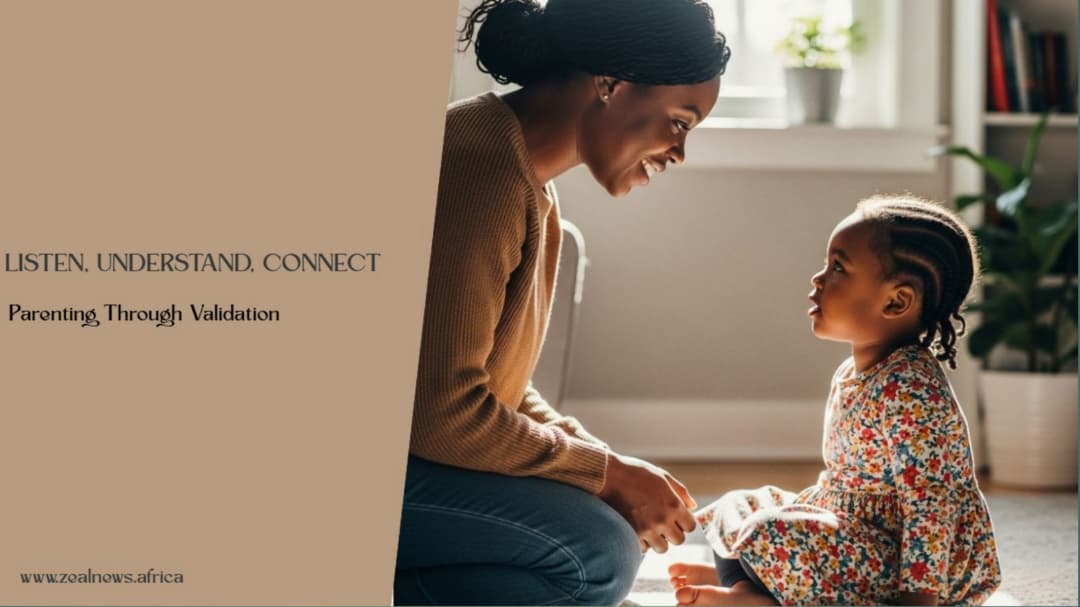
One of the best gifts you can give your child is to help them learn how to manage their emotions in a healthy manner. The most effective way to do that is through validation.
Parenting comes with plenty of emotional moments.
Sometimes kids react strongly to situations that seem small from an adult’s perspective.
In those moments, many parents instinctively try to solve the problem or minimize the emotion.
This is where validation becomes powerful.
What Validation Really Means

Validation doesn’t mean agreeing with everything your child says or does. It also doesn’t mean removing rules or expectations.
It simply means acknowledging your child’s feelings and showing that you understand them, even if you don’t agree with their behavior.
It means recognizing the emotion behind your child’s reaction.
Imagine your 12-year-old comes home upset because they weren’t invited to a classmate’s birthday party. A quick response might be, “Don’t worry about it, there will be other parties.”
But a validating response might sound like this:
“I can see why that would hurt. Being left out never feels good.”
That simple acknowledgment helps your child feel understood rather than dismissed.
Why Validation Matters
When parents validate their children’s feelings, they create emotional safety.
Children learn that they can talk openly about their experiences without being judged or brushed off.
Think about how adults feel when someone truly listens. Most people feel calmer and more supported and children also respond the same way.
Validation also helps children understand their emotions.
If a teenager says they are stressed about exams and a parent responds with, “You’ll be fine, stop worrying,” the feeling may remain bottled up.
But if the parent says, “Exams can feel really stressful. What part is worrying you the most?” It opens the door for a deeper conversation.

Over time, these conversations help children develop emotional awareness and confidence.
RECOMMENDED READ:9 Steps To More Effective Parenting
Validation Can Reduce Conflict
Many arguments between parents and children escalate because the child feels misunderstood and can be affected by negative emotions.
If a child says they hate school and refuses to study, the parent might immediately respond with frustration: “You’re being lazy, just do your work.”
But if the parent pauses and says, “It sounds like you’re feeling really overwhelmed with school right now,” the tone of the conversation changes.
Once children feel heard, they are often more willing to talk about what is actually bothering them. Maybe they are struggling with a subject, feeling pressure from teachers, or dealing with social stress.
Validation doesn’t remove the expectation to study, but it helps parents address the real problem behind the resistance.
Validation Encourages Honest Communication
Children who feel validated are more likely to talk openly with their parents, because they know that their feelings won’t automatically be dismissed or criticized.
This becomes especially important during adolescence.
Teenagers face new challenges—peer pressure, academic stress, social media conflicts, and identity questions.
If they believe you will listen without judgment, they are far more likely to share what they’re going through.
Sometimes the most helpful thing you can do as a parent can do is simply listen.
How Parents Can Practice Validation

Validation can be built into everyday interactions. Some practical ways include:
Pause and Listen – Slow down before reacting. Give full attention without interrupting or immediately giving advice.
Name the Emotion – Say things like, “You seem frustrated,” or “That must have been embarrassing.”
Show Empathy – Try to see the situation from your child’s perspective. What seems minor to an adult can feel huge to a child.
Maintain Boundaries – You can acknowledge emotions while keeping rules clear: “I understand that you’re upset, but yelling isn’t okay. Let’s talk about what’s bothering you.”
The Long-Term Impact
Over time, validation helps children develop emotional intelligence, self-esteem, and healthy coping skills.
They learn that emotions are normal and manageable rather than something to hide or fear.
It also strengthens the parent-child relationship. When children feel understood, they are more likely to trust their parents and seek support during difficult moments.