The Politics of Government Palliatives: Relief for Citizens or Public Relations for Leaders?
Government palliatives can ease hardship, but their timing, distribution, and political use raise important questions about accountability, democracy, and lasting public welfare.

There is something deeply human about receiving help when life becomes difficult. When food prices rise, jobs disappear, or a family struggles to pay its bills, a bag of rice, a cash transfer, or a temporary subsidy can make a genuine difference.
For a household deciding what to eat that evening, the immediate value of that assistance is not an abstract political question. But when such relief becomes closely associated with campaign seasons, political appearances and the distribution of branded gifts, another question emerges: are palliatives helping citizens through difficult times, or are they becoming part of how political leaders maintain public support?
Government palliatives are measures intended to reduce the effects of economic hardship, emergencies or other difficult circumstances. They can include food distribution, direct cash transfers, fuel subsidies, temporary tax relief and support for vulnerable households or businesses.
Properly designed, these interventions can protect people from sudden shocks while longer-term policies take effect. Their existence is not inherently political manipulation; the concern arises when access to relief, its timing, or the publicity surrounding it begins to serve political interests more than the needs of the people.
When Relief Becomes a Political Performance
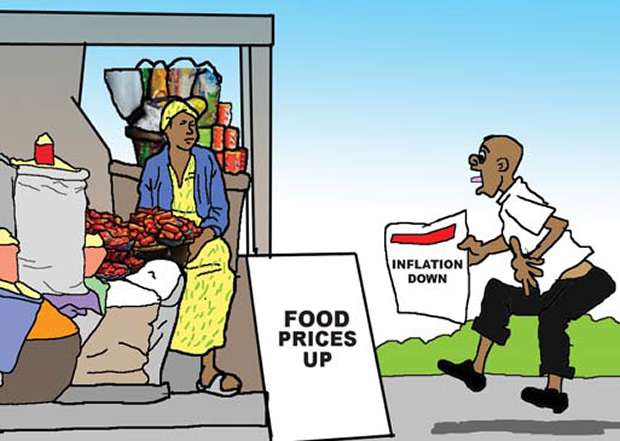
Elections create an unusual relationship between political leaders and citizens. Candidates suddenly become more visible, community visits increase, public promises multiply, and assistance may arrive in places where people have waited years for meaningful engagement.
Some of these interventions are legitimate attempts to respond to urgent needs. Others can create the impression that political attention is a seasonal offering, appearing shortly before voters make their choices and disappearing once the votes have been counted.
The problem is not that politicians provide assistance during election periods. Citizens should not have to reject useful support simply because it comes from someone seeking office. The more important question is whether the intervention forms part of a consistent public-service commitment or is a temporary gesture designed to influence political behaviour.
A leader who distributes food during a campaign but remains inaccessible after winning raises a different concern from one who continues to engage communities, publish progress and respond to complaints throughout a term.
This pattern can also affect candidates who lose elections. If their public presence ends with defeat, the relationships they built may have depended more on the possibility of political power than on a sustained commitment to the community. Citizens then become familiar with a cycle of appearances, promises, and silence, waiting for the next election to reopen conversations that should never have ended.
The Difference Between Immediate Relief and Lasting Progress
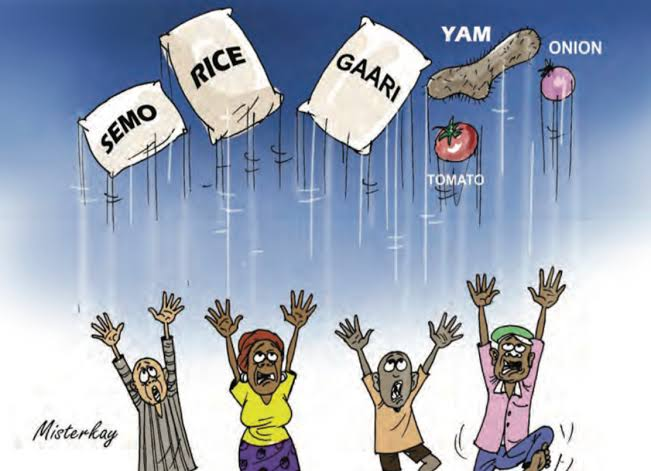
Palliatives can be necessary, especially during inflation, conflict, natural disasters, or sudden economic disruption. Governments cannot always wait for structural reforms to produce results before helping people meet immediate needs.
However, emergency assistance and long-term development serve different purposes. A food package may help a household for days, while stable employment, affordable healthcare, reliable infrastructure and effective education can influence its prospects for years.
The quality of a relief programme therefore depends on more than how much money is announced or how many items are distributed. Who qualifies? How are recipients identified? Can people understand why some households receive support while others do not?
Are funds reaching intended beneficiaries, and is there independent evidence of the programme's impact? Transparent selection criteria, accessible complaint channels, public reporting and credible audits help distinguish a functioning safety net from an exercise in publicity.
Political branding is not, by itself, proof that a programme has failed. Governments have legitimate reasons to communicate their work, and public awareness can help eligible citizens access support. But when photographs, slogans and announcements receive more attention than delivery records or measurable outcomes, citizens have less information with which to judge performance. The publicity may be visible; the actual benefit may be harder to establish.
Equal Votes, Unequal Circumstances
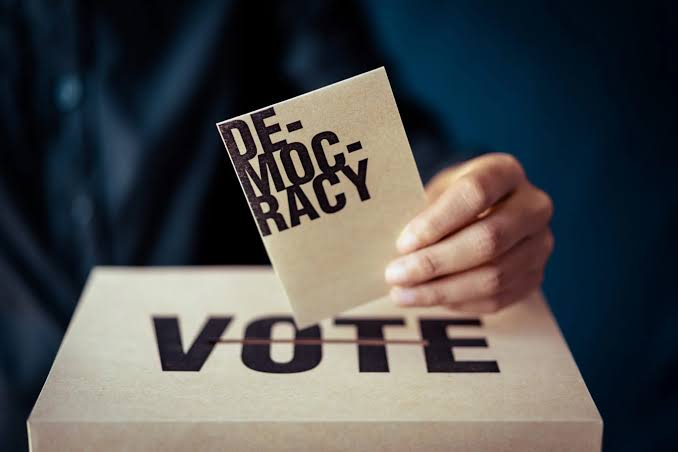
Democracy rests on political equality: citizens have equal voting rights, regardless of their wealth, education or social position. Yet people do not approach the ballot box from equal economic circumstances.
Someone struggling to feed a family today may reasonably prioritise immediate assistance, while another voter may place greater weight on a candidate's long-term plans for jobs, schools or public institutions.
Neither response automatically makes a citizen less deserving of a vote. The person receiving a palliative is not necessarily ignorant of the future, just as the voter focused on policy promises is not automatically better informed.
Severe hardship narrows people's choices, and immediate needs can understandably become more urgent than benefits that may arrive years later. The concern is whether political actors exploit that vulnerability by presenting temporary relief as a substitute for accountable government.
This is one of democracy's difficult tensions. Equal voting rights do not guarantee that every voter has equal access to information, financial security, or the freedom to evaluate political choices without pressure.

The answer, however, cannot be to question the voting rights of people who accept assistance. It is to strengthen the conditions under which citizens can make informed choices, hold leaders accountable, and demand better outcomes without risking access to essential support.
Ultimately, palliatives should be judged by the needs they meet, the fairness of their distribution, and the evidence of their impact, not merely by the political attention they generate. Citizens deserve help when they need it, not only when their votes are being sought. And leaders deserve recognition for effective public service, not simply for appearing at the moment hardship becomes politically inconvenient to ignore.
The real test of political leadership is not how generously it gives before an election, but how responsibly it governs after one. Relief can ease today's hardship, but only sustained accountability can help citizens build confidence in tomorrow.