The New Age of African Railways: Connecting Communities and Markets
African railways are undergoing a remarkable revival, connecting cities, boosting trade, creating jobs, and promoting green transport. Discover the projects transforming the continent.
(5).jpeg)
African railways are experiencing a transformative revival, reshaping the way goods, people, and ideas move across the continent. After decades of underinvestment and fragmented systems, several African nations are investing heavily in modern railway infrastructure to enhance regional integration, stimulate economic growth, and provide affordable, sustainable transport for millions. This new momentum is not just about laying tracks, it’s about connecting communities, bridging markets, and building a shared future.
Historical Challenges and the Need for Modernization
For much of the 20th century, Africa’s railway network suffered from neglect and outdated colonial-era designs. Many lines were constructed with the primary aim of moving raw materials to ports for export, rather than creating interconnected transport systems that served citizens. Over time, underfunding and poor maintenance led to declining service quality, forcing many countries to depend more heavily on road transport. According to the African Union, this limited connectivity has been one of the biggest bottlenecks to achieving the goals of the African Continental Free Trade Area (AfCFTA). Without efficient transport, intra-African trade which currently stands at just 14%, struggles to reach its full potential
(6).jpeg)
Image source: Google
Flagship Projects Driving Change
Several flagship projects are now setting new benchmarks for railway development across Africa.
In Kenya, the Standard Gauge Railway (SGR) has drastically cut travel time between Nairobi and Mombasa, revitalizing tourism, improving cargo efficiency, and boosting port activity.
In Ethiopia, the Addis Ababa–Djibouti Railway provides a critical trade lifeline, reducing transport costs for landlocked Ethiopia by connecting it to Djibouti’s port.
Nigeria has rolled out the Lagos–Ibadan Railway, easing traffic congestion, enhancing logistics, and strengthening its position as West Africa’s commercial hub.
In Morocco, the Al Boraq high-speed train, Africa’s first connects Tangier to Casablanca in just two hours, showcasing the potential for high-speed passenger travel on the continent.
Economic and Social Impact
Modern railways are more than just infrastructure, they are economic lifelines. By enabling faster, cheaper movement of agricultural produce, raw materials, and manufactured goods, rail reduces post-harvest losses, supports industrialization, and increases export competitiveness.
For rural communities, reliable rail links mean more than economic gains; they open pathways to education, healthcare, and job opportunities in urban centers. In regions where road travel is slow or unsafe, railways also provide a safer and more predictable alternative.
Cross-Border Connectivity and Regional Integration
One of the most promising aspects of Africa’s railway revival is the push for cross-border connectivity. The African Integrated High-Speed Railway Network is a continent-wide vision to link major cities, ports, and economic hubs through efficient rail corridors. Projects like the Tanzania–Zambia Railway Authority (TAZARA) and planned East African rail expansions aim to make the movement of goods and people between countries seamless.
Such infrastructure is critical for the AfCFTA, which aspires to create the largest free trade area in the world by population. A connected railway network will reduce customs delays, harmonize freight operations, and stimulate cultural exchange as people travel more freely between nations.
Sustainability and the Green Transport Agenda
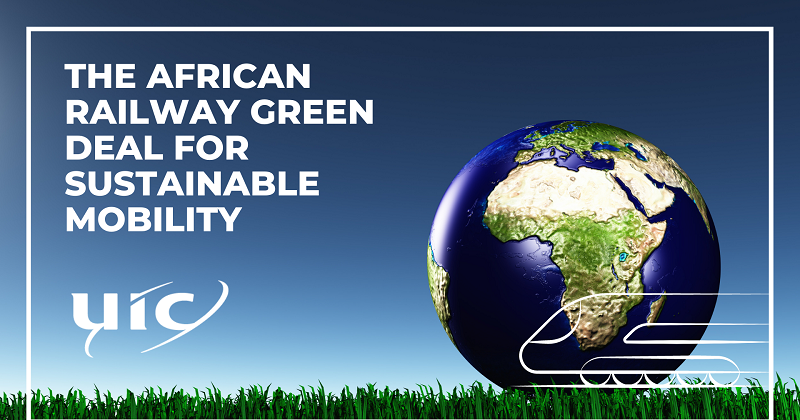
Image source: Google
Rail is increasingly seen as a key part of Africa’s green transport transition. Electric and hybrid locomotives, along with investment in renewable-powered stations, are positioning rail as a cleaner alternative to road and air travel. This shift is in line with Africa’s commitments under the Paris Agreement to reduce greenhouse gas emissions.
Countries like South Africa and Morocco are exploring solar-powered rail stations, while Egypt is developing its high-speed electric train network as part of a broader sustainable transport strategy.
Technology and Innovation in Rail Development
The modernization of African railways is also being fueled by technological innovation. Digital ticketing, real-time train tracking, and automated freight management are improving efficiency and customer experience. Drones are being used in some regions to monitor tracks and detect maintenance issues before they become costly problems.
International partnerships are playing a key role with countries like China, France, and Turkey providing technical expertise and financing. Local companies are also being empowered to build, operate, and maintain these systems, ensuring long-term skills transfer.
Tourism Growth Through Railway Expansion
The modernization of African railways is redefining travel experiences for both domestic and international tourists. Scenic routes that were once slow and uncomfortable are now becoming reliable, affordable, and even luxurious in some regions.
In Morocco, the Al Boraq high-speed train has made it possible to enjoy a breakfast in Casablanca, explore Tangier’s historic medina by lunch, and return by evening, all in comfort. In South Africa, tourist-focused rail services like the Rovos Rail offer luxury journeys that showcase the country’s breathtaking landscapes, from the Cape Winelands to the savannahs of KwaZulu-Natal.

In East Africa, Kenya’s SGR passenger service has become a popular choice for tourists traveling between Nairobi and Mombasa, offering sweeping views of Tsavo National Park, where passengers can spot elephants, giraffes, and zebras from their seats.
Tourism boards are seizing this momentum by marketing rail-based travel packages, which not only extend visitor stays but also spread tourism income to smaller towns along the route. This form of travel supports sustainable tourism, as rail emits less carbon per passenger than air or road transport, aligning with Africa’s eco-tourism goals.
Empowering Local Economies and Job Creation
Railway development is creating thousands of jobs across Africa, not only during construction but also in operations, maintenance, and related industries. For example, the Gautrain project in South Africa generated employment for local communities, while also providing long-term career opportunities for engineers, technicians, and station staff.
Furthermore, the supply chain for railway projects from steel manufacturing to catering services stimulates small and medium enterprises (SMEs), enabling them to thrive alongside major infrastructure investments.
Financing Models and the Role of Public-Private Partnerships
Funding railway infrastructure can be a major challenge, but public-private partnerships (PPPs) are emerging as a viable solution. Through PPPs, governments share investment risks with private companies, attracting international capital while retaining strategic control.
The African Development Bank has been instrumental in financing railway projects through loans and grants, while also encouraging sustainable investment practices. These models ensure projects are not only built but maintained effectively for decades to come.
Image source: Google
Conclusion
Africa’s railway renaissance is more than a transport story, it is a continental transformation. Modern rail networks have the power to unite regions, reduce poverty, promote green development, and drive economic growth. By combining visionary leadership, innovative financing, and inclusive community engagement, African nations can ensure that this momentum leads to a sustainable, interconnected future.