The Lagos Carnival You Didn't Know Existed: Afro-Brazilian History in the City
Every Easter, Lagos comes alive with the Fanti Carnival, an Afro-Brazilian celebration rooted in history, identity, and a forgotten past.
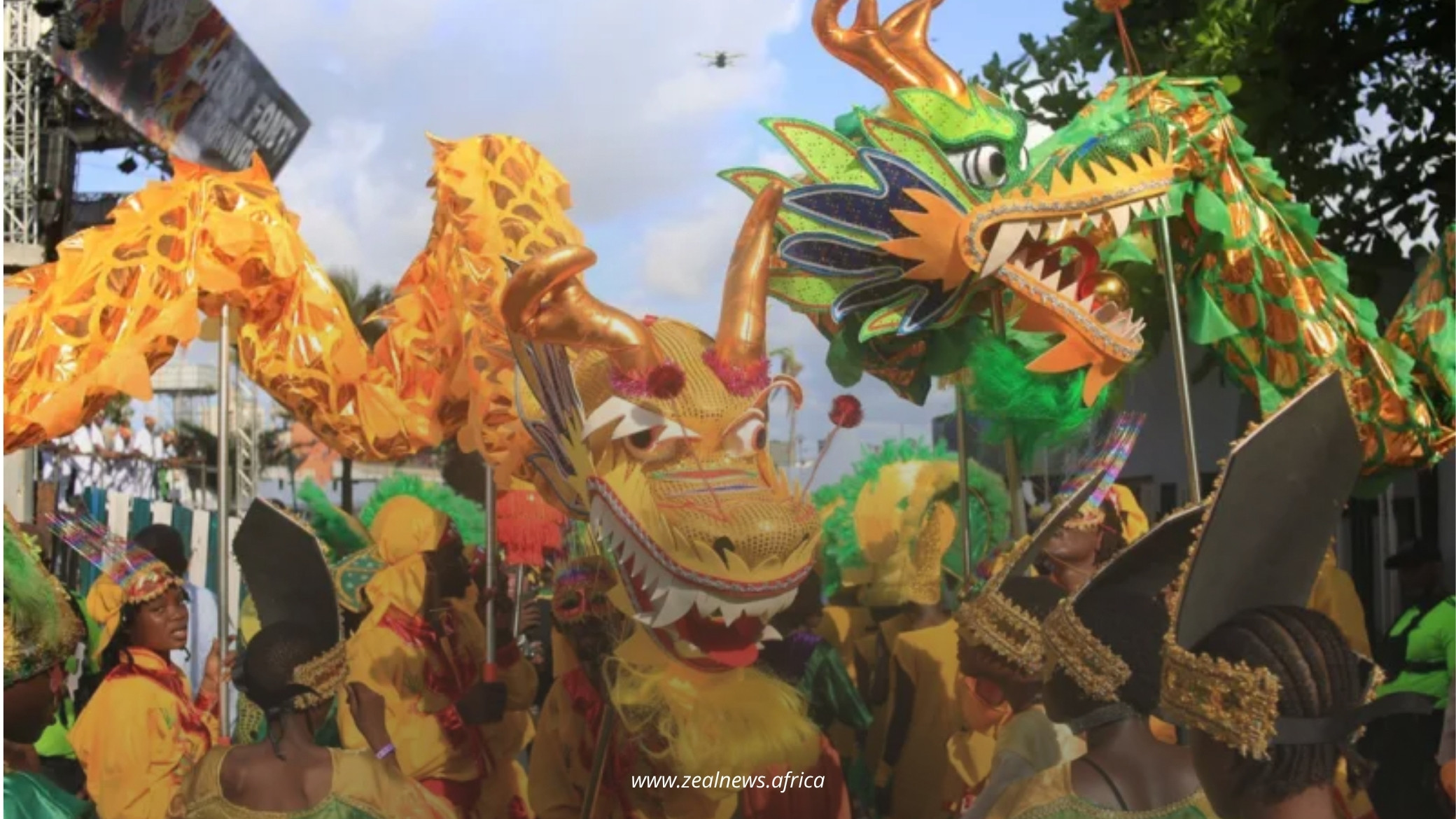
Every April during Eastertide, the streets of Popo Aguda fill with horses, body paint, feathers, and drums, and thousands of people process through Igbosere Road and Tokunboh Street toward Tafawa Balewa Square in what is arguably one of the most historically loaded celebration this city has to offer.
It is called the Fanti Carnival, and the odds are you have never heard of it.
This is not a small gathering.
This is one of West Africa's most significant cultural festivals, rooted in a story that touches the transatlantic slave trade, the resilience of Yoruba identity, and the complicated, beautiful thing that happens when a people return home carrying two worlds inside them
Who Are the Aguda?
To understand the Fanti Carnival, you have to go back to the transatlantic slave trade.
During the height of the trade, estimates suggest that up to 300,000 people were captured from the Gulf of Guinea alone and shipped to Brazil.
Most were taken to Bahia and Pernambuco, where they were forced to work on plantations and for traders but they did not forget who they were.
Their language, the Yoruba language, traditional religion and sense of identity did not die in the seas.
Then, they came back. Beginning in the 1830s, long before slavery was officially abolished in Brazil in 1888, emancipated Africans began returning to West Africa.
Some bought their freedom. Others were deported. Many were survivors of theMalé Revolt of 1835, the most significant slave uprising in Brazilian history.
When they arrived in Lagos, they carried something back with them that no enslavement had managed to take: culture.
These returnees became known as the Aguda. The word itself, derived from a non-standard Portuguese corruption of algodão (cotton), came to represent an entire identity.
By the 1850s, the Aguda had settled on the eastern side of Lagos Island, on land granted to them by Oba Idewu Ojulari, in a neighbourhood centred around Campos Square that became known as Popo Aguda, the Brazilian Quarter.
A Neighbourhood That Built a City
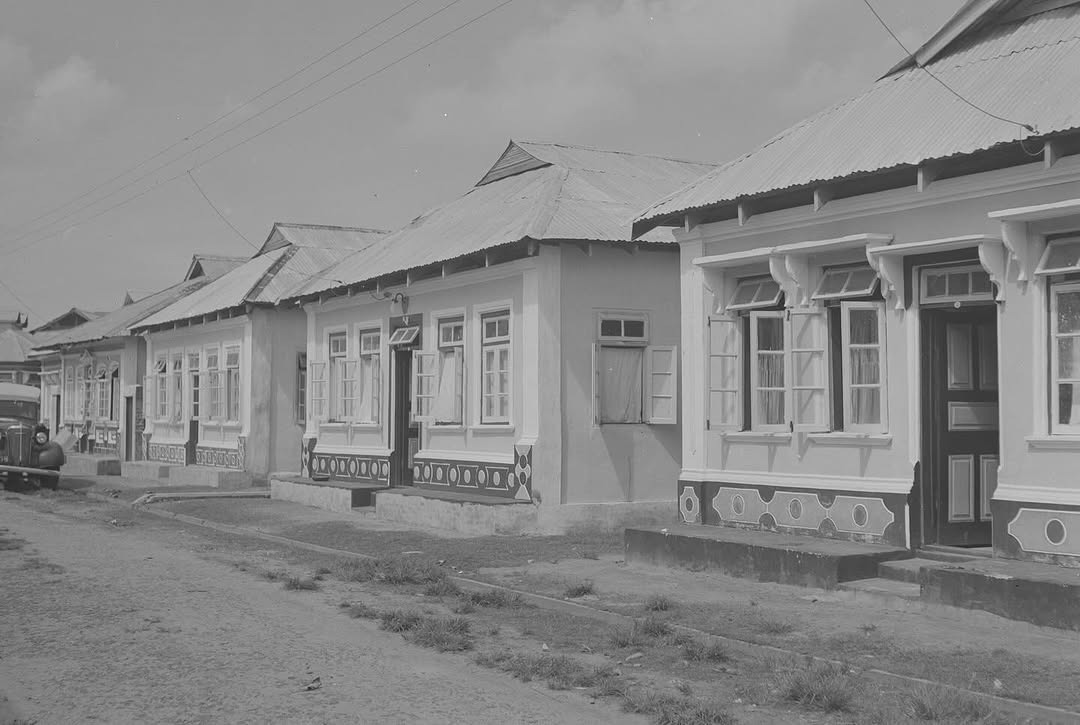
Walk through Bamgbose Street or Upper Campos today and you can still read the Aguda story, that is if you know what you are looking for. The architecture and art tells their stories.
Culture
Read Between the Lines of African Society
Your Gateway to Africa's Untold Cultural Narratives.
The Aguda were skilled craftsmen who had learned their trades in Brazil and returned as some of the most capable builders in colonial Lagos. They constructed the Holy Cross Cathedral on Catholic Mission Street.
They built the Brazilian Salvador Mosque on Bamgbose Street, one of the oldest mosques in Lagos, completed in 1848.
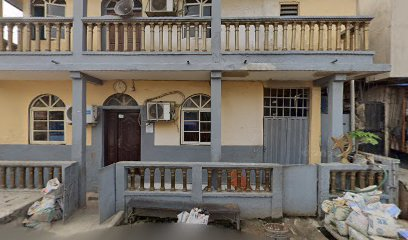
Many Aguda were Catholic; others were Muslim; others still kept faith with the Orishas. Interfaith marriages were common. The Quarter was, by the standards of any era, remarkably open.
Streets and public spaces still carry their names. Campos Square is named after a Cuban returnee, Hilario Campos.

Martins Street honours Ojo Martins, a trader who learned his craft from a Brazilian merchant and spent ten years in Rio de Janeiro before returning home to Lagos.
The Carnival Itself
The Fanti Carnival grew out of this community and its cross-cultural DNA. It is not a replica of Brazil's Rio Carnival, though the comparison is often made.
The organisers themselves describe it as "neither wholly Brazilian nor wholly Yoruba, but entirely its own."
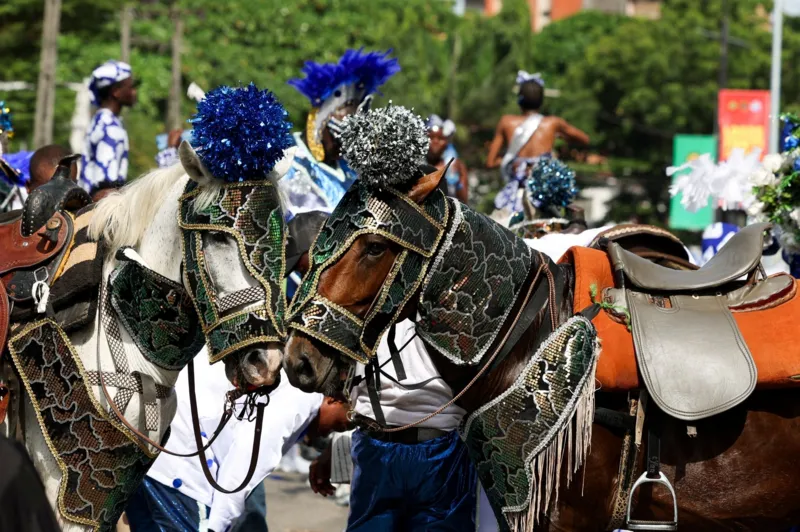
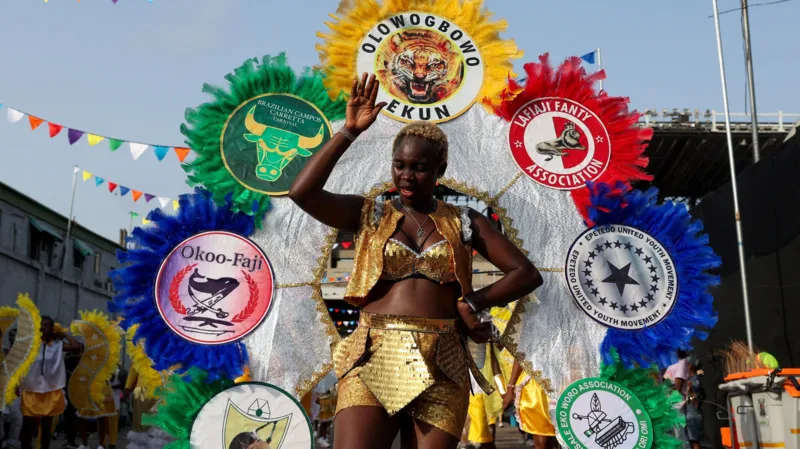
The carnival is sustained by seven historic associations rooted in the original Aguda settlements across Popo Aguda. Each association carries its own identity and signature colours; members of the Lafiaji association, for instance, always appear in red and white.
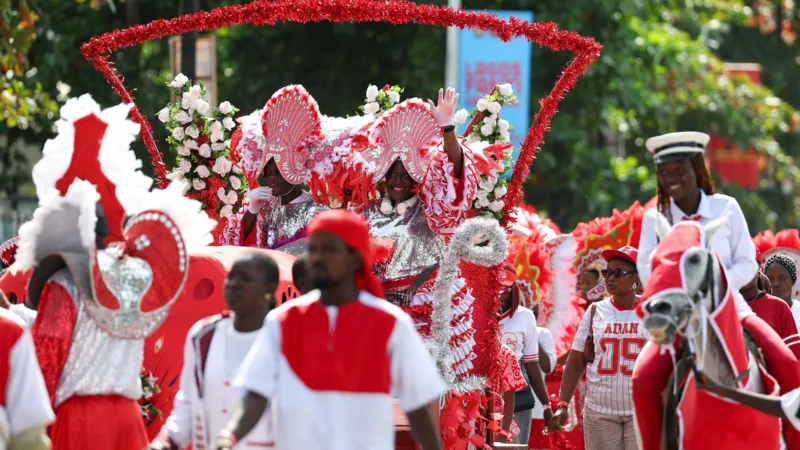
During the annual procession, these communities go through the historic corridors of Bamgbose Street, Campos Square, Igbosere Road and Tokunboh Street — the same streets their ancestors built and named — before converging at Tafawa Balewa Square.
This year's theme, "A Homecoming of Heritage," captured what the carnival has always been about.
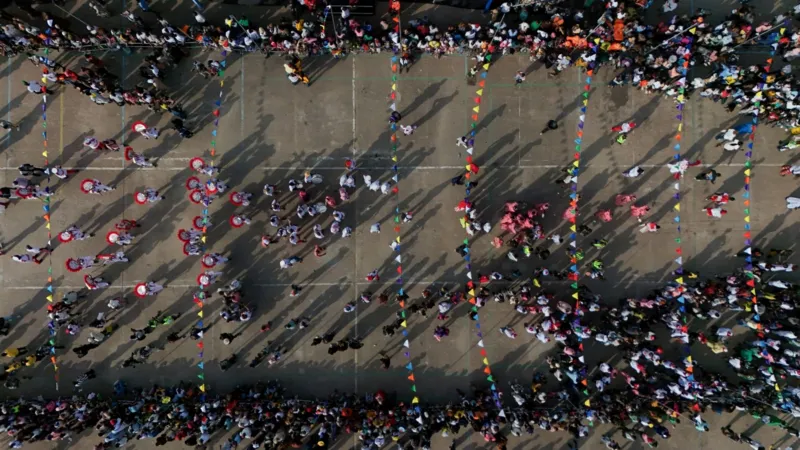
Performers wore elaborate costumes — beads, feathers, body paint — moving to the rhythms of indigenous Yoruba music fused with something older.
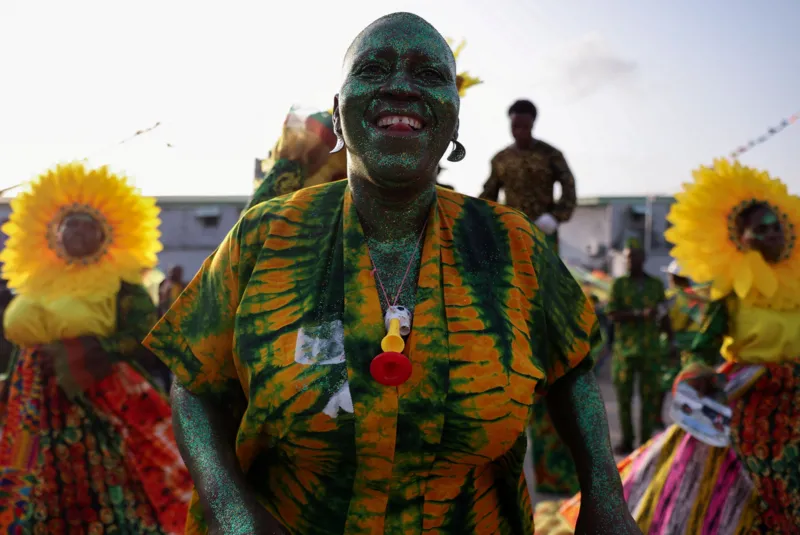
The carnival is held during Eastertide, an acknowledgment of the Catholic roots of the Aguda community, though the celebration has long since belonged to everyone.
Why It Matters Now
There is an urgency around the Fanti Carnival that goes beyond celebration. The Afro-Brazilian buildings of Popo Aguda are disappearing.
Ilojo Bar, once the social centre of the Aguda community at Tinubu Square, was torn down in 2016 despite being a gazetted national monument.
Culture
Read Between the Lines of African Society
Your Gateway to Africa's Untold Cultural Narratives.
What the Fanti Carnival does, in the face of all that erasure, is insist on remembrance. It is a living archive, held in the bodies of its participants, renewed every year by a community that understands that forgetting is also a kind of loss.
For a city that moves as fast as Lagos does, that insistence is its own kind of radical act.