The FCCPC Has Opened a Probe. What Can It Actually Do to Uber?
The FCCPC is investigating Uber’s abrupt exit from Nigeria, but what powers does the regulator have to enforce fines, refunds and consumer redress?

Uber sent out exit messages to Nigerian users and drivers on September 2, 2026, and shut down the same day. There was no wind-down window or even a transition period. They just made an announcement and an immediate switch-off.
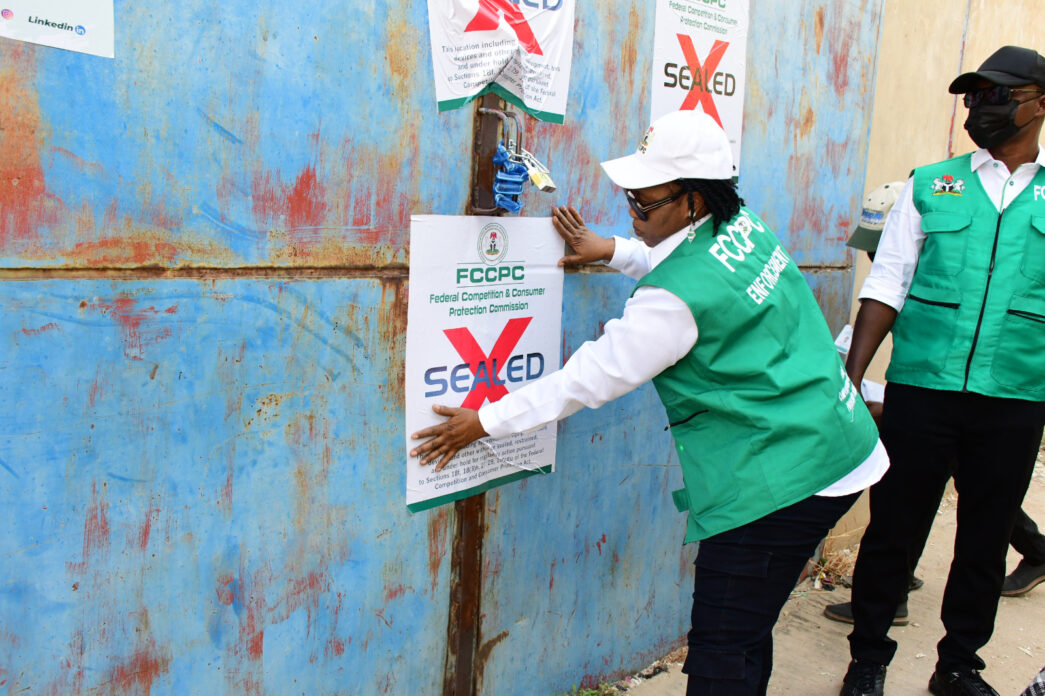
Days later, the Federal Competition and Consumer Protection Commission (FCCPC) confirmed it is investigating how that exit was handled, specifically what happens to customers and drivers left with unresolved transactions.
The bigger question now is what the FCCPC can realistically enforce against a company that has already left the country.
What Triggered the FCCPC Investigation
FCCPC chief executive, Tunji Bello, told Bloomberg that the commission is looking into the manner of Uber's exit, particularly services that were never completed for customers.
Uber's own statement framed the shutdown as a strategic decision limited to Nigeria and Uganda, part of a wider restructuring that includes cutting more than 3,000 jobs globally.
But strategy aside, an exit executed on the same day it was announced leaves an obvious gap. There are riders with pending trips, wallet balances, or ride credits, and drivers with unpaid earnings tied to the platform.

That is what regulators are now probing.
The Legal Basis for FCCPC's Powers
The FCCPC derives its authority from the Federal Competition and Consumer Protection Act (FCCPA) 2018, the law that created both the commission and the Competition and Consumer Protection Tribunal.
Under the Act, consumers in Nigeria are entitled to fair dealing, accurate information, and effective redress when a service provider fails to deliver.
A company does not need to be actively operating in Nigeria to fall under the FCCPC's jurisdiction for conduct that occurred while it was operating, or for how it wound down that operation.
This is the framework the commission is expected to lean on as it examines Uber's exit.
Administrative Fines Tied to Global Turnover
One of the FCCPC's sharpest tools is its Administrative Penalties Regulations, which allow it to calculate fines as a percentage of a company's annual turnover.
For a global company like Uber, this is important because the commission has previously indicated it can reference worldwide turnover and not just Nigerian revenue, when a multinational entity is responsible for the violation.
FCCPC has used these same regulatory frameworks against companies like Meta and British-American Tobacco in past enforcement actions, and it means any penalty against Uber would not be capped by how small its Nigerian earnings were relative to its global business.
Beyond fines, the FCCPC can order direct remedies for affected consumers. This includes compelling a company to refund unused wallet balances, ride credits, or payments for services that were never rendered.

For drivers, this could extend to unpaid trip earnings or incentive balances that were locked in the app when it went dark. Because the FCCPA is built around consumer redress as much as punishment, this remedial angle may end up being the most tangible outcome of the probe, even if it lacks the drama of a headline-grabbing fine.
Could This Lead to Criminal Prosecution
The FCCPA also carries criminal provisions for serious violations, with penalties that include imprisonment for company officials and fines pegged at a percentage of turnover upon conviction.
The commission can prosecute directly or refer a matter to the Attorney-General of the Federation.
However, it is uncertain whether an abrupt shutdown reaches this level, especially since criminal enforcement under the Act has typically targeted cartel behavior, price-fixing, or deliberate deception, not corporate exits.
Still, the FCCPC's ability to escalate gives the probe more weight than a routine inquiry.
Enforcing Against a Company That Has Left
The practical challenge is enforcement against an entity with no local office, no local staff, and no ongoing Nigerian revenue stream to draw penalties from directly.
Uber Technologies still operates across other African markets, and any FCCPC order would likely need to be pursued against the parent company or a regional subsidiary.
This is where Nigeria's regulatory reach gets tested. A fine on paper means little without a mechanism to collect it, and the FCCPC may need to rely on reputational and legal pressure, cooperation with international counterparts, or the threat of restricting future re-entry into the Nigerian market as leverage.
There is also the question of timing. Uber's decision to shut down operations the same day it notified users left almost no room for an orderly transition, unlike a phased exit that allows regulators to negotiate a wind-down plan in advance.
That compressed timeline is likely to feature heavily in the FCCPC's findings, since it speaks directly to whether Uber gave Nigerian consumers a fair chance to complete pending transactions before the platform went offline.
What This Means for Nigeria's Ride-Hailing Market
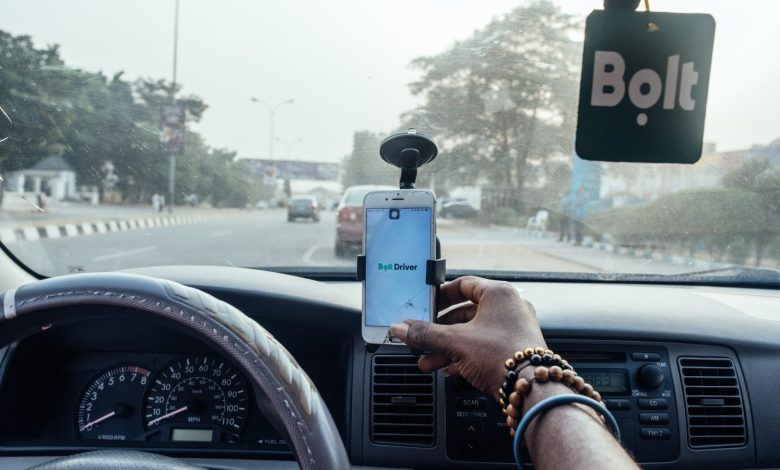
The probe lands at a moment when Bolt and inDrive are already moving to absorb the drivers and riders Uber left behind. For those companies, the investigation is a signal that abrupt exits from the Nigerian market carry regulatory consequences.
For Uber, the outcome will likely hinge more on whether it can be compelled, or persuaded, to settle outstanding obligations to Nigerian drivers and riders.
The FCCPC has real power on paper. Whether it can translate that into actual compensation for the people left stranded on September 2 is the test this probe now faces.