Africa Is Entering a More Competitive World. Can It Turn That Into Power?
India is chasing Zambia’s copper as the US, China and Europe compete for African resources. Can Africa use the rivalry to get better deals?
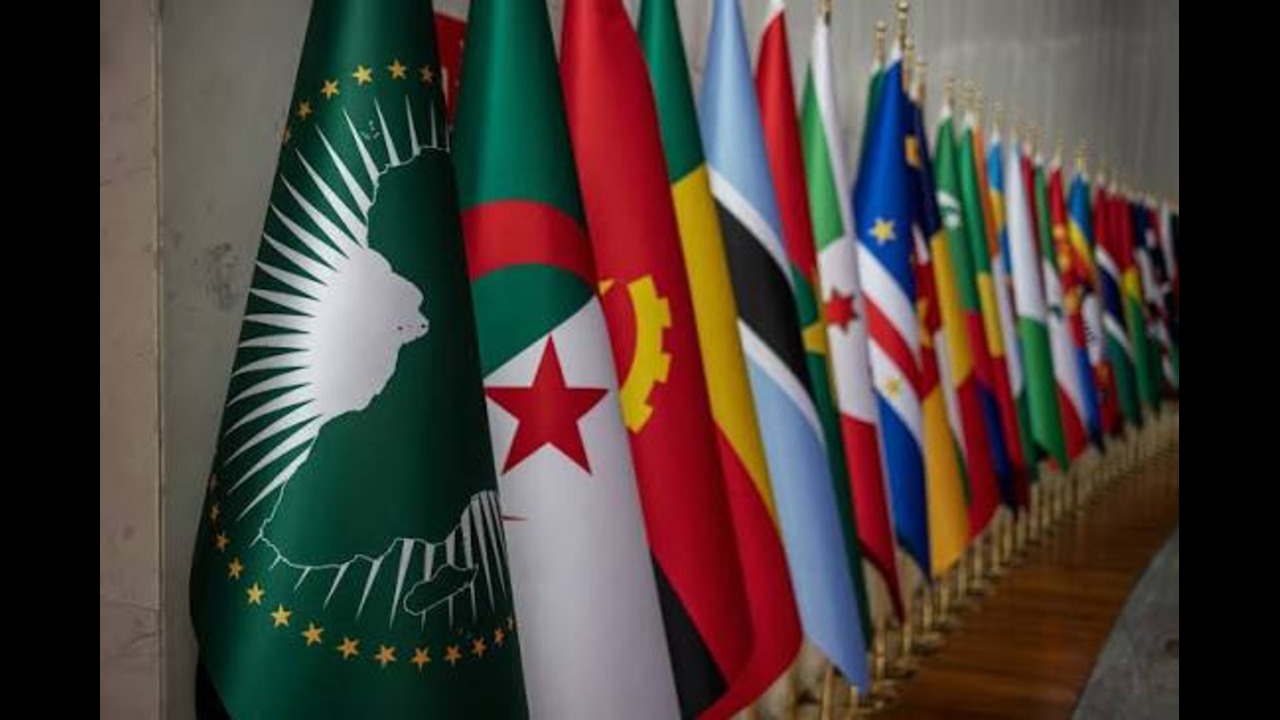
India is back at the table with Zambia over copper and other critical minerals.
Indian officials met their Zambian counterparts on August 26 to discuss investment, months after earlier talks over mining rights stalled.
India is not the only country looking.
The United States wants more secure supply chains, Europe needs raw materials, China is already deeply invested in African mining, and Gulf states are chasing the same opportunities.
African governments need foreign capital and technology as the countries bringing the money need something from Africa too: minerals, markets and access.
African countries now have something many of the buyers want. What they get in return will depend on how they negotiate.
The old relationship is changing
For years, foreign aid was a central part of Africa's economic relationship with richer countries. It is becoming less dependable.
The IMF says bilateral aid to sub-Saharan Africa fell by about 26 percent in 2025, based on early estimates, and more cuts could follow.
At the same time, major economies are paying closer attention to things they consider strategic: energy, technology, supply chains and raw materials.
Those two shifts are happening together.
Countries that once came mainly with aid are increasingly thinking about economic security, access to resources and competition with other powers. African governments have to deal with that reality, even as they still need development finance and investment.
The mineral is only the beginning
Owning a deposit isn't the same as owning the business built around it.
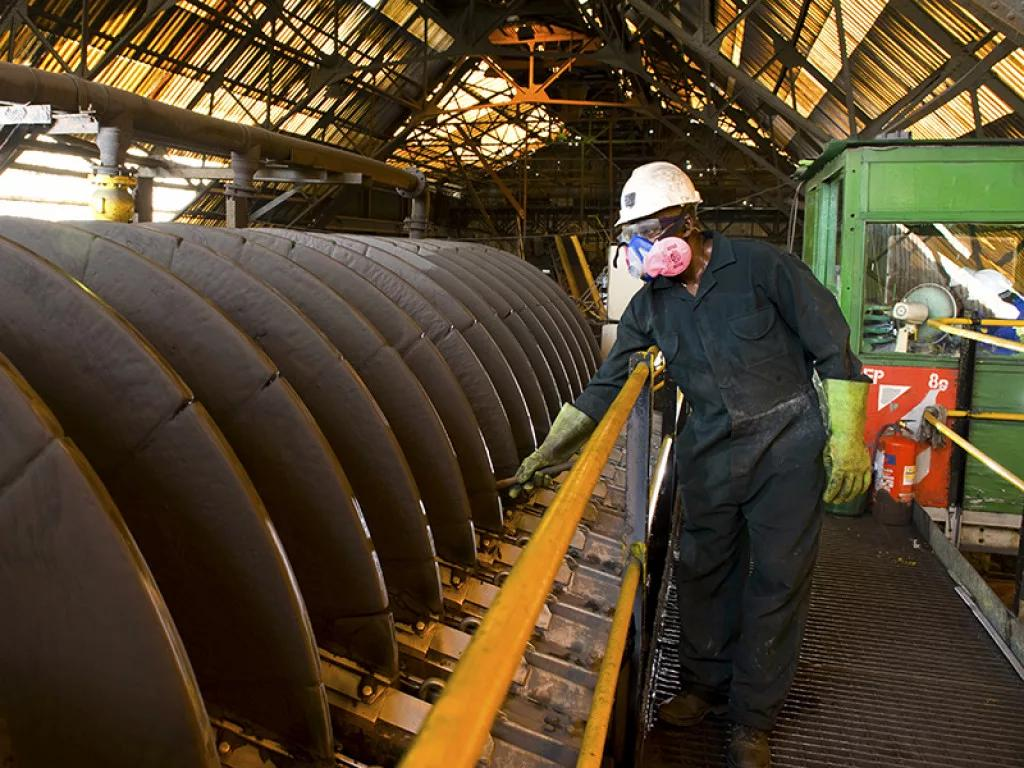
A mineral can be mined in Africa, shipped abroad, processed somewhere else, then sold back at a much higher price. A $1 billion mining deal can look impressive on paper and still leave very little behind.
So the terms matter.
Are local companies getting contracts? Are workers picking up skills that outlast the project? Is any of the processing happening in the country? Are roads, electricity or other infrastructure being built for more than one mine?
A mine eventually stops producing. The businesses and skills built around it do not have to.
This is also where the growing number of buyers matters. Zambia can now weigh India's interest against China's, America's and others'. But having several interested investors only helps if the government has enough room to say no to a bad offer.
Africa can also undercut itself
African governments do not negotiate as one bloc.

They compete for the same investors, sometimes offering tax breaks and other concessions because they fear the money will simply move to the country next door.
There is a reason for that.
Governments need investment now. A new mine can mean jobs, foreign exchange, infrastructure and tax revenue. When the choice is between an imperfect deal today and no deal at all, refusing the deal is not always politically easy.
This is the uncomfortable part of the competition. It is not only foreign companies trying to get the best terms. African countries can weaken each other by competing too aggressively for the same projects.
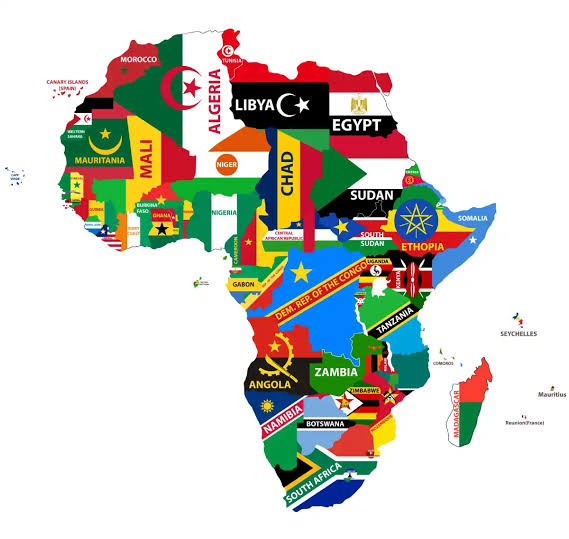
A mining company does not negotiate with Africa
A cobalt investor deals with the Democratic Republic of Congo while a copper investor deals with Zambia. Each government has its own interests, and there is nothing wrong with that.
The problem is the imbalance.
A company or foreign government can negotiate with one African country at a time. It can compare tax regimes, infrastructure, regulations and political conditions across borders.
Africa has a much larger potential market, but it is split across 54 countries.
The African Continental Free Trade Area offers a way to make that market useful. Copper could be processed in one country, components made in another and finished goods sold across the continent.
But will require more than signing a trade agreement.
Roads and railways have to connect economies, customs systems have to work, countries have to agree on standards. Goods cannot keep getting stuck at borders because of different rules or informal barriers.
There is also a political problem. Regional value chains mean one country may process the mineral while another gets the factory. Governments have to accept that some of the economic benefits will cross a border.
That can be difficult when leaders are under pressure to show voters what they brought home.
Still, a continent that can move goods, capital and components across borders has more room to negotiate than 54 countries trying to do everything separately.
Africa does not need to pick a camp
The rivalry between the US, China, Europe, India and the Gulf states is not going away.
Africa does not need to choose one side and shut out the others. It can work with several partners while making each relationship serve its own interests.