The Dark Side of Wanderlust: Is Our Obsession with "Revenge Travel" Destroying the Very Places We Lo
Your vacation photos don't tell the whole story. Uncover how global "revenge travel" fuels overtourism, displacing locals & eroding cultures worldwide.

After years of lockdowns, the global surge in "revenge travel" has filled airports and tourist hotspots, celebrated as a return to normalcy and a boost for economies.
However, this article will critically examine the mounting, often unseen, negative consequences of this tourism boom on the very destinations it purports to support. We'll delve into issues like overtourism leading to ecological degradation, cultural commodification and erosion, strained local infrastructure, and escalating costs of living for residents in popular locales from Venice to Bali, Santorini to Kilimanjaro's base camps.
Environmental Damage: The Ecological Footprint of Tourism
The post-pandemic surge in tourism, driven by "revenge travel," is significantly contributing to environmental damage in fragile ecosystems and popular natural sites worldwide. This intensified human activity leaves a substantial ecological footprint, often overwhelming the very beauty travelers seek.
One major issue is waste and pollution. Popular destinations often experience an influx of tourists that far exceeds local waste management capacities. Mount Everest, for example, is notoriously referred to as the "world's highest garbage dump," littered with discarded oxygen cylinders, plastic waste, and camping equipment from climbers.
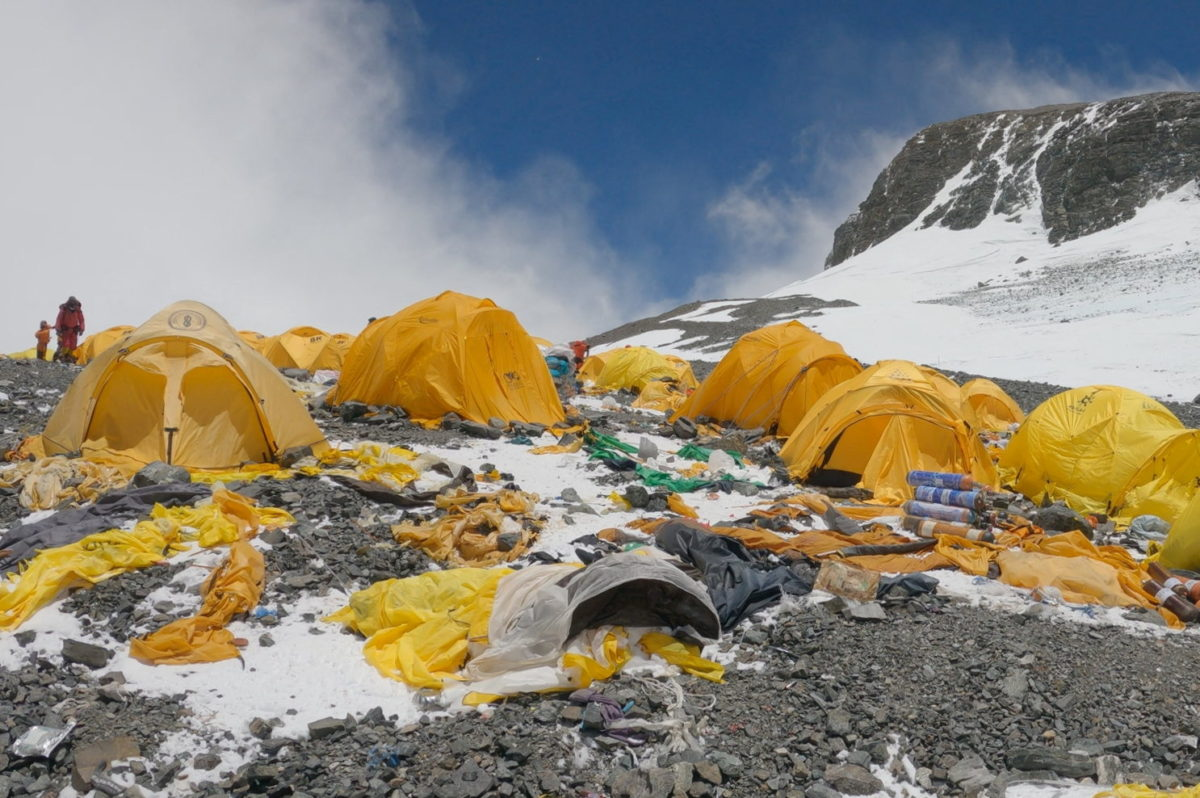
SOURCE: PBS NEWS
This uncontrolled waste not only spoils landscapes but also contaminates local water sources, impacting both human and wildlife populations [Greenly].
Coastal areas and islands, like parts of Bali, face immense pressure from increased sewage, plastic pollution washing onto beaches, and general litter, which directly harms marine ecosystems, including vital coral reefs.
Habitat destruction and resource overconsumption are also critical concerns. The development of hotels, resorts, and infrastructure to support mass tourism often leads to deforestation and alteration of natural habitats.
In places like Santorini, Greece, the booming tourism industry has put immense strain on freshwater resources, leading to significant depletion and forcing reliance on costly desalination or water imports [Greenly].
Golf courses in arid tourist regions can consume vast amounts of water, diverting it from local communities. The sheer volume of visitors can also cause physical wear and tear on natural attractions; for instance, hiking trails become eroded, and sensitive flora is trampled, especially in national parks or mountain ranges like Kilimanjaro.
Furthermore, tourism's contribution to climate change is substantial, primarily through air travel emissions. Aviation accounts for a significant portion of the tourism sector's carbon footprint. The increased frequency of flights associated with revenge travel directly contributes to greenhouse gas emissions.
Cruise ships, popular for mass tourism, also consume vast amounts of fossil fuel and emit pollutants, further intensifying their environmental impact as they've grown in size [Greenly].
This cycle of increased travel demand leading to higher emissions directly counteracts global efforts to combat climate change, putting long-term environmental sustainability at risk for the very places that draw tourists.
Cultural Erosion: Authenticity for Sale
When destinations become overwhelmed by mass tourism, the result is often the cultural erosion and commodification of local traditions and lifestyles. Authenticity can be sacrificed as local heritage is transformed into a marketable product tailored for tourist consumption.
In Venice, Italy, the impact of overtourism is profound. The city's massive influx of visitors has led to a significant decrease in the local population, as residents are often forced to move due to rising living costs and the conversion of residential buildings into tourist accommodations or short-term rentals like Airbnbs.

SOURCE: Google
This turns a living, breathing city into what many locals perceive as a "theme park," with fewer native Venetians and a proliferation of tourist-centric shops and restaurants that displace traditional businesses. The daily rhythm of Venetian life is disrupted, and a sense of community is lost.
Similarly, in places like Bali, Indonesia, the island's spiritual traditions and natural beauty have drawn millions.

SOURCE: Google
However, rapid, often unregulated tourism development has led to the commercialization of sacred sites, altered traditional ceremonies to fit tourist schedules, and introduced foreign influences that dilute indigenous practices.
Balinese dances, once performed for religious purposes, are now often staged primarily for tourist entertainment, potentially stripping them of their original meaning and context. This "staged authenticity" can gradually erode the true cultural significance for locals.
In Kyoto, Japan, particularly in districts like Gion famous for geishas, mass tourism has led to increased disrespectful behavior from visitors, including unauthorized photography of geishas and trespassing on private property.
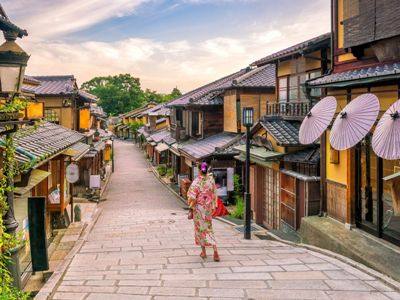
SOURCE: Google
Such incidents force residents and traditional cultural practitioners to retreat, impacting the very environment that sustained these traditions. Signs prohibiting certain activities, including touching geisha or littering, have become common, signaling the tension between visitors and local cultural preservation.
These examples demonstrate how local cultures are not merely observed but are often reshaped or diminished by the demands of the tourism industry.
Traditional practices may be altered, languages less spoken as English becomes dominant for tourism, and local markets replaced by souvenir shops.
The pursuit of economic gain can inadvertently lead to the loss of unique cultural identity, leaving behind a less authentic, often curated, experience that benefits tourists while disempowering local communities.
Beyond Individual Choices: Shared Responsibility for Sustainable Travel
Addressing the dark side of wanderlust requires more than just individual traveler choices; it demands a collective responsibility from travel companies, governments, and international bodies in promoting genuinely sustainable tourism that benefits local communities without exploiting them.
Travel companies hold significant power. Tour operators, airlines, and accommodation providers should prioritize sustainability in their business models. This includes offering eco-friendly packages, investing in green infrastructure, and transparently reporting their environmental impact.
They can actively promote less-visited destinations to disperse crowds, educate travelers on responsible behavior, and ensure fair wages and safe working conditions for local employees. Companies can also partner with local conservation efforts or community projects, diverting a portion of their profits to support local well-being and environmental protection.
Governments and local authorities are crucial in establishing and enforcing effective policies. This means implementing visitor caps in sensitive areas (e.g., Machu Picchu, Venice), introducing tourism taxes that directly fund environmental protection and infrastructure, and developing zoning laws that prevent unchecked development.
Policies should aim to diversify tourism offerings beyond popular hotspots and invest in public transport to reduce carbon footprints.
Governments can also support local small and medium-sized enterprises (SMEs) to ensure tourism benefits are distributed equitably among residents, preventing wealth concentration in large, often foreign-owned, corporations.
For instance, some destinations are experimenting with digital passes to control tourist flow, as seen in Venice's attempt to manage day-trippers.

International bodies like the United Nations World Tourism Organization (UNWTO) play a vital role in setting global standards and fostering collaboration.
They can provide guidelines for sustainable tourism development, promote best practices, and facilitate knowledge sharing among nations.
The UN's Sustainable Development Goals (SDG target 8.9 and 12.b) explicitly highlight the importance of devising and implementing policies to promote sustainable tourism that creates jobs and promotes local culture and products.
These bodies can also advocate for stronger regulations on carbon emissions from the travel sector and encourage responsible investment.
Ultimately, truly sustainable tourism is a shared endeavor. It moves beyond short-term economic gains to focus on the long-term well-being of destinations, environments, and communities.
By collaboratively implementing stricter regulations, innovative business practices, and robust educational initiatives, we can begin to mitigate the "dark side of wanderlust" and ensure that our desire to explore enriches, rather than erodes, the places we cherish.