New Sky Soars: Sabar Airlines Launches from Nairobi!

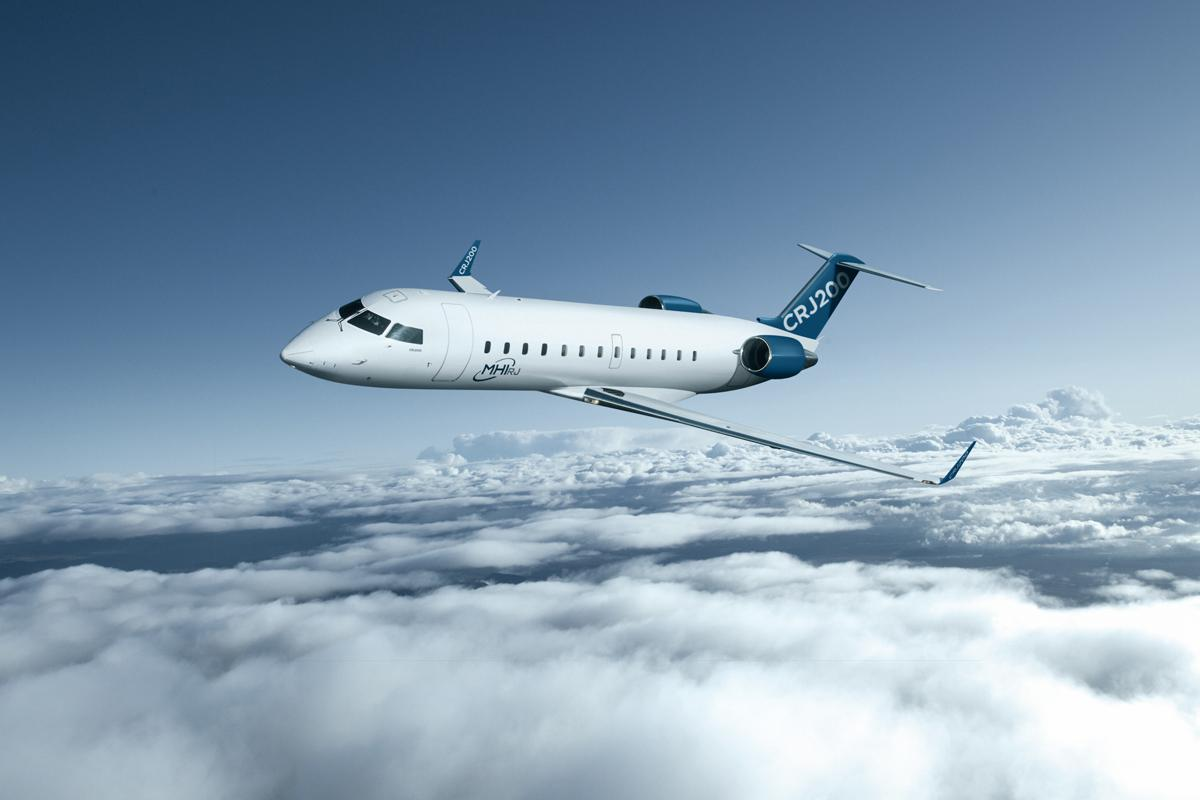
Sabar Airlines, a new Nairobi-based carrier, has welcomed a Bombardier CRJ-200 regional jet, signaling increased flight frequencies on the vital Nairobi–Juba route. This strategic move reflects a focus on cost-effective regional operations and ambitions for expansion into underserved markets like Somalia and Somaliland, fostering new opportunities for East African air travel connectivity.
Precious Eseaye
Precious EseayeTravel3 hours ago4 minute read
New Sky Soars: Sabar Airlines Launches from Nairobi!

Sabar Airlines, a newly launched carrier based in Nairobi, has significantly enhanced its operational capabilities by officially welcoming a Bombardier CRJ-200 regional jet into its fleet. This strategic delivery marks a pivotal moment for the young operator, which has been steadily establishing its presence in the East African skies since commencing operations earlier this year. With this crucial addition, Sabar Airlines is poised to increase its flight frequencies on the commercially vital Nairobi–Juba corridor, a key route connecting Kenya with South Sudan.

The Bombardier CRJ-200 is widely recognized as an ideal workhorse for regional aviation across the African continent. Offering a comfortable capacity for approximately 50 passengers, this aircraft is perfectly suited for routes where demand is consistent but not high enough to warrant the deployment of larger jets. Its robust reputation is built on attributes such as low maintenance costs, strong dispatch reliability, and proven operating economics, making it a preferred choice among carriers serving "thinner markets." Similar aircraft models are already successfully integrated into domestic and cross-border networks in countries like Zambia, Nigeria, Kenya, and Sudan.

Sabar Airlines' decision to bring the CRJ-200 into service aligns with a broader trend observed among African start-up carriers. These emerging operators are increasingly adopting pragmatic fleet strategies, opting for cost-effective, right-sized aircraft to facilitate gradual growth without over-committing on capacity. This development holds significant implications for travel trade professionals throughout sub-Saharan Africa. It suggests that new entrants in the aviation sector are focusing on serving previously underserved routes rather than engaging in direct competition with legacy carriers on high-density corridors. This approach is expected to unlock fresh opportunities for tour operators, corporate travel managers, and destination marketers looking to expand their offerings into nascent markets within the Horn of Africa and the broader East African region.

The Nairobi–Juba route, which will benefit from the increased frequencies offered by the newly delivered jet, serves as a vital lifeline for a diverse range of passengers, including business travelers, humanitarian workers, government officials, and members of the South Sudanese diaspora. Enhanced flight availability directly translates into greater flexibility for these passengers, more competitive fares, and improved connectivity between two capitals whose economies are becoming increasingly intertwined. For tourism professionals, better air links also foster stronger prospects for developing niche travel products, such as cultural, religious, and business tourism packages specifically targeting the wider East African region.

Beyond its current operational scope, Sabar Airlines has openly articulated its ambitions for expansion into Somalia and Somaliland. These markets remain relatively underserved by scheduled commercial aviation yet possess considerable potential for growth. Cities such as Mogadishu and Hargeisa are experiencing steady economic recovery, and the volume of diaspora traffic between these destinations and Nairobi remains consistently high. Should the airline successfully launch these prospective routes, it could strategically position itself as a key connector across a region where reliable air services have historically been limited.

Industry observers interpret Sabar's fleet expansion as an integral part of a wider revival in African regional aviation. This resurgence is characterized by the emergence of new carriers that employ leaner business models, leverage modern digital tools, and maintain a sharp focus on customer experience. For African travel sector stakeholders, the message is clear: the coming years will bring increased choice, heightened competition, and expanded opportunities to design innovative travel itineraries that capitalize on improved regional connectivity. Agencies that forge early relationships with these emerging carriers are well-positioned to reap benefits as these operators scale up their networks. As Sabar Airlines steadily grows its footprint, its trajectory will be closely monitored as a barometer for how start-up carriers can achieve success within Africa's challenging aviation environment. With the right aircraft, a focused route strategy, and a clear vision for regional expansion, the airline appears well-positioned to carve out a meaningful role in shaping the future of East African air travel.

Loading...