How AI's Growing Energy Demand Is Driving the Rise of Small Modular Reactors (SMRs)
AI is driving a surge in electricity demand. Discover why tech giants are investing in Small Modular Reactors (SMRs) and how nuclear power could fuel AI's future.
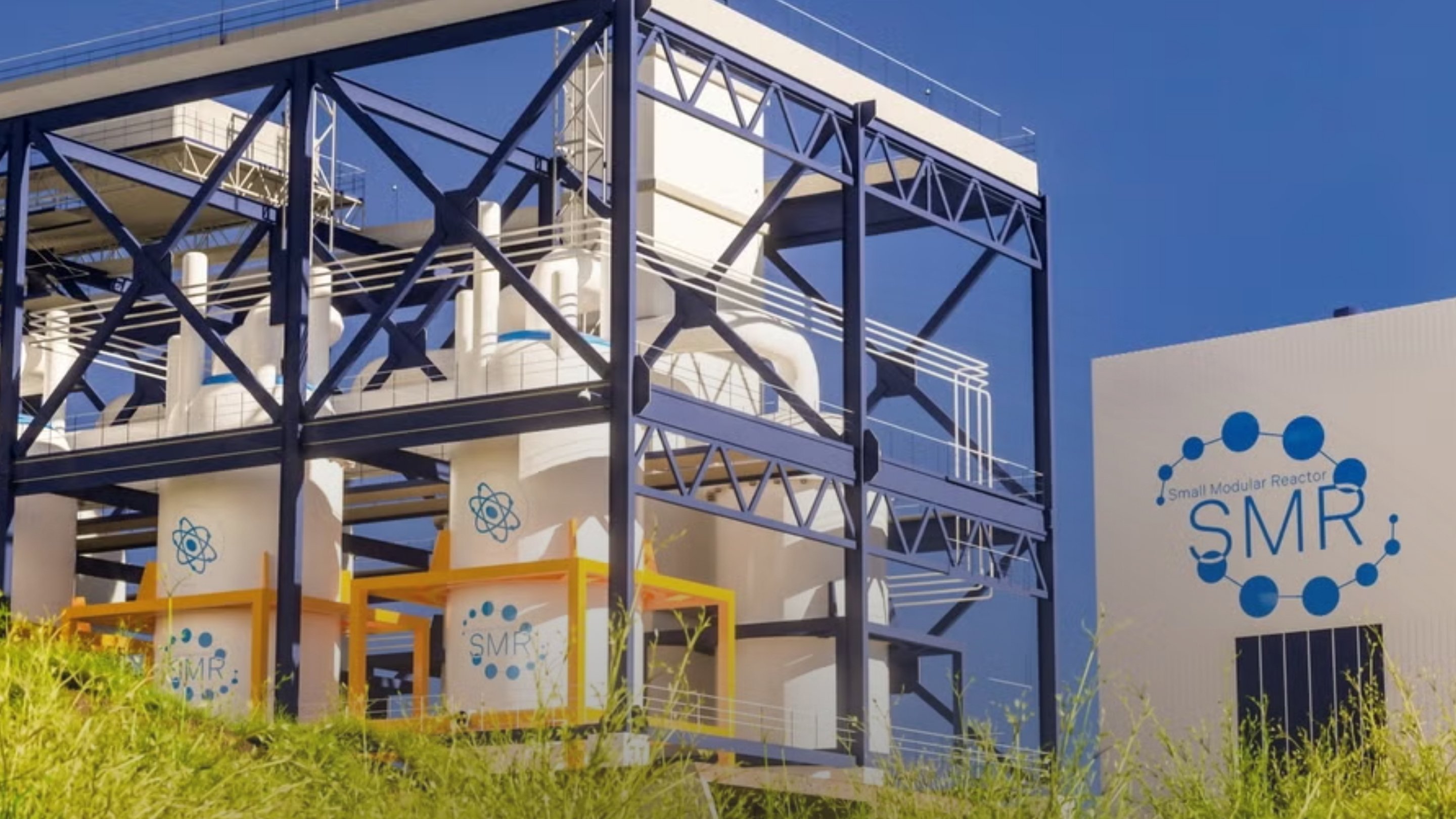
A single server rack inside a modern AI data center is roughly the size of a large refrigerator. By 2027, that one rack could draw as power for 65 households combined.
Multiply that across thousands of racks and it becomes clear why the world's biggest tech companies are now building their own nuclear plants, instead of buying electricity.
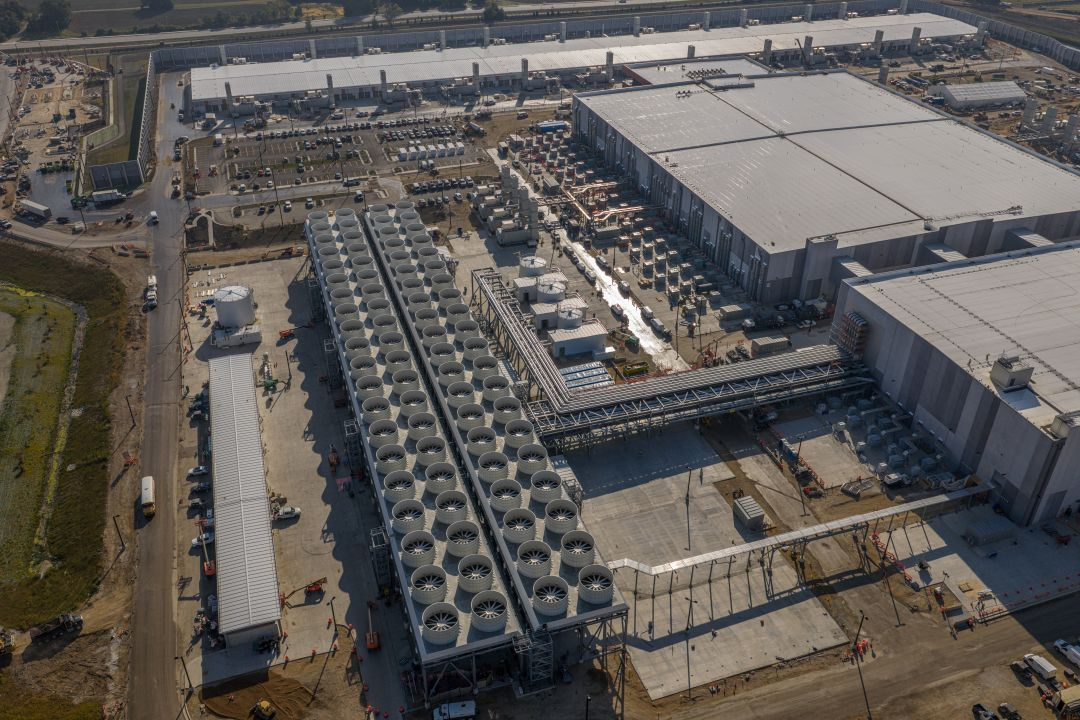
Why AI Data Centers Are Straining Global Electricity Systems
Global data center electricity consumption stood at around 415 terawatt-hours in 2024, close to 1.5% of total global electricity use. That figure had already been climbing at roughly 12% a year over the previous five years, but 2025 marked a sharper turn.
The overall data center electricity demand jumped by about 17%, while consumption from AI-focused facilities specifically surged by around 50%.
Major AI model providers reported user bases tripling and revenue growing fivefold within a single year, a pace of adoption that is now outrunning the physical infrastructure meant to support it.
Under current base-case projections, global data center electricity consumption is expected to roughly double again, reaching close to 950 terawatt-hours by 2030, and possibly climbing toward 1,200 to 1,300 terawatt-hours by 2035.
In the United States, the largest data center market, electricity used for data centers is projected to soon exceed the combined consumption of the country's aluminum, steel, cement and chemical industries.
Power density is part of the story too. The electrical intensity of AI servers rose roughly elevenfold between 2020 and 2025 and is expected to nearly quadruple again by 2027 which would strain transformers and grid connections never designed for such concentrated load growth.
The Baseload Problem Renewables Alone Cannot Solve
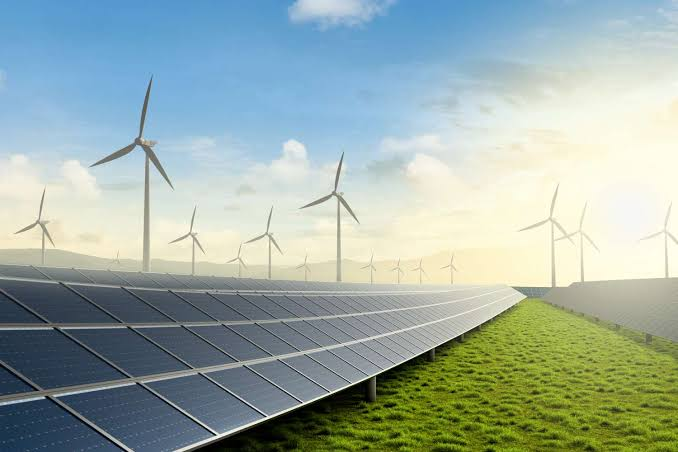
Renewables currently supply close to 27% of the electricity consumed by data centers worldwide, with natural gas contributing about 26 percent and nuclear providing around 15 percent.
Wind and solar remain the fastest-growing sources feeding this demand but they are subject to nature, generating power only when the sun shines or the wind blows. AI training and inference workloads, by contrast, require continuous, always-on power with minimal fluctuation, since large model training runs and live inference services cannot simply pause when generation dips.
This mismatch between intermittent supply and constant demand is precisely why nuclear power, and small modular reactors in particular, have moved from a niche climate solution to a central pillar of AI infrastructure planning.
Coal and natural gas can technically fill the same gap, and in the near term they are doing exactly that, meeting over 40% of additional data center electricity demand through 2030.
However, hyperscalers committed tolong-term decarbonization targets are increasingly looking past fossil baseload toward nuclear generation that can run for decades without direct carbon emissions.
What Sets Small Modular Reactors Apart From Conventional Nuclear Plants
Traditional nuclear reactors are enormous and custom-engineered projects that typically take a decade or longer to build and often exceed their original budgets many times over. Small modular reactors take a different approach entirely.
Most designs generate between 50 and 300 megawatts and are manufactured largely in factories rather than assembled entirely on site. That modularity is meant to compress construction timelines to somewhere between three and five years, while allowing operators to add reactors incrementally as demand grows rather than committing to one massive facility upfront.
Several distinct reactor technologies are competing for this market. Some, like NuScale's light-water design, iterate on proven reactor physics already used in conventional plants.
Others represent a genuine generational leap. For instance, Kairos Power's fluoride-salt-cooled reactors, X-energy's helium-cooled pebble-bed design and Oklo's fast-spectrum metallic-fuel microreactor all use fuel forms and cooling systems that have never operated commercially in the Western world.
This means nearly every SMR project currently tied to a data center is a first-of-a-kind deployment, carrying the engineering and regulatory uncertainty that comes with proving an unproven design at scale.
Inside the Nuclear Deals Powering Big Tech's AI Buildout
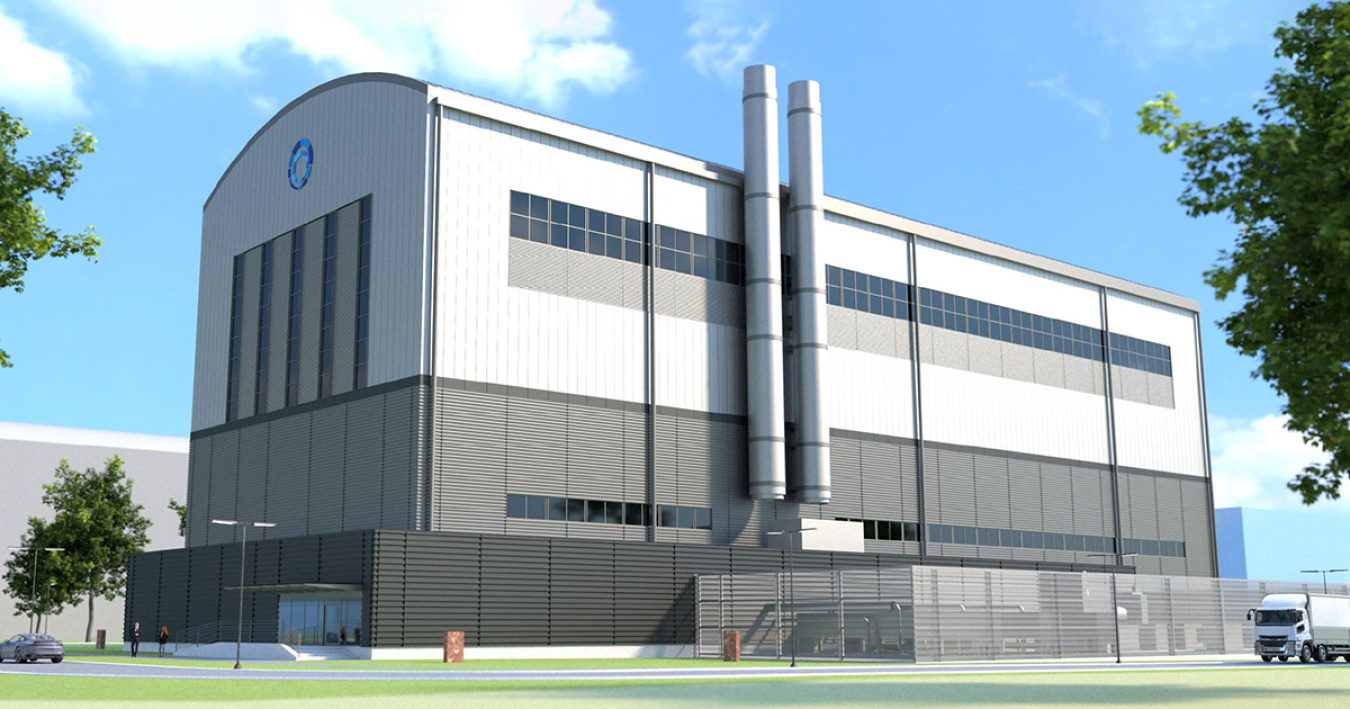
The scale of corporate commitment to this technology has grown quickly. The pipeline of conditional agreements between data center operators and SMR developers expanded from around 25 gigawatts at the end of 2024 to roughly 45 gigawatts today, almost doubling in about a year.

Google signedthe first corporate power purchase agreement tied to small modular reactors, partnering with Kairos Power on its Hermes project in Oak Ridge, Tennessee with an initial 50 megawatts expected to reach the grid by 2030 and scale toward 500 megawatts by 2035.
Amazon has committed several hundred million dollars to X-energy's Xe-100 reactor program, targeting several gigawatts by the late 2030s, alongside a separate deal securing power from an existing nuclear plant in Pennsylvania.
Meta has assembled one of the largest nuclear portfolios of any hyperscaler, with combined commitments across TerraPower, Oklo and Vistra reaching several gigawatts. This is intended partly to power its planned AI campus in Ohio.
Microsoft took a more immediate route, financing the restart of an existing large reactor in Pennsylvania rather than waiting on new SMR technology.
Collectively, tech companies had committed to well over nine gigawatts of nuclear capacity, spanning more than a dozen separate agreements by mid-2026.
Financial markets have responded accordingly, with the small modular reactor sector attracting billions in fresh investment and at least one advanced reactor developer completing a landmark public offering in 2026.
The Bottlenecks That Could Slow the Nuclear-for-AI Transition
Despite the enthusiasm, no Western-designed small modular reactor has yet entered commercial operation. The only SMRs running commercially anywhere in the world are a floating Russian plant that began operating in 2020 and a Chinese high-temperature reactor commissioned in 2023.
Every American SMR project tied to a hyperscaler remains in demonstration or licensing stages, and industry analysts increasingly view the widely cited 2028 to 2030 timelines as optimistic while suggesting the mid-2030s is a more realistic window for these reactors to meaningfully power cloud infrastructure at scale.
Fuel supply is a separate constraint. Several advanced designs depend on high-assay low-enriched uranium, a fuel type currently produced in limited quantities and shortages have already delayed at least one prominent reactor project by several years.
A shortage of qualified nuclear engineers adds further pressure.
What This Means for the Future of Energy and AI
None of these obstacles have slowed the underlying momentum. Even as AI models grow more efficient per task, with energy use per query falling by an order of magnitude some years, the sheer growth in usage and the rise of energy-intensive applications such as autonomous AI agents are outpacing those gains.
That arithmetic is what has pushed small modular reactors from an experimental concept into a central strategic asset for the companies building the AI economy.
Whether these reactors deliver on their promised timelines will shape not just the future of nuclear power but how reliably the next generation of artificial intelligence gets built at all.