The Danger of Motivation Culture: Why “Keep Pushing” is Not a Mental Health Strategy
The Danger of Motivation Culture: Why “Keep Pushing” is Not a Mental Health Strategy

AUTHOR: EMMANUEL OKOYE
Across Africa, a pervasive "motivation culture" often dictates the response to adversity. This relentless emphasis on pushing through struggles, maintaining a positive mindset, and dismissing personal challenges as a mere lack of grit has deep roots. While resilience is undeniably vital, this narrative implicitly shames vulnerability and actively discourages seeking professional mental health support.
This "keep pushing" mantra, often fueled by pop psychology and the prosperity gospel, can be deeply detrimental to mental well-being. It contributes to burnout, leaves mental health conditions untreated, and fosters a silent crisis across the continent. The main angle here is to expose how this cultural pressure, despite its good intentions, inadvertently works against genuine mental health and collective well-being.
How Motivation Culture Stigmatizes Mental Health
The prevalent "motivation culture" in many African societies inadvertently stigmatizes mental health challenges and prevents individuals from acknowledging their struggles. This culture often glorifies an individual's ability to endure hardship silently, equating vocalizing distress with weakness. Phrases like "man up," "be strong," or "it's just a phase" are common, dismissing genuine psychological pain.
SOURCE: Atlanta Business Chronicle

This emphasis on perpetual optimism creates a societal environment where admitting to mental health issues feels like a personal failure. Individuals may fear being perceived as ungrateful for their blessings or lacking faith, especially within contexts heavily influenced by spiritual beliefs that suggest suffering can be overcome solely through prayer or positive declarations. Such pressures push individuals further into isolation, deepening their struggles. The result is a profound stigma that becomes a formidable barrier to seeking help.
The motivation culture often promotes a narrative of self-reliance to an extreme, where seeking external help, particularly for mental health, is seen as an abdication of personal responsibility. This perspective often suggests that all solutions reside within the individual, or through spiritual intervention, negating the complexity of mental illnesses. Consequently, many suffer in silence, feeling immense pressure to conform to a facade of strength. They fear social ostracization or judgment from their families and communities.
SOURCE: HRZONE
This cultural phenomenon extends into professional settings too, where employees are expected to constantly demonstrate resilience and never show signs of being overwhelmed. The fear of appearing "not strong enough" for the job can lead to burnout and exacerbate underlying mental health conditions, all hidden beneath a veneer of manufactured positivity. This relentless demand for outward strength leaves little room for vulnerability, suppressing authentic emotional expression.

Moreover, the motivation culture often trivializes serious mental health conditions by framing them as mere character flaws or a lack of personal drive. Clinical depression, anxiety disorders, or trauma-related conditions are frequently misunderstood as simply needing more "push" or a better attitude. This gross oversimplification prevents individuals from receiving timely and appropriate diagnoses and treatments. It places an unfair burden on those experiencing genuine illness.
Psychological and Social Impacts of "Keep Pushing"
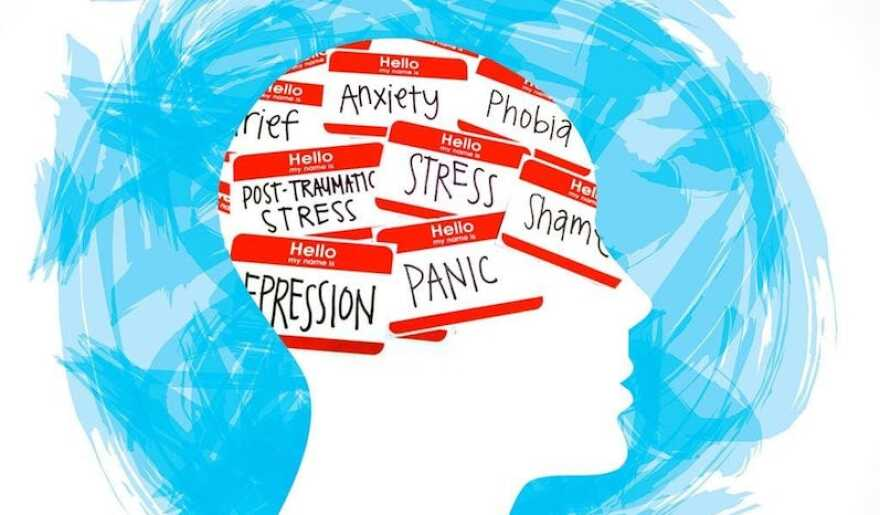
The psychological and social impacts of constantly internalizing the message to "keep pushing" without addressing underlying emotional or mental distress are severe and far-reaching. Individuals often experience significant burnout, a state of emotional, physical, and mental exhaustion caused by prolonged or excessive stress. This persistent pressure to perform and suppress true feelings can lead to chronic fatigue, cynicism, and reduced efficacy in daily life.
SOURCE: KALW Public Media
Untreated mental health conditions are another critical consequence. When individuals are discouraged from acknowledging their distress, conditions like depression, anxiety, or post-traumatic stress disorder can worsen over time. This delay in seeking professional help means that treatable conditions become more severe, requiring more intensive and prolonged interventions later on. The silence contributes to a growing public health crisis.

Socially, the "keep pushing" mantra can erode genuine human connection and empathy. When vulnerability is shunned, individuals learn to hide their true selves, creating superficial interactions rather than deep, supportive relationships. This can lead to increased feelings of isolation, even within seemingly tight-knit communities, as people fear being judged or ostracized for not fitting the "strong" archetype. The lack of open dialogue about struggles fosters a culture of pretense.
Furthermore, this cultural pressure can perpetuate a cycle of stigma and misunderstanding across generations. Children raised in environments where emotional expression is discouraged may struggle to develop healthy coping mechanisms or identify mental distress in themselves and others. This creates a continuous loop where the importance of mental well-being is not genuinely understood or prioritized. It also limits the capacity for collective empathy and support.
The dismissal of struggles as a lack of grit can also lead to increased self-blame and shame among individuals experiencing mental health challenges. They may internalize the societal message that their suffering is their own fault, leading to diminished self-worth and a reluctance to seek any form of support. This exacerbates feelings of hopelessness and despair, making recovery even more challenging without external validation and understanding.
Alternative, Culturally Sensitive Approaches
Promoting alternative, culturally sensitive approaches is essential to foster true resilience and encourage open dialogue about mental health, moving beyond toxic positivity. One crucial step is to redefine resilience not as endless endurance, but as the capacity to adapt, recover, and grow with support. This acknowledges that seeking help is a sign of strength, not weakness, and that human connection is vital for well-being. This redefinition can help dismantle existing stigma.
SOURCE: Two Faces of MS
Culturally sensitive approaches must integrate indigenous wisdom and community-based support systems, which often prioritize collective well-being over strict individualism. Traditional healing practices that focus on holistic well-being, including spiritual and communal aspects, can complement modern psychological interventions. This integration ensures that mental health support resonates with deeply held beliefs and practices, fostering greater acceptance.

Open dialogue needs to be actively encouraged, starting from homes and schools. Educational programs that destigmatize mental health and teach emotional literacy can empower individuals to express their feelings without fear of judgment.These initiatives should use relatable language and examples, making mental health conversations accessible and culturally appropriate for diverse African contexts. Community workshops can also facilitate these dialogues.
Moreover, training community leaders, religious figures, and traditional healers in basic mental health literacy and referral pathways is paramount. These trusted figures often serve as the first point of contact for individuals in distress. Equipping them with knowledge allows them to provide initial support and guide individuals towards appropriate professional help, bridging the gap between traditional beliefs and modern mental healthcare. This "task-shifting" empowers existing community structures.
The narrative around mental health must also shift from one of individual fortitude to one of collective responsibility and compassion. Media campaigns and public figures can play a significant role in this by openly sharing their own experiences with mental health struggles, normalizing vulnerability, and showcasing the benefits of seeking support. Such public endorsements can dismantle long-held misconceptions and build trust. This includes using storytelling to demonstrate that resilience is nurtured through support.
Finally, policy reforms that prioritize mental health within national health budgets are essential to ensure adequate resources for accessible and affordable mental healthcare services. This includes investing in training more mental health professionals, establishing community mental health centers, and integrating mental health into primary healthcare. Such systemic changes are critical to creating an environment where the message to "keep pushing" is replaced by one that genuinely supports comprehensive well-being. This holistic approach respects cultural nuances while advancing global best practices.
AUTHOR: EMMANUEL OKOYE