High Blood Pressure Often Has No Symptoms, So How Do You Know You Have It?
High blood pressure often has no symptoms. Learn how to check your blood pressure, understand the numbers, and know when to seek medical care.
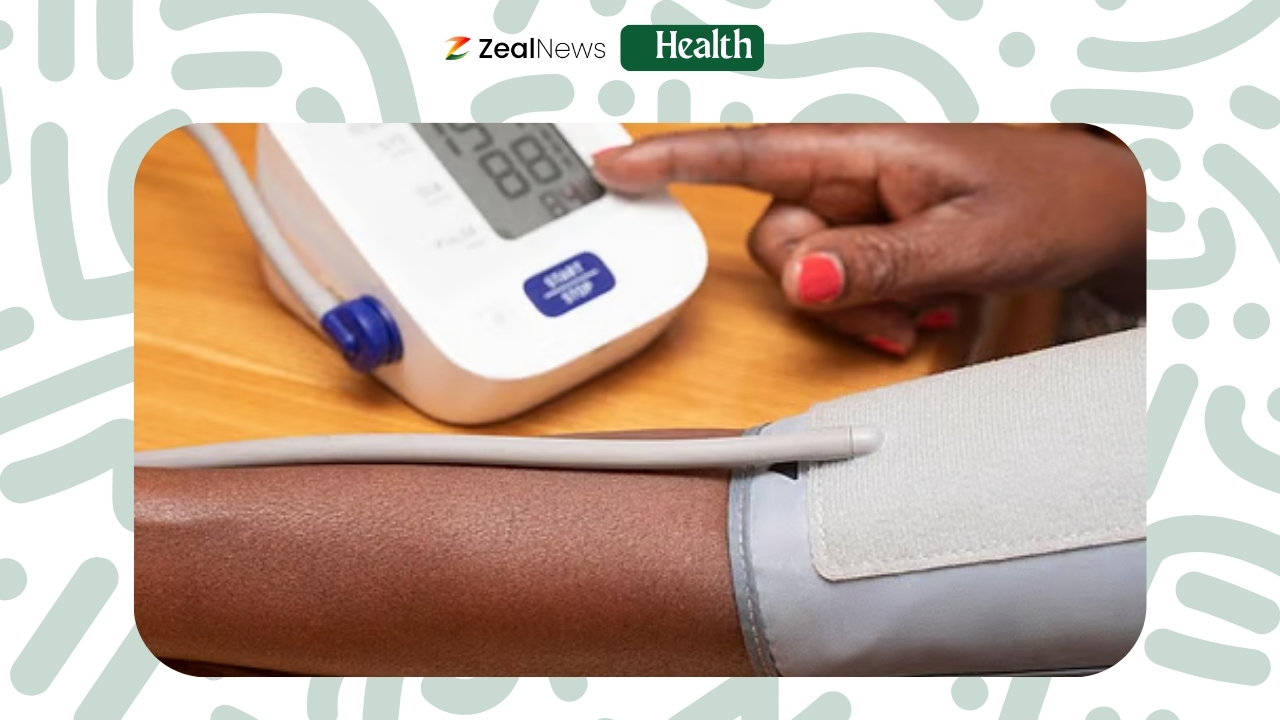
You can wake up feeling perfectly fine, go about your day, work, exercise, and eat normally, yet have high blood pressure without knowing it. That is one reason hypertension is often described as a “silent” condition: most people with high blood pressure do not experience noticeable symptoms.
The World Health Organization estimated that about 1.4 billion adults aged 30–79 had hypertension worldwide in 2024, while about 44% of them were unaware they had it.
The Only Way to Know
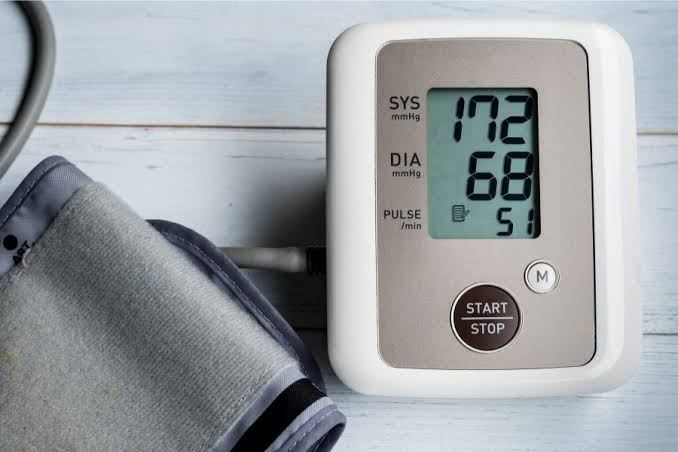
So, if there may be no warning sign, how do you know? You check your blood pressure. A blood pressure reading has two numbers: the systolic pressure, which is the pressure in your arteries when your heart beats, and the diastolic pressure, which measures the pressure when your heart rests between beats.
The American Heart Association classifies readings below 120/80 mmHg as normal, while readings of 130–139 systolic or 80–89 diastolic fall within Stage 1 hypertension and 140/90 or higher within Stage 2.
However, one high reading does not automatically mean you have hypertension. Blood pressure can change throughout the day and may be affected by factors such as activity, stress, and how the measurement is taken.
A healthcare professional can confirm a diagnosis using readings taken on more than one occasion; home monitoring can also help provide a clearer picture over time.
If you want to check your blood pressure yourself at home, you can use an automatic upper-arm digital monitor. For a more reliable reading:
Sit quietly for at least five minutes, with your back supported and feet flat on the floor.
Place the cuff on your bare upper arm and support your arm at heart level.
Stay still and avoid talking while the monitor takes the reading.
Take two readings about one minute apart and record both results.
Home monitoring can help you keep track of your blood pressure, but it should not replace the advice, examination, diagnosis or treatment provided by a qualified healthcare professional.
It should never be used as a substitute for professional medical care, particularly if you have a very high reading, concerning symptoms, or a serious medical condition. Seek appropriate medical attention when necessary.
Why Checking Matters
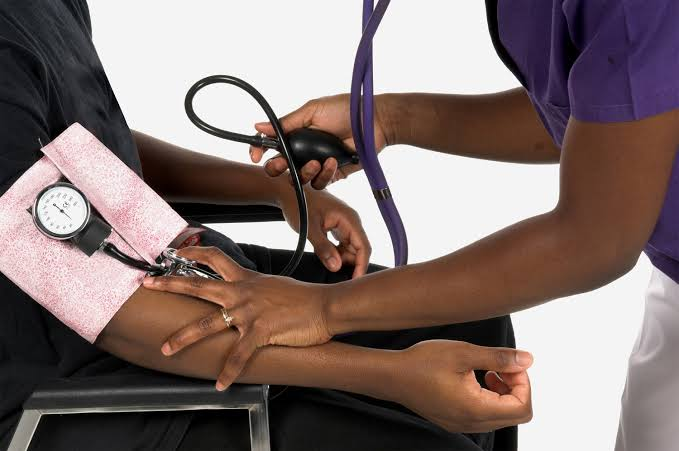
The absence of symptoms does not mean high blood pressure is harmless. If it remains uncontrolled, it can damage blood vessels and increase the risk of heart disease, stroke, kidney disease and problems affecting the eyes and brain. Regular checks can therefore identify a problem before it causes more serious complications.
If you measure your blood pressure at home, sit quietly for at least five minutes beforehand, keep your feet flat on the floor and support your arm at about chest height. Avoid talking during the measurement, and follow the instructions for your monitor carefully.
A particularly high reading should not be ignored. If your blood pressure is above 180/120 mmHg, repeat the measurement after at least one minute. If it remains that high, contact a healthcare professional; if it is accompanied by symptoms such as chest pain, difficulty breathing, weakness, vision changes, or difficulty speaking, seek emergency medical care immediately.
The simplest lesson is also the easiest to overlook: you do not have to feel sick to have high blood pressure. Sometimes, the only warning is a number on a blood pressure monitor.