The Climate Diet: Can What You Eat Save the Planet?
From fast food to food waste, what we eat directly impacts the planet. This article explores how sustainable diets, local farming, and mindful consumption can help fight climate change, one meal at a time.
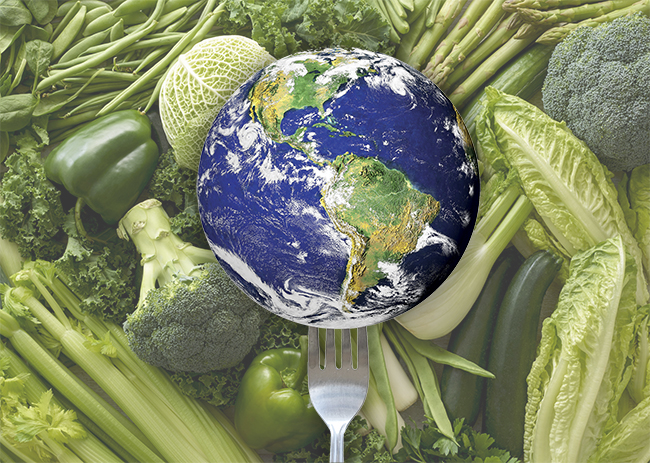
“They say every bite counts but can skipping meat on Mondays really cool down a planet on fire?”
That is the question that has been simmering in the global climate conversation lately. With headlines about melting glaciers, record-breaking heatwaves, and floods swallowing entire communities, the pressure to “do something” about climate change feels heavier than ever. For some, that “something” starts not with a protest sign or a government policy, but with the food on their plate.
The era of climate diet is slowly approaching, that growing movement that argues your dinner could be the most powerful tool against global warming.
The Climate Cost of What We Eat
Food doesn’t just sustain us; it shapes the planet’s health. The global food system, everything from how we farm to how we transport and waste food, accounts for roughly one-third of all human-caused greenhouse gas emissions. That is more than all the world’s cars, planes, and ships combined.
The problem lies not in eating, but in what we eat and how it is produced.
Take beef, for example. Cows release methane, a greenhouse gas nearly 80 times more potent than carbon dioxide. The meat industry also drives deforestation, think of the Amazon being cleared for cattle grazing, and consumes staggering amounts of water.
By contrast, plant-based foods like beans, lentils, and grains emit a fraction of the greenhouse gases and require far less land and water.
In other words, if climate change had a dietitian, it would probably prescribe fewer steaks and more spinach.
Waste Not, Warm Not
But it is not just about meat. Every year, the world wastes about one-third of all food produced, roughly 1.3 billion tonnes, and that wasted food generates methane as it rots in landfills.
In Nigeria alone, millions of tonnes of food spoil annually before they even reach consumers, due to poor storage, transportation, and infrastructure. Imagine the irony: people go hungry while the food that could feed them instead feeds the climate crisis.
Reducing food waste might not sound glamorous, but it is one of the simplest ways to cut emissions. A climate diet, then, is not just about eating less meat, it is also about wasting less food.
The Rise of the Climate-Conscious Plate
Around the world, plant-based diets are having a moment. Veganism, vegetarianism, and “flexitarian” lifestyles are no longer fringe movements; they are mainstream cultural forces. We see Instagram influencers blend green smoothies and fast-food chains offering plant-based burgers. Yeah, that is sustainability being sold.
But here is the twist: African diets were naturally sustainable long before Western veganism became a hashtag.

Traditional African meals, yam, beans, millet, plantains, okra, vegetables, and fish, were built around local, seasonal, plant-rich ingredients. They did not rely on imported soy sauces or ketchups. The modern, high-meat, high-dairy diet was largely imported through colonial influence and globalization.
The shift back toward local, plant-forward eating is not just good for the planet, it is a cultural homecoming. It is a reminder that sustainability has always been embedded in African heritage.
Climate-Smart Farming: Feeding the Future
Still, personal choices alone won’t fix a broken food system. The real battle lies in transforming how food is grown.
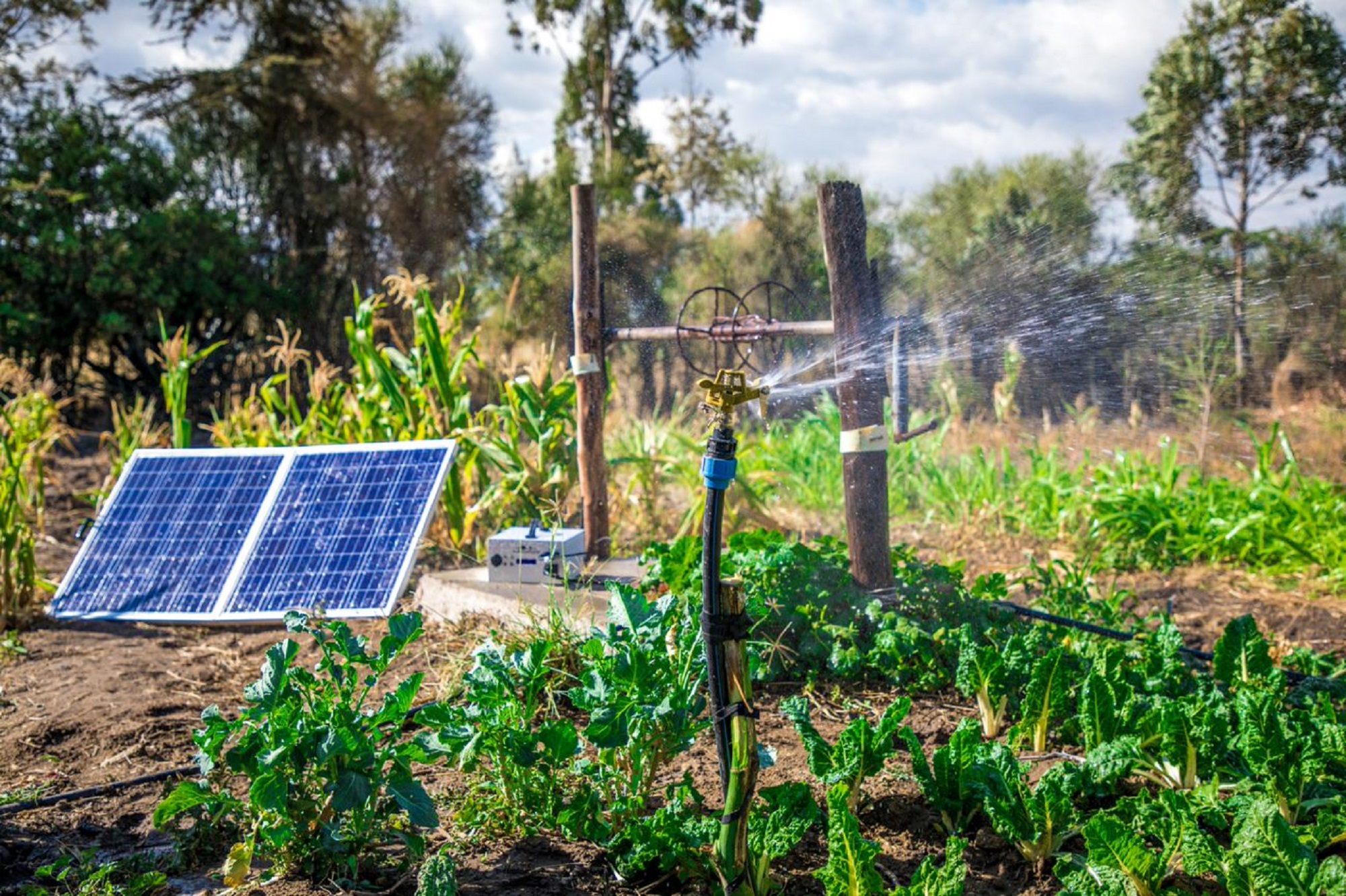
In many African countries, farmers are already experimenting with climate-smart agriculture. These farming methods adapt to changing weather while reducing emissions.
We see the rise of drought-resistant crops and solar-powered irrigation and organic fertilizers. These small innovations are rewriting the rules of food production.
Take Kenya’s smallholder farmers who now use mobile apps to track rainfall and optimize planting seasons. Or northern Nigeria’s farmers blending traditional knowledge with new techniques to conserve soil moisture.
These solutions prove that Africa is a laboratory for resilience.
Greenwashing on a Plate
Of course, not every “eco-friendly” meal is as clean as it looks on Instagram. The global food industry has perfected the art of greenwashing using sustainability as a marketing tactic rather than a genuine commitment.
A company might label its snack “climate neutral” because it plants a few trees, while still using unsustainable oil or plastic packaging. Similarly, imported vegan products like almond milk or quinoa often travel thousands of miles, burning carbon the entire journey.
So the question is not just what you eat, but where it comes from. A tomato grown in a Lagos backyard might have a smaller carbon footprint than an “organic” tomato flown in from Spain.
True sustainability is not a label; it is a lifestyle rooted in locality, moderation, and mindfulness.
The African Reality Check
But let’s be honest, for many Africans, the conversation about climate diets can feel out of touch. It is hard to talk about “sustainable eating” when basic food security is a daily struggle.
How do you tell a family that survives on rice and beans to switch to quinoa for the planet’s sake? Or urge people to “buy local” when imported products are sometimes cheaper than homegrown produce?
That is where government policy, infrastructure, and education come in. If local farmers had better access to irrigation, cold storage, and markets, local food would not only be more sustainable, it would be more affordable.
Sustainability, in this sense, isn’t just environmental; it is also social and economic.
Small Choices, Big Ripples
Still, change doesn’t have to start with grand gestures. You don’t need to become a vegan overnight to make a difference.
Here are a few realistic steps toward a personal climate diet:
Go local: Buy produce grown nearby to cut down on transport emissions.
Waste less: Plan meals, use leftovers, and compost what you can.
Eat seasonally: Nature already provides a rotation of foods, eat them in their natural cycles.
Reduce meat gradually: Try “Meatless Mondays” or substitute with legumes and mushrooms.
Support climate-conscious brands: Choose businesses that prioritize transparency over trends.
It is about progress, not perfection.
The Power of a Plate
When we talk about climate change, we often imagine distant glaciers or rising sea levels but the fight also happens in kitchens, markets, and dining tables. The food we eat links us directly to the environment, to farmers, and to the systems that either heal or harm the planet.
So yes, what we eat matters. It may not “save” the planet overnight, but it shapes the kind of planet we’ll live on tomorrow.
Because the truth is, the climate crisis is a story of consumption, of taking more than the earth can replenish. Changing that story begins with small, intentional choices.
And maybe, just maybe, it begins with what is on your plate tonight.