The Charvet Deal Could Be Chanel's Biggest Strategic Shift in Decades
Chanel's acquisition of Charvet signals a major shift into luxury menswear and this historic deal could reshape Chanel's long-term growth strategy.
For more than a century, Chanel has built its empire almost entirely on women. Its tweed suits, quilted bags and No. 5 perfume defined a certain idea of femininity that made the brand one of the most recognisable names in luxury fashion. It would be shocking if news like Chanel acquiring Charvet, the storied Parisian shirtmaker known for dressing men since 1838, broke out and the industry took no notice of it.
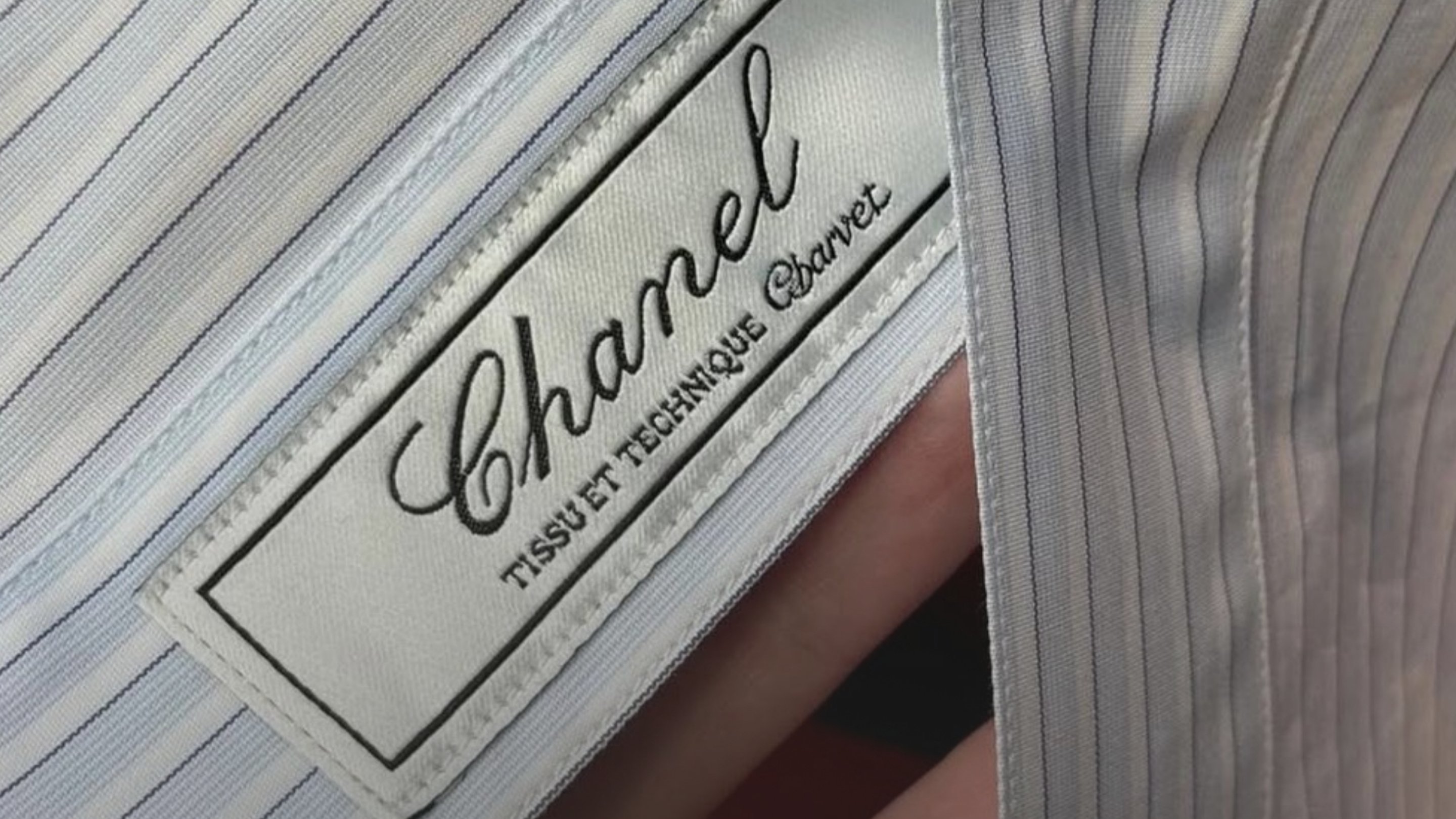
Chanel announced that it had acquired historic Parisian shirtmaker, Charvet, having previously collaborated with the brand which caters mostly to men. This acquisition signals a shift in how Chanel views its future and possibly the future of the entire luxury menswear market.
Why Chanel Is Investing in Menswear Now
Chanel has always resisted launching a standalone menswear line, even as competitors expanded aggressively into the category. The group, owned by Alain and Gerard Wertheimer, turns over around 20 billion euros a year despite resisting the commercial temptation of launching a dedicated menswear fashion line.
That restraint appears to be ending but not through a new ready-to-wear collection under the Chanel name, rather through ownership of a house that already commands respect among men who value tailoring.
Chanel's head of fashion said, "Now we have a name, Chanel, for women, and a name for men, Charvet," adding that even though Chanel is about women, more men are coming through its doors.
Basically, Chanel is not trying to become a menswear brand. It is trying to answer a demand it is already seeing at its own counters, and doing so by acquiring a name with two centuries of built-in credibility rather than building one from nothing.
The global menswear industry has grown steadily as men spend more on premium clothing, grooming and personal style. Luxury houses that once treated menswear as an afterthought now see it as one of the fastest-growing segments in fashion retail.
Buying an established shirtmaker instead of designing a new line lets Chanel enter this space with instant authenticity, something marketing alone cannot manufacture.
Inside Charvet: A Masterclass in Bespoke Craftsmanship
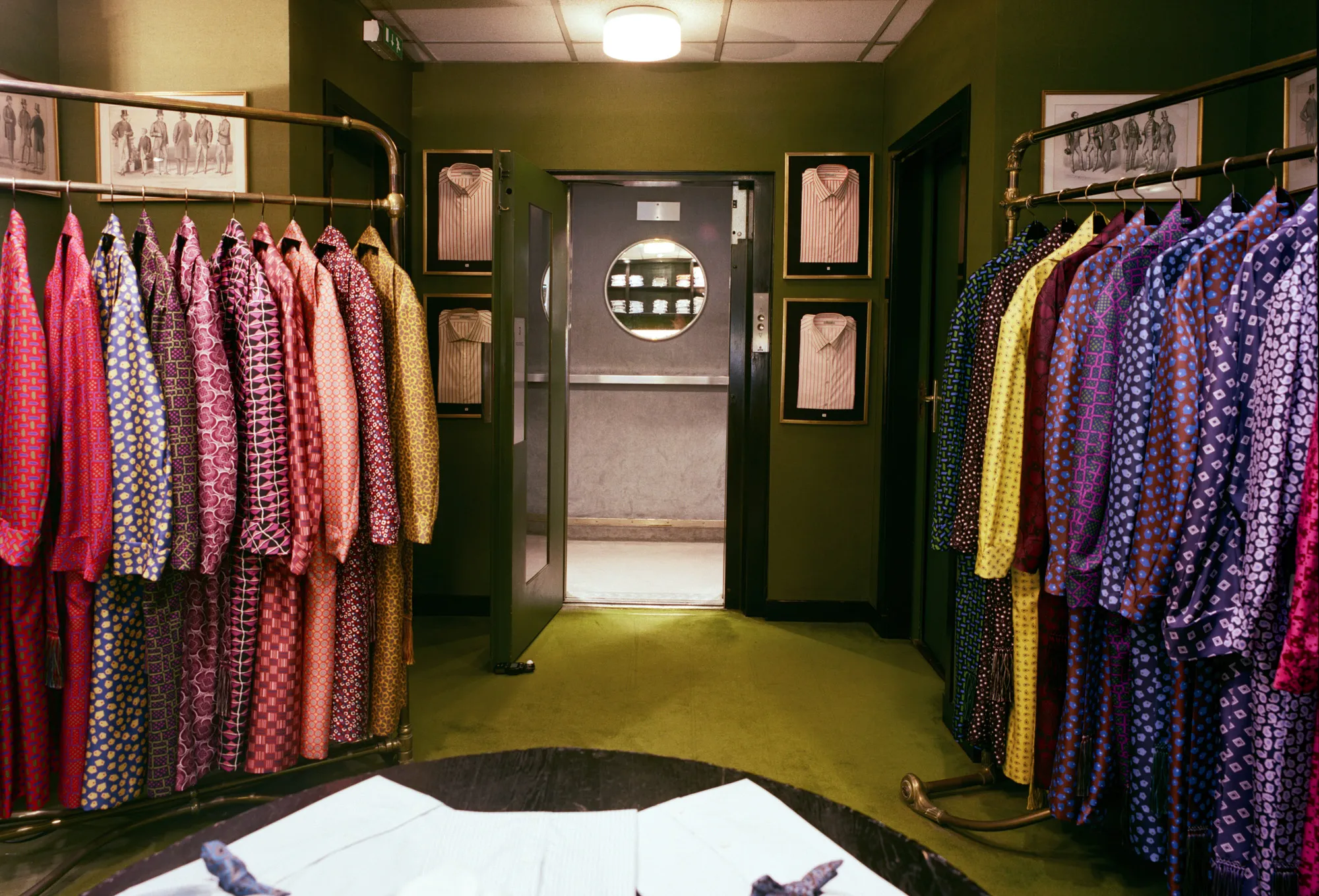
Charvet's appeal lies in its history and its refusal to compromise on quality. Founded in 1838, Charvet is a Parisian institution in men's couture and bespoke tailoring, and for nearly two centuries the historic house on Place Vendôme has dressed legendary figures such as Charles Baudelaire, Marcel Proust, Winston Churchill and Jean Cocteau.
Customers can choose from around 6,000 fabrics in its single Paris store. It is rare in modern retail to find such scale in customisation without diluting exclusivity. This explains why Charvet has survived nearly two centuries while countless other ateliers folded.
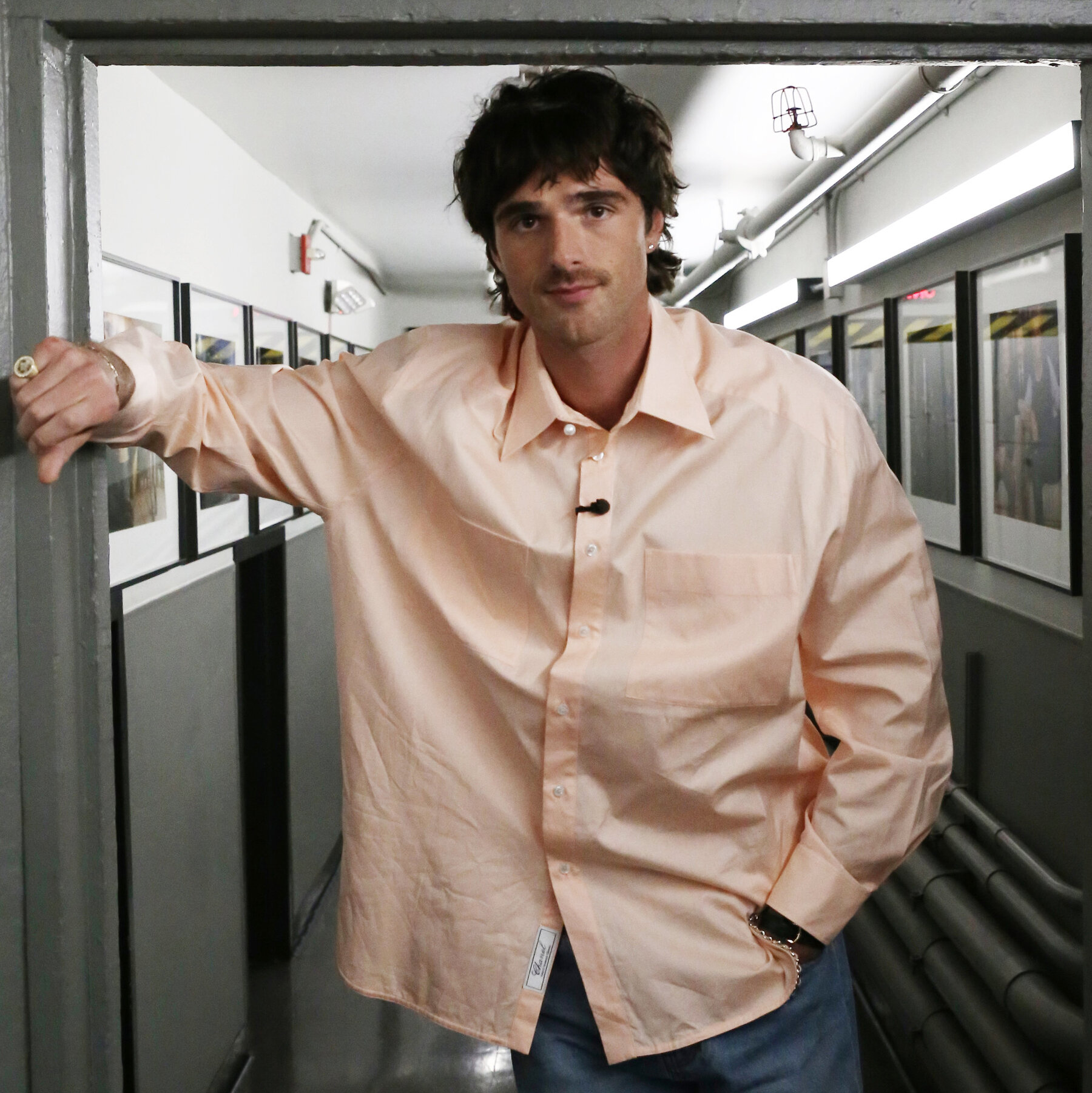
Although the house always had connection with Chanel, Chanel's creative director rekindled the historic bond by commissioning the shirtmaker to produce oversize cotton button-up shirts for his debut collection, pieces that became standout items of the season and were worn by high-profile celebrities.
The relationship even carries personal history. Chanel's founder herself was known to purchase Charvet shirts for her lover, Arthur "Boy" Capel, giving the acquisition an emotional resonance that goes beyond commercial logic.
How Big Is Chanel? Understanding the Scale Behind the Deal
Chanel's size gives it the financial muscle to absorb a small and specialised business without disrupting its own operations. Its 2024 revenue reached 18.7 billion dollars and the company closed the year with a positive net cash balance and this gives it the flexibility to acquire heritage manufacturers for long-term strategic value rather than short-term profit.
This is not the first time Chanel has bought into smaller craft houses. The company has been investing in specialist workshops that supply buttons, feathers and embroidery for haute couture, and now owns eleven of such ateliers grouped under a single manufacturing hub outside Paris.
Charvet joins a growing portfolio that includes Confection de Sully, Domicia Production, Marque and Mod, Maroquinerie de Champagne, the JY BH Group, Les Ateliers de May and the Grey Mer shoe manufacturer, along with stakes in several fabric and knitwear producers across Europe.
This pattern shows a company more interested in controlling its supply chain and preserving disappearing skills than in flooding the market with new products.
Can Chanel Industrialise Charvet Without Losing Its Value?
The biggest question facing this deal is whether Chanel can scale Charvet without stripping away the very qualities that make it desirable. Charvet's production has always been deliberately small.
Maintaining high standards meant the house could not accept large bulk orders, so an outside manufacturer was eventually brought in to handle volume while Charvet supervised and approved every step of production.
Chanel appears aware of this tension. The company stated it does not plan to open stores internationally or expand the business, saying its primary aim is to secure the long-term viability of a highly successful brand rather than grow it aggressively.

Rather than industrialising Charvet into a mass-market menswear label, Chanel appears focused on protecting its workshops and staff while using its own reach, retail infrastructure and runway platform to introduce Charvet to a younger, wealthier audience already loyal to the Chanel name.
What the Chanel-Charvet Deal Means for the Luxury Fashion Industry
The acquisition also solves a succession problem common among family-run luxury houses. One report noted the deal helps secure the future of the 188-year-old company, whose owners are ageing with no clear plan for continuity.
For an industry worried about losing artisanal knowledge as skilled workers retire, this offers a blueprint other conglomerates may follow.
Chanel's move into menswear through Charvet is less about competing with existing menswear giants and more about protecting craftsmanship while quietly building a second identity for men who already trust the Chanel name.
Whether this becomes the biggest strategic shift in Chanel's modern history depends on how carefully the company balances growth with the exclusivity that made Charvet worth buying in the first place.