20 Years Without a Census: How Is Nigeria Planning for a Population It Hasn't Counted?
Nigeria has gone 20 years without a census. How can the government plan, budget and allocate resources for a population it has not actually counted?
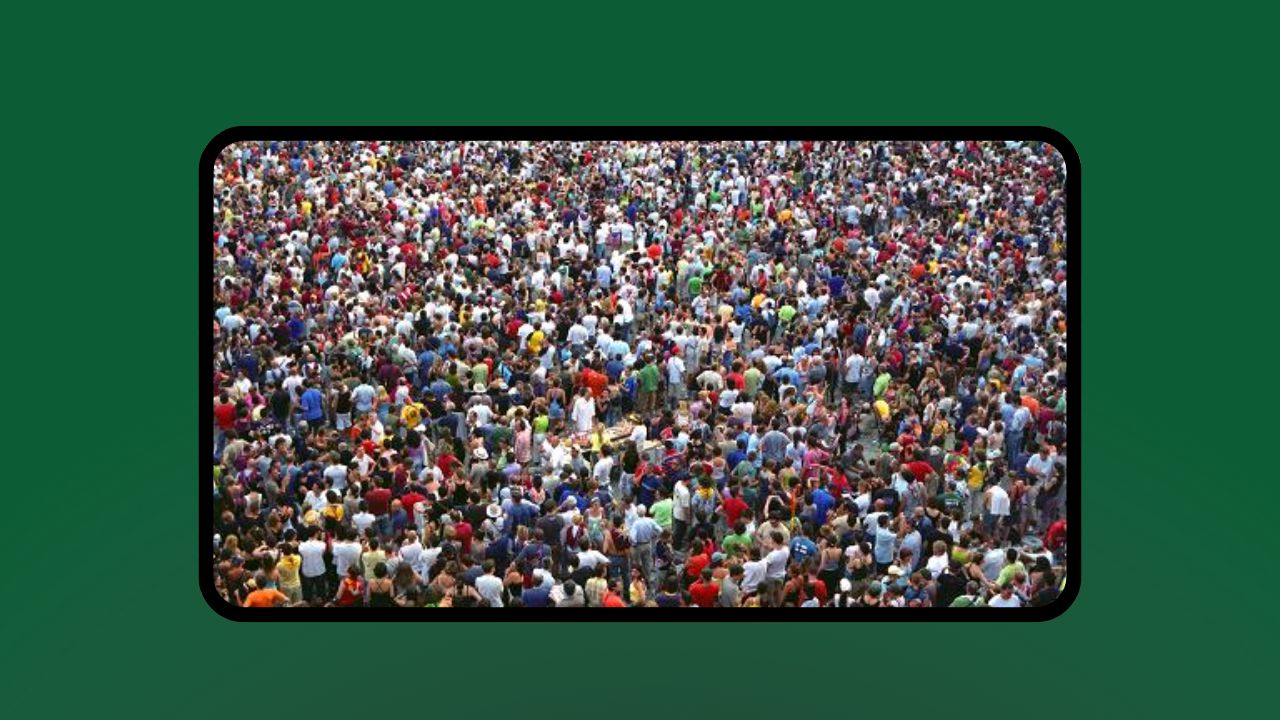
Every day, Nigerians wake up to complain about the same things: a shrinking quality of life, rising unemployment, and public infrastructure that is not only unevenly spread across the states but also less functional than its private counterparts.
You hear the government make promises, and if you were born in 2008, you might assume you are part of that plan. Meanwhile, the last time your country counted its own people, you had not even been born. That is the uncomfortable reality behind Nigeria's population numbers.
The country has gone 20 years without a census, and it is still governing, budgeting, and building for a population it can only guess at.
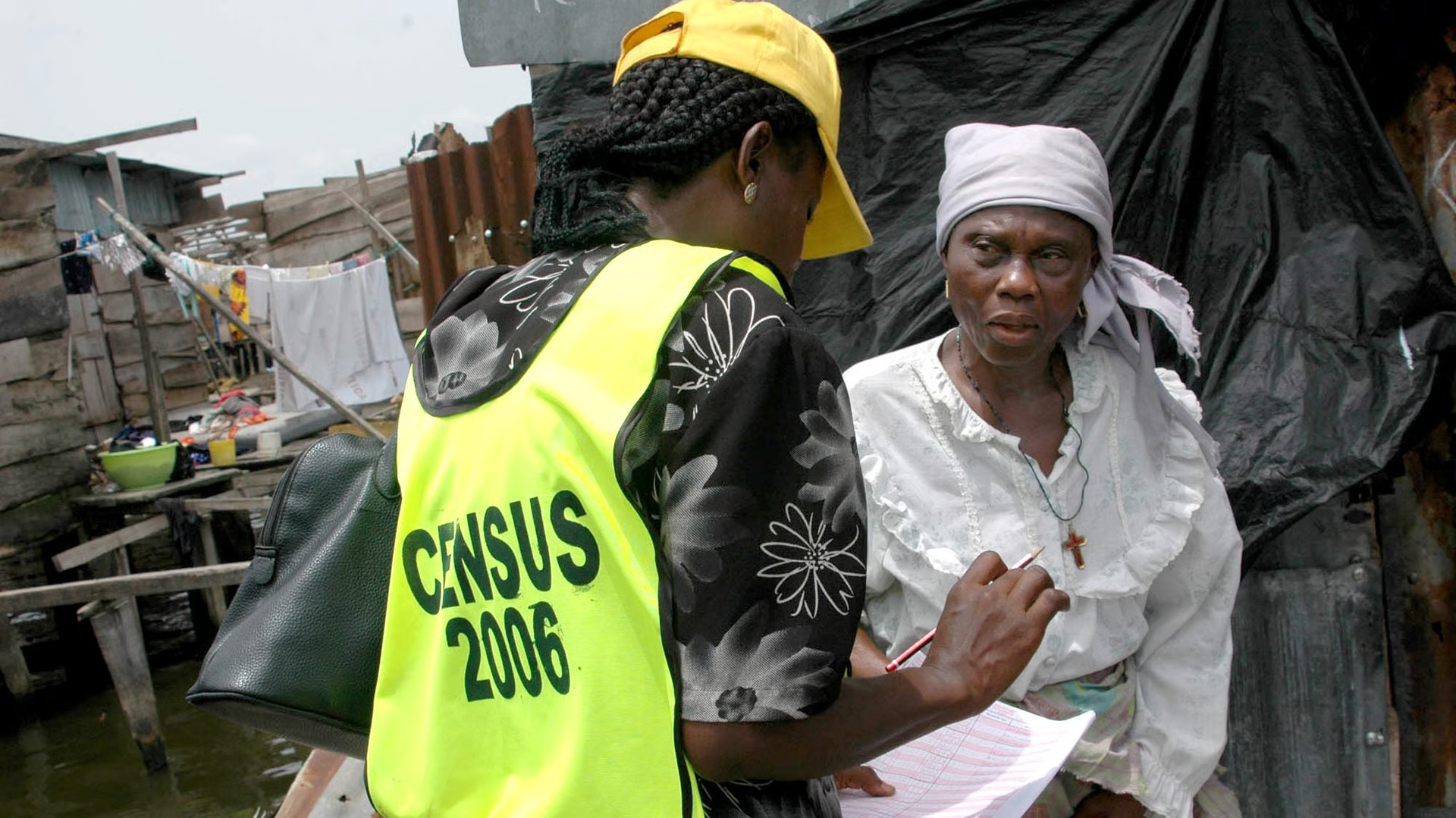
A Headcount Frozen in 2006
Nigeria's last census was conducted in 2006 and this put the population at roughly 140 million people. Every national and governmental plan since then has depended on that single, stale figure which is regularly adjusted only by statistical estimation.
The 2016 census, which should have followed the internationally recommended ten year cycle, never happened. It was postponed to 2018, then 2023, and has now moved into an unspecified future.
The 2023 attempt almost happened. The National Population Commission trained enumerators, procured hundreds of thousands of digital devices, and mapped enumeration areas across the country.
Days before the exercise was due to be held, the outgoing administration postponed itindefinitely and left the decision of a new date to its successor. Years later, that date still has not come.
Officials have cited funding gaps, security concerns in parts of the north, and political sensitivities around how a new count might reshape revenue allocation and legislative seats. Meanwhile, some of the equipment bought for the exercise risks becoming obsolete.
Why a Count Nobody Wants to Finish
A census in Nigeria is one of the most politically loaded activities the state can undertake, because population figures determine how federal revenue is shared among states, how many seats each region holds in the National Assembly, and how resources for health, education, and security are distributed.
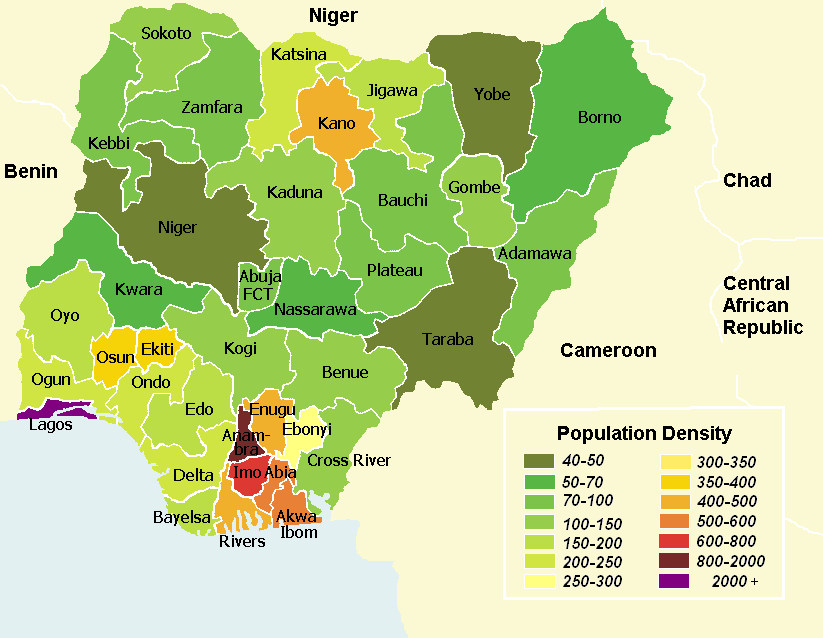
A state that appears smaller than expected stands to lose money and political weight. A state that appears larger stands to gain both. With ethnic and regional balance already a delicate subject in Nigerian politics, no administration has found it convenient to be the one that finally settles the question.
The National Population Commission has repeatedly said it is ready but the final decision to set a date still sits with the presidency.
Successive governments have treated the census as a problem to be inherited rather than solved and continually pushed it past election cycles and budget years.
Each new administration arrives and promises a credible and technology driven exercise, but then leaves the actual proclamation to whoever comes next.
Lawmakers have already flagged that holding the exercise close to the 2027 general electionswould be difficult, which suggests the count could slip even further before it happens and it could possibly push Nigeria's next census past the quarter century mark since the last one.
Governing on Estimates, Not Evidence
In the absence of fresh data, Nigeria relies on projections built on top of the 2006 figures and frequently adjusted using assumed growth rates. Current population estimates place the country somewhere between 230 and 242 million people. This is a range wide enough to represent the entire population of a mid-sized country.
That uncertainty has its effects. It directly shapes how much flows to a local government for primary healthcare and how many polling units are allocated to a constituency.
Development planning is only as good as the data behind it. Without a current count, ministries cannot reliably calculate unemployment rates, poverty headcounts or the ratio of doctors to patients, because the denominator itself is unknown.
Every percentage the government cites, whether a literacy rate, a maternal mortality figure, or a youth employment target, is built on a population base that predates smartphones becoming common in Nigerian households.
Climate adaptation planning, which increasingly matters for a country facing flooding, desertification, and displacement, also depends on knowing where people actually live now, since disaster response and infrastructure investment both hinge on accurate settlement data.

Billions of naira have already been budgeted for census preparation since 2021 with much of it spent on equipment and logistics that have gone largely idle.
This pattern is an expensive holding one for a project that keeps getting deferred while the bill keeps growing.
A Demographic Clock That Will Not Wait
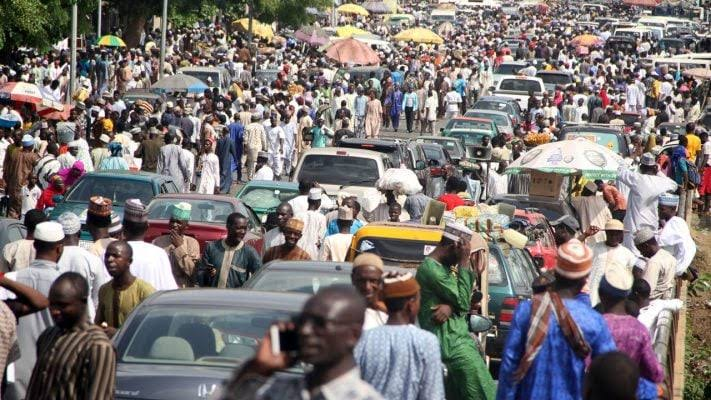
Nigeria's population is not standing still while its government deliberates. The country has one of the highest fertility rates in the world, with women averaging well above four children each, and is adding several million people every year.
Nigeria is projected to become one of the world's most populous countries within a few decades, yet it is trying to plan for that future using numbers gathered before a large share of its current population was even born.
Every year the census is delayed widens the gap between the country the government thinks it is administering and the country that actually exists.
What Comes Next
A credible census is the foundation on which every other claim of good governance rests. Digital infrastructure and enumerators already exist, and much of the groundwork has already been paid for.
What has been missing consistently is the political will to set a date and defend it against the next distraction.
Until that happens, Nigeria will keep making promises to a population it has never actually counted, and an entire generation of Nigerians, including everyone born after 2006, will keep growing up as statistical guesses rather than counted citizens.