Nigeria's 2027 Presidential Election: Tinubu, Obi, or Atiku – Who Will Nigerians Choose?
As Nigeria heads toward the 2027 elections, three heavyweights—Tinubu, Obi, and Atiku—are set to battle for the nation’s future. Between incumbency, change, and experience, the real question is: who will Nigerians trust with their next chapter?
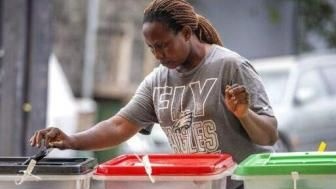
Almost half of the year 2026 is gone, with the 2027 general elections drawing closer, political debates are intensifying across Nigeria.
With President Bola Ahmed Tinubu expected to campaign on his Renewed Hope 2027 agenda, Peter Obi likely to continue promoting his vision that "A New Nigeria Is Possible," and Atiku Abubakar advocating a Rescue and Rebuild Nigeria agenda, voters will once again face a crucial choice about the country's future.
The supporters of President Bola Tinubu believe he deserves a second term to complete his reforms, while backers of Peter Obi argue that the country needs a new direction.
At the same time, Atiku Abubakar remains a formidable political figure with a loyal support base and decades of experience.
As Nigerians weigh their options, one controversial question continues to dominate conversations: Who is most likely to win the 2027 presidential election?
But the key question remains: which vision resonates most with Nigerians, and who will ultimately earn their votes in 2027?
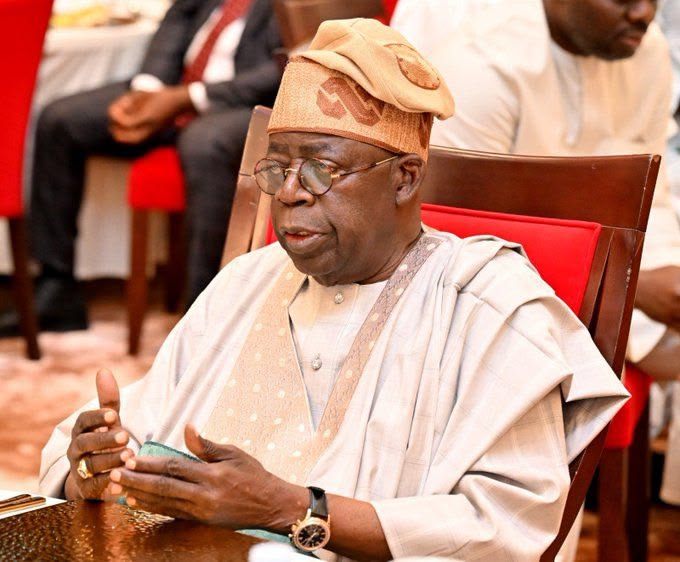
Tinubu's Incumbency Advantage: Enough to Secure Re-election?
As the current president,Bola Tinubu enters the 2027 election with a significant advantage that many challengers do not have: the power of incumbency.
Being in office allows him to point to policies, projects, and decisions made during his administration as evidence of his leadership.
The supporters believe that some of the difficult economic reforms introduced under his government, including the removal of fuel subsidies and changes in the foreign exchange system, were necessary steps to strengthen Nigeria's economy in the long run.
But some concede that the removal of fuel subsidies in 2023 was the start of the economic crisis or hardship which has led to the increase of transportation.
But the economy worsened by the time we reach 2024, from a cashless society in 2023 to the high prices of food stuffs such as rice, beans, eggs, noodles, tomatoes and so on which also led to a nationwide protest in August, 2024.
But they still argue that these policies need more time to produce meaningful results and that a second term would allow him to complete the work he has started.
However, many Nigerians judge governments not by promises but by their daily experiences, because for countless families, the rising cost of food, transportation, housing, and other basic necessities has created financial pressure.
Many citizens are asking a simple question: "Has my life improved?" While some acknowledge that reforms can be painful before benefits are seen, others feel the burden has become too heavy and are looking for immediate solutions.
The success of Tinubu's re-election bid may ultimately depend on whether Nigerians begin to see clear improvements in their standard of living before 2027.
If inflation slows, jobs become more available, and economic conditions improve, many voters may be willing to give him another term.
But if economic hardship continues, dissatisfaction among ordinary Nigerians could become one of the biggest obstacles to his re-election campaign.
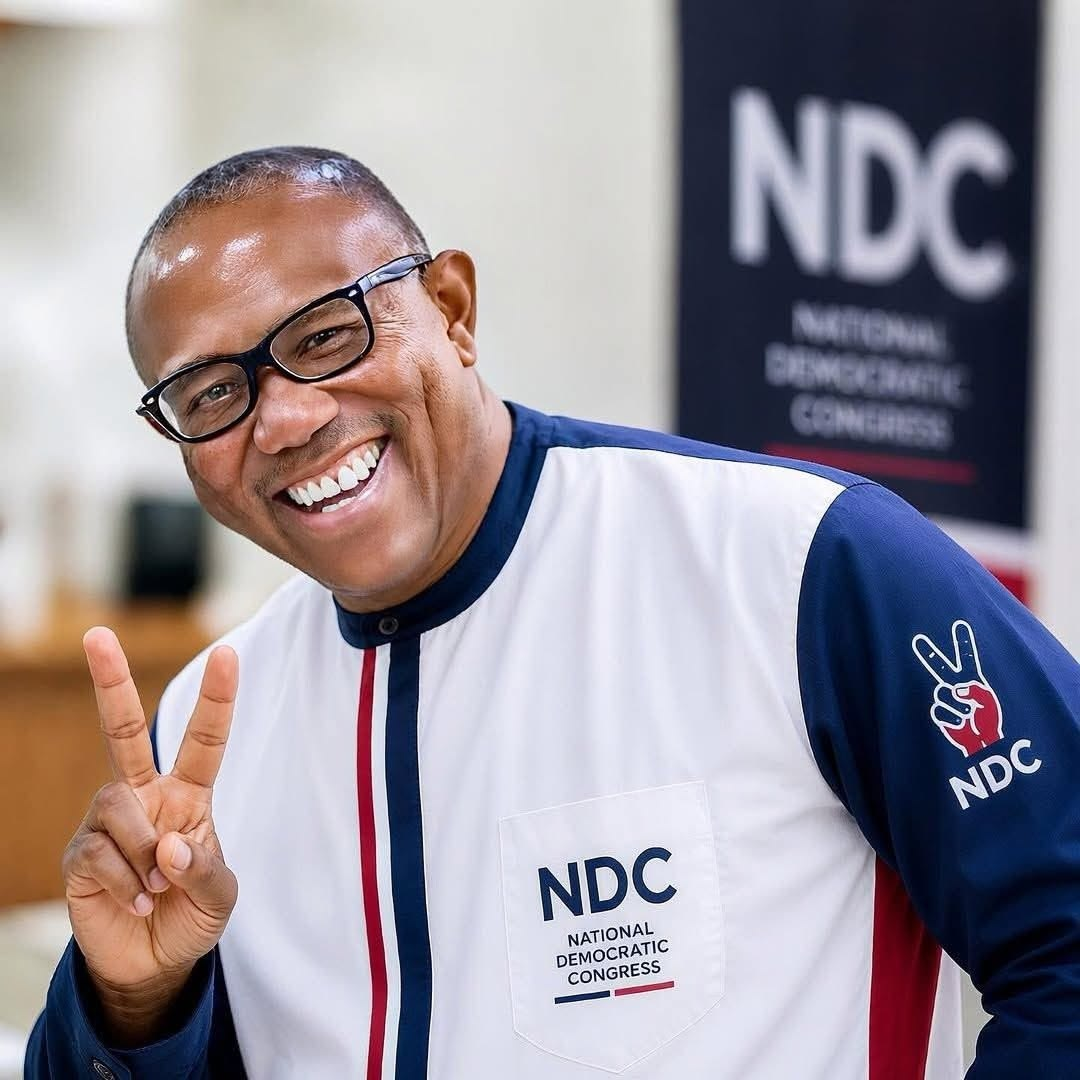
Peter Obi: Can the "Obidient" Movement Go Even Further?

Peter Obi continues to enjoy strong support from many Nigerians, particularly young people who see him as a symbol of change and a break from traditional politics.
Since the 2023 election, the "Obidient" movement has remained active, with supporters praising his message of accountability, prudent management of public funds, and focus on economic development.
For many of his followers, Obi represents hope for a different style of leadership—one that prioritizes transparency and places the interests of ordinary citizens at the center of governance.
What makes Obi's support unique is that it goes beyond politics for many people, because his supporters are mostly youths who view this movement as a call for better governance, stronger institutions, and a more accountable government.
This passion has helped him build a loyal and energetic base that remains engaged even years after the last election.
However, winning a presidential election in Nigeria requires more than enthusiasm and popularity on social media.
Obi's biggest challenge was not understanding the root of politics and how it works which led to the failure in winning the presidential election in 2023 and even with taking the case of rigging to court made him understand the game more.
But this is also another challenge of his that may be expanding his support across all regions, age groups, and political interests.
While he has gained significant backing among urban voters and young Nigerians, he will need to convince a broader range of voters that he can effectively address issues such as economic hardship, insecurity, unemployment, and national unity.
As 2027 approaches, many Nigerians will be watching closely to see whether the Obidient movement can grow from a powerful political movement into a nationwide coalition capable of winning the presidency.
If Obi succeeds in broadening his appeal while maintaining the energy of his supporters, he could emerge as one of the strongest contenders in the race.
Atiku Abubakar: The Experienced Challenger
Atiku Abubakar remains one of the most experienced and recognizable figures in Nigerian politics.
Having served as Vice President and contested for the presidency multiple times, he has spent decades building political relationships and gaining a deep understanding of the country's political and economic landscape.
For many of his supporters, this experience is one of his greatest strengths, and they believe he has the knowledge, connections, and leadership skills needed to tackle Nigeria's persistent challenges, including economic instability, unemployment, and insecurity.
Few others argue that because of consistent campaigning for the presidency has made them realize that if he ever succeeds in winning that he would be worse than Tinubu or as rumors says that he will sell Nigeria himself, just to do what he has been planning for years, that is, capitalism which he has introduced during his serving as the Vice President.
For some Nigerians, who do not know whether it is a good thing or bad thing.
Because of this, many Nigerians who still support him argue that leadership requires experience and that his long involvement in public affairs has prepared him for the demands of the presidency.
They see him as someone who understands how the government works and can bring together different regions and interests in a country as diverse as Nigeria.
At the same time, some voters remain skeptical, because critics question whether Atiku still represents the kind of change many Nigerians are looking for.
Younger voters, in particular, may be more attracted to candidates who present themselves as fresh alternatives to the country's traditional political establishment.
Others wonder whether experience alone is enough to convince voters who are increasingly focused on tangible solutions to everyday challenges.
With the 2027 election approaching, Atiku's challenge will be balancing his reputation as a seasoned statesman with the growing demand for new ideas and renewed leadership.
His success may depend on whether Nigerians see his experience as an advantage that can solve the country's problems or as a reminder of the political past they wish to move beyond.
Conclusion
As the 2027 elections approach, Nigerians are likely to focus on the issues that affect their daily lives most—economic hardship, insecurity, unemployment, and the rising cost of living.
Tinubu will rely on his record in office, Obi on his message of change, and Atiku on his experience and political influence.
Ultimately, the winner may not be the candidate with the biggest campaign, but the one who best convinces Nigerians that they can deliver a safer, stronger, and more prosperous future. In 2027, the choice will be in the hands of the people.