Ghana's Drug Money Scandal: Illicit Trade Fuels Politics, Real Estate, and Exposes Major Loopholes
Ghana faces multifaceted challenges with illicit drug trafficking and money laundering, underscored by enforcement gaps and alleged political financing by drug money. Amid these concerns, proposals for new airline routes to South America raise critical questions about market viability and the strength of border security against criminal exploitation. The Global Organised Crime Index highlights pervasive corruption and the increasing use of digital channels for illicit financial flows.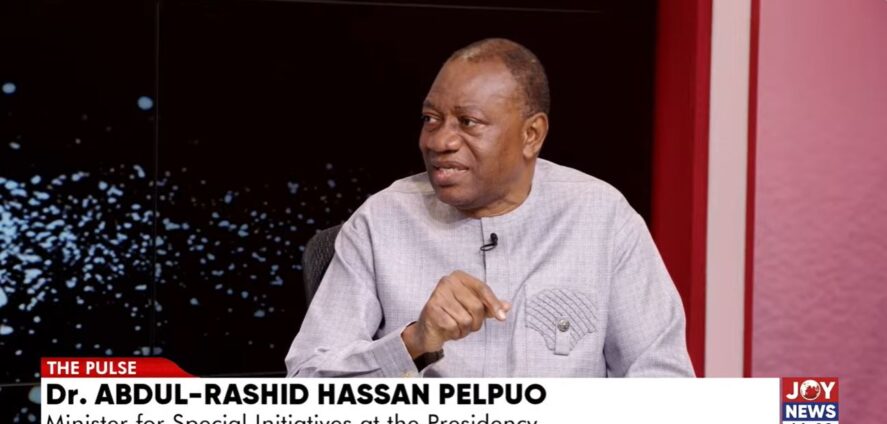
Ghana is grappling with significant challenges related to illicit drug trafficking and money laundering, issues brought to the forefront by recent parliamentary debates and comprehensive reports from the Global Organised Crime Index. Minister of State at the Presidency, Dr Abdul-Rashid Pelpuo, has publicly supported Speaker Alban Bagbin’s decision to reject a Minority motion for a parliamentary inquiry into major narcotics seizures linked to Ghana. Speaker Bagbin deemed the motion inadmissible on September 29, citing substantial overlap with ongoing investigations and criminal proceedings before the courts.
Dr Pelpuo, speaking on JoyNews, emphasized that Parliament, as a lawmaking institution, should allow security agencies and the courts to complete their work. He argued that while Parliament possesses investigative authority, such an inquiry is best pursued when an issue is not actively being addressed by other state organs. He further called for urgent action to close gaps that facilitate drug trafficking, stating that Ghana's reputation must not be tarnished by these illicit activities. Dr Pelpuo stressed the need to determine if Ghana is being used as a transit point for narcotics and suggested that if ongoing court proceedings fail to sufficiently address the broader questions, an independent, professional investigation should be considered.
The Global Organised Crime Index report provides a stark assessment of Ghana’s enforcement gaps in combating money laundering, despite governmental efforts to strengthen anti-money laundering (AML) legislation. The report highlights a critical shortage of trained investigators and prosecutors specializing in AML, alongside an absence of certified financial crime investigators skilled in asset forfeiture. These deficiencies significantly undermine the country's capacity to investigate financial crimes and reclaim criminal assets. Money laundering in Ghana is linked to a broad spectrum of criminal activities, including narcotics, arms, and human trafficking, environmental crimes, fraud, corruption, and romance scams. Alarmingly, criminals are increasingly leveraging digital channels like bitcoin, gift cards, and other digital exchanges to move illicit funds, while non-profit organizations and cash-based operations from designated businesses and professions are also identified as posing risks for money laundering and terrorist financing.
Ghana has also emerged as a significant hub for cannabis cultivation in Africa, with the United Kingdom identified as the primary destination for its illicit cannabis exports. The report attributes this demand to the high potency of Ghanaian cannabis, which is sought after in North American and European markets. There has been a notable rise in cannabis-laden cargo seizures at Accra International Airport and various border towns, driven by this increasing international demand. Furthermore, the expansion of cannabis cultivation is partly linked to a misunderstanding of Ghana's legal framework for its medicinal and industrial use, with the illicit trade also serving as an important source of income for some local communities.
The tentacles of organized crime extend into Ghana's political and economic spheres, according to allegations highlighted by the Global Organised Crime Index. The report suggests that individuals involved in Ghana’s drug trade have financed political parties and that money from the illicit market has fueled the country’s housing boom. Criminal networks, often bound by ethnic, religious, or familial ties, exert influence on democratic processes primarily through financial pressure, rather than violence, thereby undermining public institutions. Corruption is rampant across various public sectors, including public procurement, elements of the judiciary, the Ghana Police Service, and land, tax, and customs administrations, with an estimated annual loss of US$4 billion to corruption, approximately 20% of the national budget. Members of security and intelligence institutions have also been implicated in facilitating drug and arms trafficking, illicit mining, and other organized criminal activities.
Adding another layer of complexity, President John Mahama’s plans for Ghana’s proposed national airline to explore routes to South America and the Caribbean have raised commercial and security questions. While the aim is to expand trade, tourism, and cultural exchanges, the absence of publicly available detailed passenger traffic data for these regions makes it difficult to assess market viability. More critically, the proposal coincides with heightened scrutiny over international cocaine trafficking, given South America's role as a major global source. Ghana has been linked to several significant drug seizures since 2025, including nearly 3.9 metric tonnes of cocaine in France and 320 kilograms of methamphetamine in Australia. While there is no established link between the proposed airline and drug trafficking, the security implications are profound, necessitating robust aviation and border-security systems—including passenger screening, cargo inspection, and intelligence-sharing—to prevent criminal networks from exploiting new international routes. These commercial and security considerations underscore the urgent need for comprehensive route studies and strengthened controls to ensure the sustainability and integrity of Ghana’s international connectivity.